

Fast-walking "super-movers" may have sharper brains as they age

Healthy breakfast ideas to support energy and metabolism

Greek yogurt: Health benefits, protein content, and how to choose the best option

Harvard study: Early sweet-drink habits tied to high blood pressure later in life

How to save money on medication

The 5 pillars of longevity: Movement, nutrition, sleep, stress reduction, and social connection

Newly approved pill cuts LDL cholesterol levels by more than half

C-reactive protein: Should healthy people be tested for it?

PRP injection for knee osteoarthritis: Does it work?

Strength training over decades linked to longer life
Mind & Mood Archive
Articles
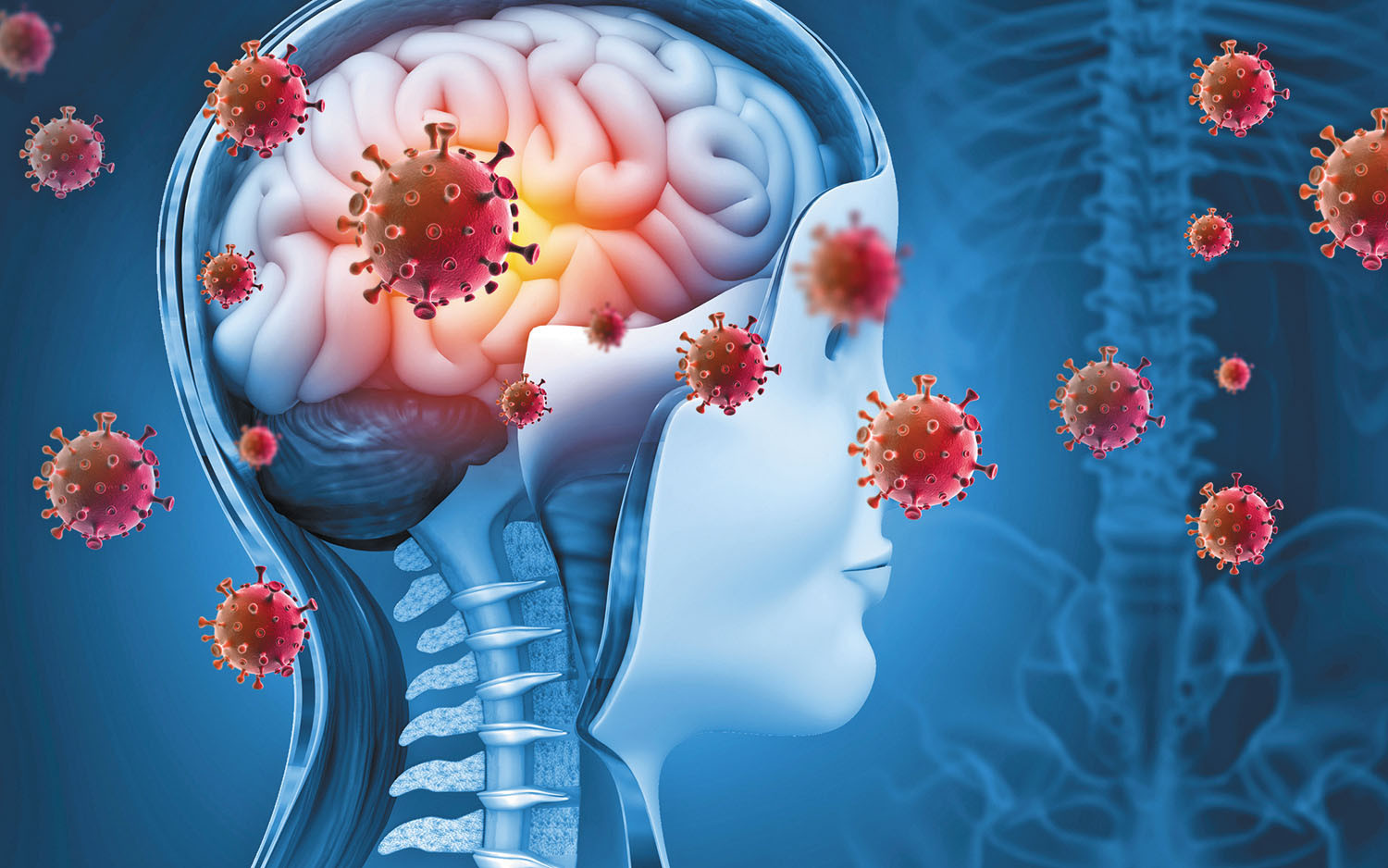
Does COVID-19 damage the brain?
COVID-19 can damage the brain in many ways. Initially, it can cause brain inflammation that causes confusion, difficulty concentrating, and memory problems. COVID also can cause new psychological disorders such as depression or anxiety. It can even cause people to see and hear things that aren't there and to believe things that aren't true. COVID often damages the brain's autonomic nervous system, leading to abnormalities in heart rate and blood pressure. Additionally, the virus that causes COVID can infect and injure the lining of blood vessels and make blood clot more easily, which can lead to strokes and heart attacks.

Anxiety overload
Anxiety often brings physical sensations ranging from dry mouth, nausea, or sweaty hands to more severe symptoms such as dizziness, shortness of breath, or a racing heart. Extreme symptoms can manifest as anxiety attacks and cause people to avoid everyday activities. Cognitive behavioral therapy (CBT) is considered the gold standard treatment for extreme anxiety. One common form of CBT involves exposing people to stressful situations to learn how to cope.

Tips to cope with medical test anxiety
Some people have anxiety about getting medical tests such as blood work, CT scans, or MRIs. When debating whether to skip a medical test due to fear, a person should get as much information as possible about the test or ask for medication to reduce pain or anxiety associated with the test. During a medical test, it may help to do relaxation exercises or focus on something fun planned for later in the day.

Hearing aids: Can they help thinking skills, too?
A 2022 review of dozens of randomized controlled trials and observational studies found that people who used hearing aids or cochlear implants had a 19% lower risk of cognitive decline, compared with people who didn't use the devices.

Try this: Take a seat
Regular meditation can lower blood pressure, reduce stress, and improve concentration. Practicing a simple 10-minute mantra-based meditation and observing mindfulness during everyday moments are ideal ways begin a meditation practice.

What is frontotemporal dementia?
Frontotemporal dementia (FTD) is a brain disorder caused by damage to nerves in certain parts of the brain. It typically affects people in middle age, and is characterized by marked changes in behavior or problems with language.

Want to reduce your risk of dementia? Get your hearing checked today
Dementia occurs more often among older people with higher levels of hearing loss than among those with normal hearing. A new study found that wearing hearing aids reduced the risk for dementia in people who had significant hearing loss.

Bring a fuzzy memory back into focus
Keeping the brain as healthy as possible might help slow the fuzzy thinking that develops with age-related brain changes. The best way to stay sharp is by living a healthy lifestyle: exercising regularly (at least 150 minutes per week of moderate-intensity exercise, like brisk walking), sleeping for seven to nine hours per night, eating a Mediterranean-style diet, managing stress, socializing, and learning new things. Doing crossword puzzles may also help sharpen cognition. So might treatment for underlying health conditions, such as depression or thyroid disease.

A pill-free way to treat anxiety
A 2022 study found that taking a mindfulness-based stress reduction course and meditating daily was about as effective as taking medication for reducing symptoms of anxiety. Both strategies seemed to reduce anxiety by about 30% after eight weeks.

How to identify anxiety disorders
Some degree of anxiety is normal, but people who regularly struggle with anxiety may have an anxiety disorder. Symptoms can be linked with life changes, a medical condition, and specific situations, like a fear of heights, crowds, and social situations. Recognizing the symptoms can help people seek medical care to find the source of their anxiety and adopt appropriate treatment. Treatment might include medications, psychotherapy, or both.
Fast-walking "super-movers" may have sharper brains as they age
Healthy breakfast ideas to support energy and metabolism
Greek yogurt: Health benefits, protein content, and how to choose the best option
Harvard study: Early sweet-drink habits tied to high blood pressure later in life
How to save money on medication
The 5 pillars of longevity: Movement, nutrition, sleep, stress reduction, and social connection
Newly approved pill cuts LDL cholesterol levels by more than half
C-reactive protein: Should healthy people be tested for it?
PRP injection for knee osteoarthritis: Does it work?
Strength training over decades linked to longer life
Free Healthbeat Signup
Get the latest in health news delivered to your inbox!
Sign Up
