

Carb cycling: What is it, and does it work?

Salmonella, E. coli, Cyclospora, and other germs that cause food poisoning: What you need to know

Understanding orthorexia: Have your healthy eating goals gone too far?

Melatonin or magnesium: Can either supplement help you sleep?

Harvard study: Healthier fats linked to longer life after prostate cancer diagnosis

Naturally gluten-free foods

Shingrix shingles vaccine linked with lower heart disease risks

Estrogen-only hormone therapy tied to lower dementia risk

Should you have a hysterectomy?

Stair climbing may significantly lower cardiovascular risks
Macular Degeneration Archive
Articles

Back to the doctor

Can wearing contacts harm your vision?
Millions of people wear contact lenses, and with proper use and care they are very safe. However, sleeping with lenses in that are not specifically intended for extended wear can increase the risk of infection in the eye's cornea.

What are eye floaters?
Eye floaters occur when the thick, jelly-like substance that fills the center of the eye form blobs that block incoming light. They might resemble spots, cobwebs, or strings. The sudden appearance of new floaters should prompt a call to your doctor, but most often they become less bothersome over time.
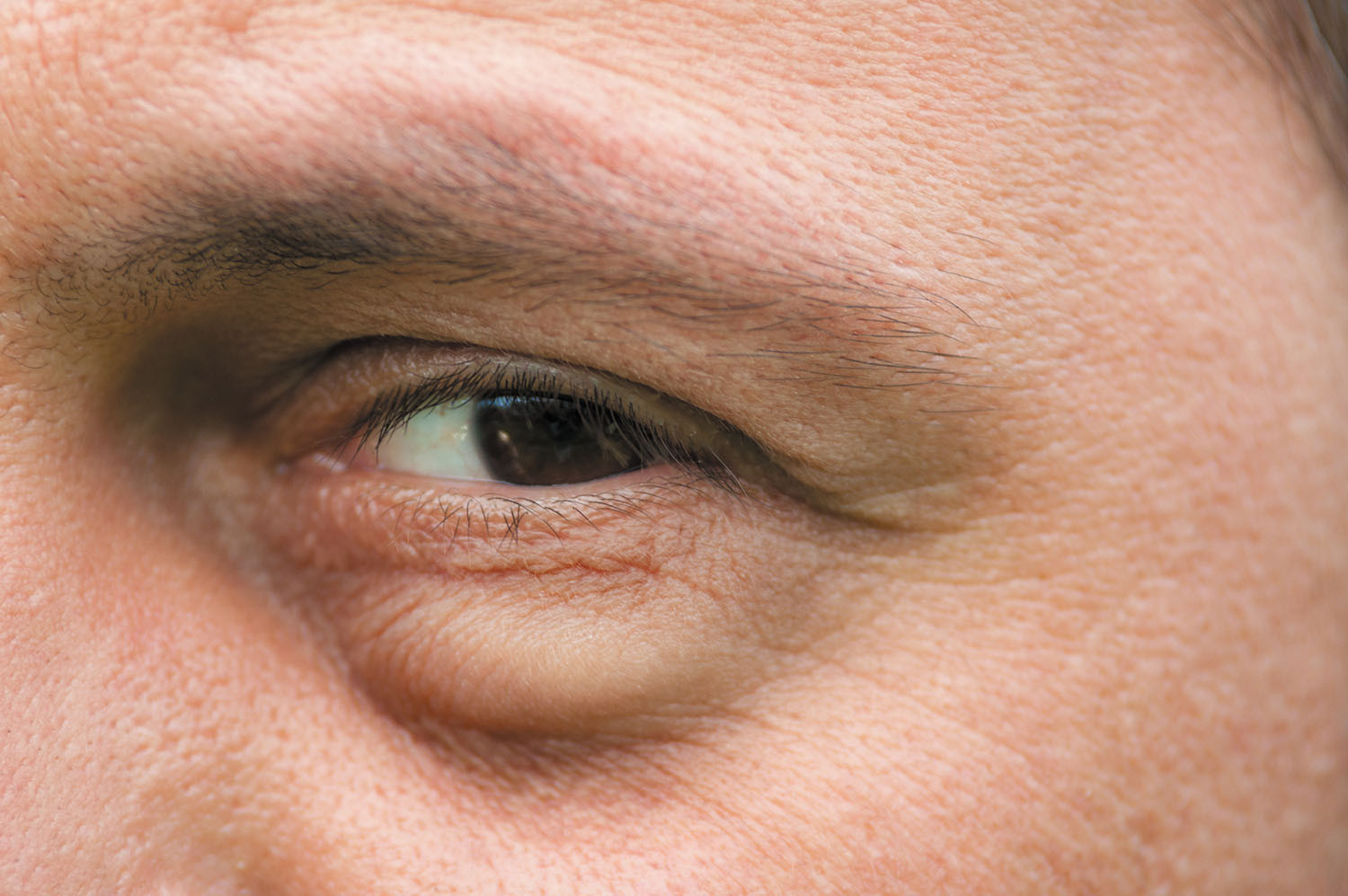
You don't say? Under eye bags and dark circles

Is your vision impaired? Tips to cope
Living with low or impaired vision comes with many challenges. Accessibility features on computer hardware and software, special devices, and adaptations to your home can help make daily life easier when living with a vision impairment.
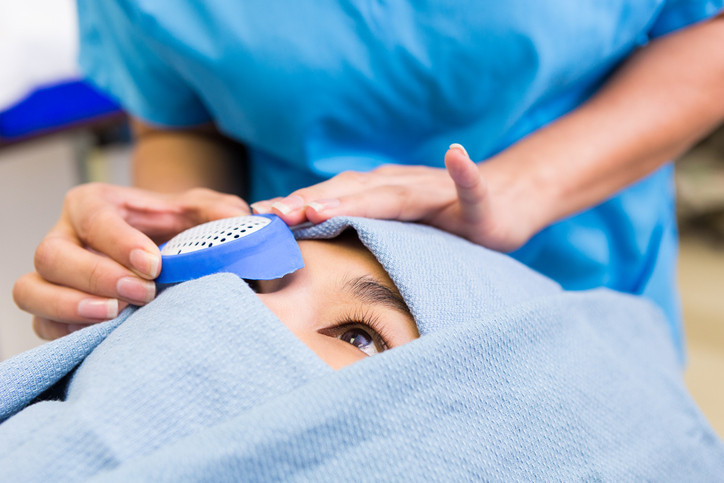
Not yet ready for cataract surgery? Try these tips

Want healthy eyes? What to know at 40 and beyond
While eye problems can affect people of any age, some conditions become more common after age 40. Some are normal, or at least expected; others are of greater concern and will require treatment. Here’s how to keep your eyes healthy and address certain problems.

Glaucoma: What’s new and what do I need to know?
Glaucoma, the second leading cause of permanent blindness in the US, is a group of disorders that damage the optic nerve. It is a complex disease, and while there is currently no cure, diagnosis and prompt treatment can slow or stop progression of vision loss. All adults should have regular eye exams starting at age 40, whether vision is normal or not.

Shingles of the eye can cause lasting vision impairment
There are about one million cases of shingles in the US each year, and up to 20% of those involve nerves in the head, where the infection can affect various parts of the eye. If a case of shingles involves the upper face, forehead, or scalp, it is important to see an ophthalmologist promptly, because complications can lead to eye damage and possible vision impairment.

Age-related macular degeneration: Early detection and timely treatment may help preserve vision
Age-related macular degeneration is the leading cause of blindness in people over 60. In order to preserve vision, it’s important to understand the stages of ARMD, its signs and symptoms, how the disease progresses, how to monitor it, and what treatments are available.
Carb cycling: What is it, and does it work?
Salmonella, E. coli, Cyclospora, and other germs that cause food poisoning: What you need to know
Understanding orthorexia: Have your healthy eating goals gone too far?
Melatonin or magnesium: Can either supplement help you sleep?
Harvard study: Healthier fats linked to longer life after prostate cancer diagnosis
Naturally gluten-free foods
Shingrix shingles vaccine linked with lower heart disease risks
Estrogen-only hormone therapy tied to lower dementia risk
Should you have a hysterectomy?
Stair climbing may significantly lower cardiovascular risks
Free Healthbeat Signup
Get the latest in health news delivered to your inbox!
Sign Up
