

Carb cycling: What is it, and does it work?

Salmonella, E. coli, Cyclospora, and other germs that cause food poisoning: What you need to know

Understanding orthorexia: Have your healthy eating goals gone too far?

Melatonin or magnesium: Can either supplement help you sleep?

Harvard study: Healthier fats linked to longer life after prostate cancer diagnosis

Naturally gluten-free foods

Shingrix shingles vaccine linked with lower heart disease risks

Estrogen-only hormone therapy tied to lower dementia risk

Should you have a hysterectomy?

Stair climbing may significantly lower cardiovascular risks
Macular Degeneration Archive
Articles

When vision problems are actually migraine attacks
Two kinds of migraine involve visual disturbances, such as strange, flickering light patterns. One type is migraine with aura, caused by brain activity. The other is ocular migraine, caused by blood vessel problems in the eye. The attacks may or may not be accompanied by a headache. Drugs called triptans might help soothe migraine with aura. Doctors don't have a way to stop an ocular migraine attack as it's occurring. For many people, the only way to cope is resting and waiting until the symptoms go away.
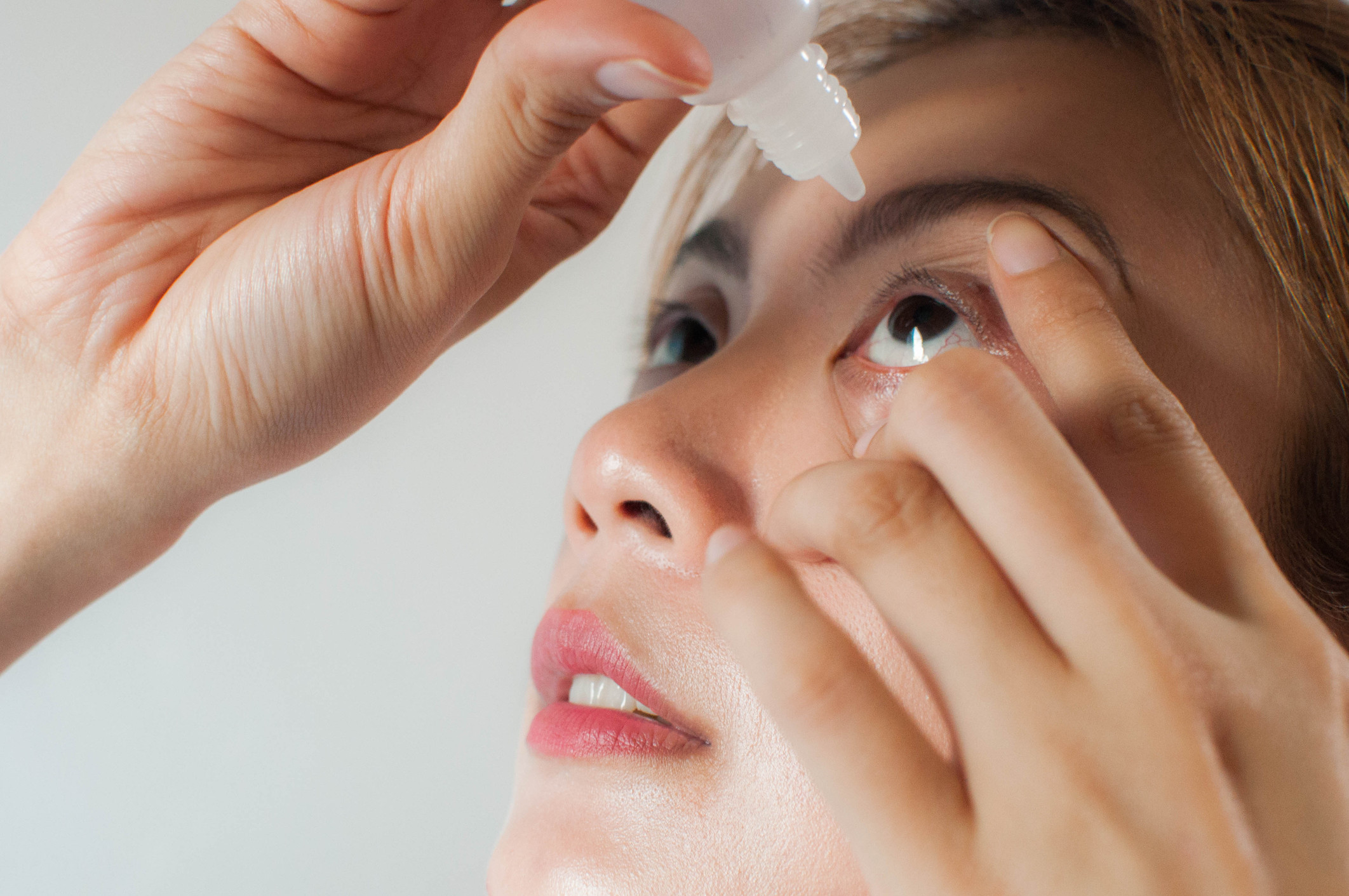
Try this: Soothe those dry eyes
Many home remedies can soothe tired, dry eyes, such as applying warm compresses, taking regular breaks from electronics, staying hydrated, and using artificial tears. People who struggle using eye drops can try over-the-counter devices that make application easier.

Don't overlook blood pressure control when you have glaucoma
Blood pressure problems might contribute to glaucoma, a condition that damages the optic nerves and causes vision loss. If blood pressure is too low, for example, blood flow to the optic nerves might decrease. That could deprive the optic nerves of oxygen and nutrients, resulting in nerve damage. High blood pressure might also reduce blood flow to the optic nerves, by damaging the blood vessels that supply the nerves. If glaucoma gets worse despite treatment, blood pressure should be considered as a factor.

Cataract surgery may lower dementia risk
A 2024 study suggested that older adults who undergo cataract surgery to improve vision may have a lower risk of developing dementia.

Macular degeneration: Will a supplement cocktail slow it down?
Doctors are rethinking their recommendations about a supplement used to help slow dry age-related macular degeneration (AMD). They're advising people to keep taking the pill even when they reach the late stage of the disease. Previously, the supplement-a cocktail of antioxidant nutrients known as the AREDS2 formula-was believed to slow disease progression only in the beginning and intermediate stages of dry AMD. New evidence suggests the supplement might also slow vision loss in late-stage dry AMD.

What really happens in upper eyelid surgery?
Almost anyone who's bothered by the function or appearance of falling upper eyelids is a candidate for a surgery called upper blepharoplasty. It takes place in an outpatient surgery center. During the procedure, a surgeon makes incisions along the upper eyelid's natural folds, removes excess skin (and sometimes underlying fat) from the upper eyelids, and then closes the incisions with stitches. Recovery lasts two to four weeks. The procedure might be covered by insurance if sagging eyelids interfere with vision.


Color-changing eye drops: Are they safe?
Eye drops that claim to change a person's eye color are being promoted online, and the ability to do this may sound tempting. But are these products safe? The answer is a hard no according to the American Academy of Ophthalmology.

How did I break a blood vessel in my eye?
A subconjunctival hemorrhage is a broken blood vessel in the eye. It's usually not serious and resolves on its own within two weeks. People who also experience eye pain or vision changes may have an eye infection and should see a doctor.
Carb cycling: What is it, and does it work?
Salmonella, E. coli, Cyclospora, and other germs that cause food poisoning: What you need to know
Understanding orthorexia: Have your healthy eating goals gone too far?
Melatonin or magnesium: Can either supplement help you sleep?
Harvard study: Healthier fats linked to longer life after prostate cancer diagnosis
Naturally gluten-free foods
Shingrix shingles vaccine linked with lower heart disease risks
Estrogen-only hormone therapy tied to lower dementia risk
Should you have a hysterectomy?
Stair climbing may significantly lower cardiovascular risks
Free Healthbeat Signup
Get the latest in health news delivered to your inbox!
Sign Up
