

Why do I sweat so much?

Walking pneumonia: The "mild" illness that can still pack a punch

Tai chi walking: What is it and does it work?

What causes knee pain: How doctors make a diagnosis
Sacroiliac joint pain: Causes, symptoms, and exercises that help

Where you carry excess weight matters in predicting heart disease risk

Study: At-home colorectal cancer screening may significantly cut colon cancer deaths

Fatty liver disease: Should you be tested?

Even a little exercise linked with lower stroke risk in people with afib

Testosterone therapy without evidence of deficiency may boost heart risk
Libido and sexual performance Archive
Articles

Redefining a healthy sex life
Knowing what to expect as you age can make intimacy more enjoyable for you and your partner.
Image: Jacob Ammentorp Lund/iStock
Your sex life doesn't end once you reach a certain age. Older people continue to enjoy active sex lives well into their 70s and 80s, according to a study in the January 2016 issue of Archives of Sexual Behavior. In fact, 54% of men over age 70 report they are still sexually active. Still, older men need to change their mindset when it comes to this next phase of their sex life.
"Our culture has a narrow perspective of what is considered good or 'normal' sex," says Dr. Sharon Bober, director of the Sexual Health Program at Harvard-affiliated Dana-Farber Cancer Center. "Your body and mind change as you age, which means your sex life does, too."

The major impact of ministrokes
Often referred to as a ministroke , a transient ischemic attack, or TIA, often lasts only minutes, but acts as a warning for a potential full stroke.
Stumble walking across the room? You simply aren't watching your step. Forget a name or can't get out the right words? It's just a fuzzy senior moment. Feeling a little dizzy? You only need to sit down for a second.


New urine test predicts high-grade cancer
Suspicious findings from prostate cancer screening are often followed by a procedure most men would prefer to avoid: a prostate biopsy. But what if biopsies actually could be avoided on the basis of non-invasive test results? Screening tests are moving in that direction, with some intriguing results. One of them, the Prostate Health Index blood test, combines measures of three forms of prostate-specific antigen (PSA) into a score that helps doctors predict if a cancer is likely to progress, with an aim to circumvent biopsies that aren’t necessary.
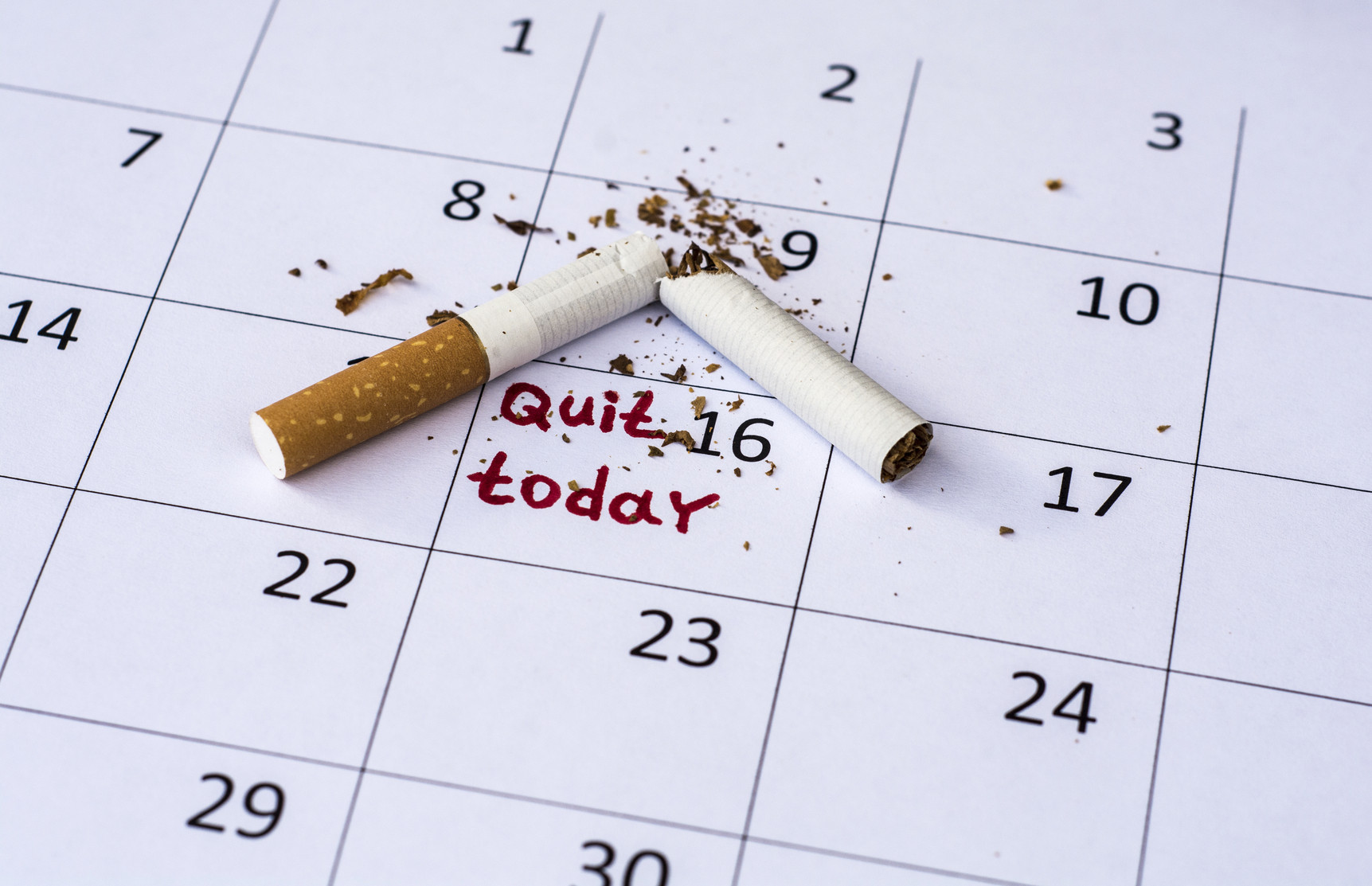
Quitting smoking during the second half of the menstrual cycle may help women kick the habit
Studies have shown that not only do women have a harder time quitting than men, but they also experience more severe health consequences from smoking. However, new research suggests that it may be easier for women to quit smoking during the second half of their menstrual cycle. During this time, the hormone progesterone is higher, and this appears to aid in quitting and avoiding relapse.

Women and sleep: 5 simple steps to a better night's rest
Sleep shortfalls can lead to a range of health problems, from being more likely to catch a cold or gain weight to increased risk of developing heart disease or diabetes.
For optimum health and function, the average adult should get seven to nine hours of sleep every night. But more than 60% of women regularly fall short of that goal.

Unveiling post-traumatic stress disorder
Often considered an ailment of only military veterans, this condition also can affect many older men.
Image: Devoryou/Thinkstock
Mention post-traumatic stress disorder (PTSD), and most people immediately think of military veterans. While this group is highly susceptible to PTSD, research has shown that older adults, specifically men, are also vulnerable.
PTSD is a potentially debilitating condition that can occur in people who have experienced a natural disaster, war, terrorism, serious accident, violent personal assault, or similar traumatic event.

Radiation: Another treatment choice for prostate cancer
Used alone or with hormone therapy, radiation can be a viable option for men at any stage of prostate cancer.
Image: BigStock
Nowadays, men diagnosed with prostate cancer are often given two treatment choices, on opposite ends of the spectrum. First is active surveillance, where you forgo immediate treatment and monitor the cancer's growth. The other is surgery to remove the cancerous prostate.
But an in-between option might be a better choice for men who do not want the anxiety of wait-and-see or the physical hardship of surgery: radiation therapy.
Does taking progesterone reduce miscarriage risk?
A major controlled clinical trial indicates that taking progesterone doesn’t prevent miscarriage in women at elevated risk.

Hormones and your heart
Age-related drops in sex hormone levels sometimes cause undesirable symptoms. But is hormone therapy safe for the heart?
Image: monkeybusinessimages/Thinkstock
A decline in sex hormones is a natural part of growing older. Still, it's only natural to want to feel robust, mentally sharp, and healthy as we age. So it's no surprise that hormone therapy—which has been touted by drug companies as a way to restore youthful vigor, first for women and more recently for men—has generated so much interest.
But hormone therapy has a long, controversial history, particularly with regard to how it may affect the risk for common, chronic health problems. The following is a summary of what we know—and don't know—about the cardiovascular effects of hormone therapy for women and men.
Why do I sweat so much?
Walking pneumonia: The "mild" illness that can still pack a punch
Tai chi walking: What is it and does it work?
What causes knee pain: How doctors make a diagnosis
Sacroiliac joint pain: Causes, symptoms, and exercises that help
Where you carry excess weight matters in predicting heart disease risk
Study: At-home colorectal cancer screening may significantly cut colon cancer deaths
Fatty liver disease: Should you be tested?
Even a little exercise linked with lower stroke risk in people with afib
Testosterone therapy without evidence of deficiency may boost heart risk
Free Healthbeat Signup
Get the latest in health news delivered to your inbox!
Sign Up
