

CoQ10: Should you take this popular supplement if you're on a statin?

Microplastics: A hidden health threat?

Oat vs. dairy milk: Nutrition, benefits, and downsides

What is tempeh? Benefits, nutrition, and how to use it

Healing after food poisoning

Children of centenarians may stay healthier and live longer too, study finds

Light exposure at night may raise risk for heart disease

Whole grains may improve several heart risk factors at once

A lumbar belt may help ease low back pain

Signs of pneumonia: Sometimes vague and unexpected
Libido and sexual performance Archive
Articles
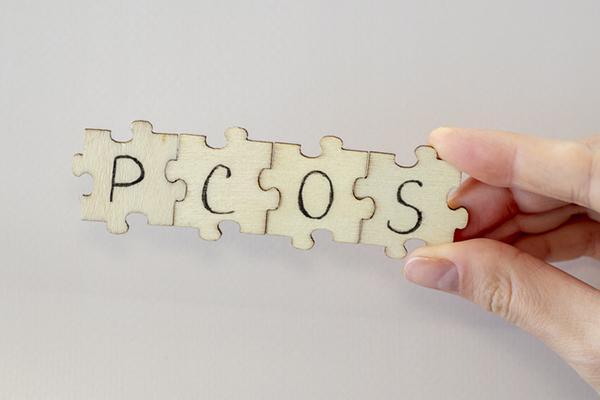
How PMOS (once called PCOS) affects women after menopause
While menopause means the end of irregular periods and heavy bleeding typical in women with polyendocrine metabolic ovarian syndrome (PMOS; formerly polycystic ovary syndrome, or PCOS), they continue to face some of the same symptoms along with greater lifelong health risks.
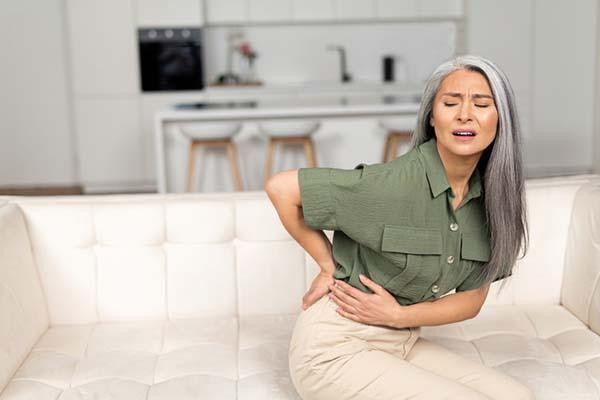
The overlap between back pain and pelvic floor dysfunction
Pelvic floor dysfunction in women is commonly linked to lower back pain. The odds of developing pelvic floor-related back pain increase for women as they get older due to factors such as diminished estrogen and childbirth-related pelvic floor damage. Lower back pain and pelvic floor dysfunction may also have overlapping signs, including urinary leakage or urgency, a feeling of heaviness in the pelvis or vaginal bulging, constipation or bowel issues, painful sex or urination, and pain with prolonged sitting or standing.
Does having a family history of gynecologic cancer automatically mean you should get genetic testing?
A family history of gynecologic cancer doesn’t necessarily mean a woman automatically needs genetic testing to determine her risk. However, women should discuss testing if close relatives have had gynecologic or breast cancers, or if several more-distant relatives have been affected.
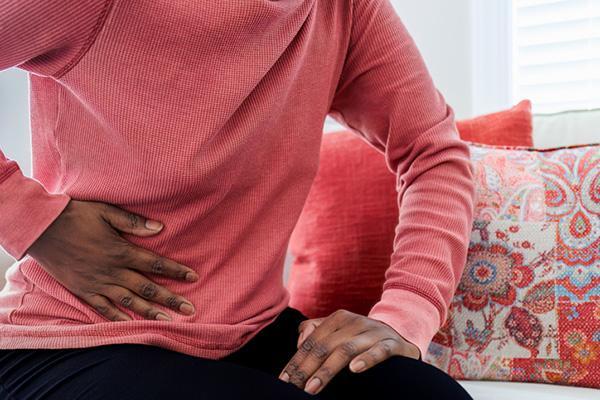
When pelvic pain signals pelvic congestion syndrome
Pelvic congestion syndrome, which is marked by dull, heavy, dragging pelvic pain, has long been an underrecognized cause of chronic pelvic pain. The condition is caused by loose or faulty valves in pelvic veins that enable blood to flow backward and pool, creating varicose veins.
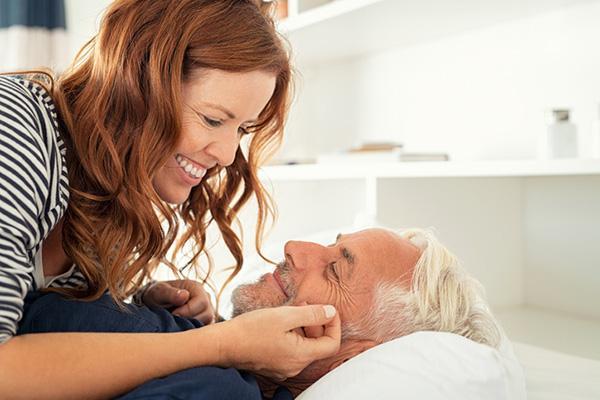
How long should sex last?
Men may expect sex to last a certain length of time based on what they’ve seen in media. Research indicates the average man climaxes five to six minutes after vaginal penetration. Premature ejaculation is loosely defined as ejaculating in under two minutes.
Can estrogen cream help with vaginal atrophy?
Vaginal dryness and discomfort can affect intimacy and daily life. See which options may ease symptoms linked to changing estrogen levels.
Will fibroid bleeding ease after menopause?
Fibroids can change as hormone levels shift, but bleeding patterns and new symptoms after menopause still deserve careful medical attention.
Can Flomax affect men's sexual function?
Flomax can change sexual experiences in ways that may be hard to separate from aging or other prostate medicines taken at the same time.
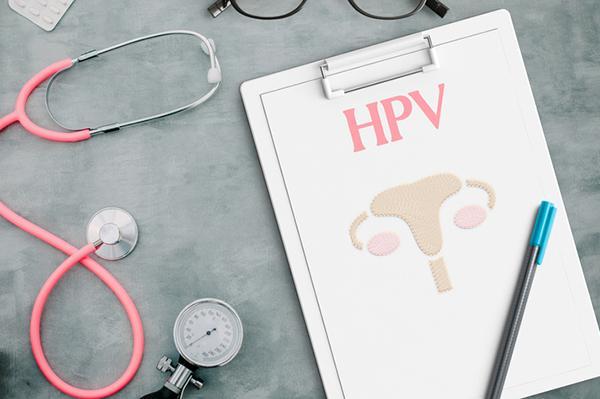
HPV testing at home: A new option for women
In January 2026, the U.S. Department of Health and Human Services issued cervical cancer screening guidelines that, for the first time, include an option for women to perform an at-home human papillomavirus (HPV) test. HPV causes about 95% of cervical cancers.
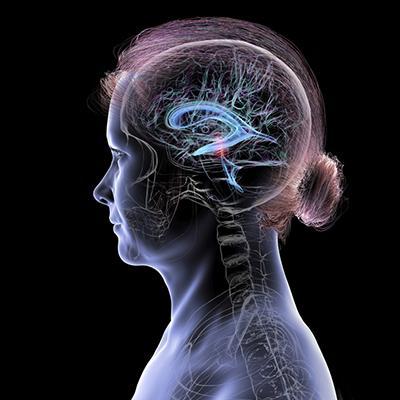
From periods to menopause: How estrogen levels throughout life affect women's brain health
Women’s reproductive history, including first period, pregnancy, and menopause, influences their lifetime exposure to estrogen, which appears to shape brain aging and dementia risk. Menopause is believed to be the strongest reproductive factor, with later menopause tied to lower dementia risk.
CoQ10: Should you take this popular supplement if you're on a statin?
Microplastics: A hidden health threat?
Oat vs. dairy milk: Nutrition, benefits, and downsides
What is tempeh? Benefits, nutrition, and how to use it
Healing after food poisoning
Children of centenarians may stay healthier and live longer too, study finds
Light exposure at night may raise risk for heart disease
Whole grains may improve several heart risk factors at once
A lumbar belt may help ease low back pain
Signs of pneumonia: Sometimes vague and unexpected
Free Healthbeat Signup
Get the latest in health news delivered to your inbox!
Sign Up
