

Even a little exercise linked with lower stroke risk in people with afib

Testosterone therapy without evidence of deficiency may boost heart risk

Weight-loss drug may lower risk of heart attacks and infections

What to eat on the DASH diet

Migraine: How it's diagnosed and what that means

Tricep workouts you can do at home

Mindfulness practices to reduce stress and improve focus

Antihistamines may not offer meaningful relief from eczema symptoms

Overweight and taking blood pressure medications: Study finds it's a trend that's working

FDA approves first mRNA-based flu vaccine
Joint Replacement Archive
Articles
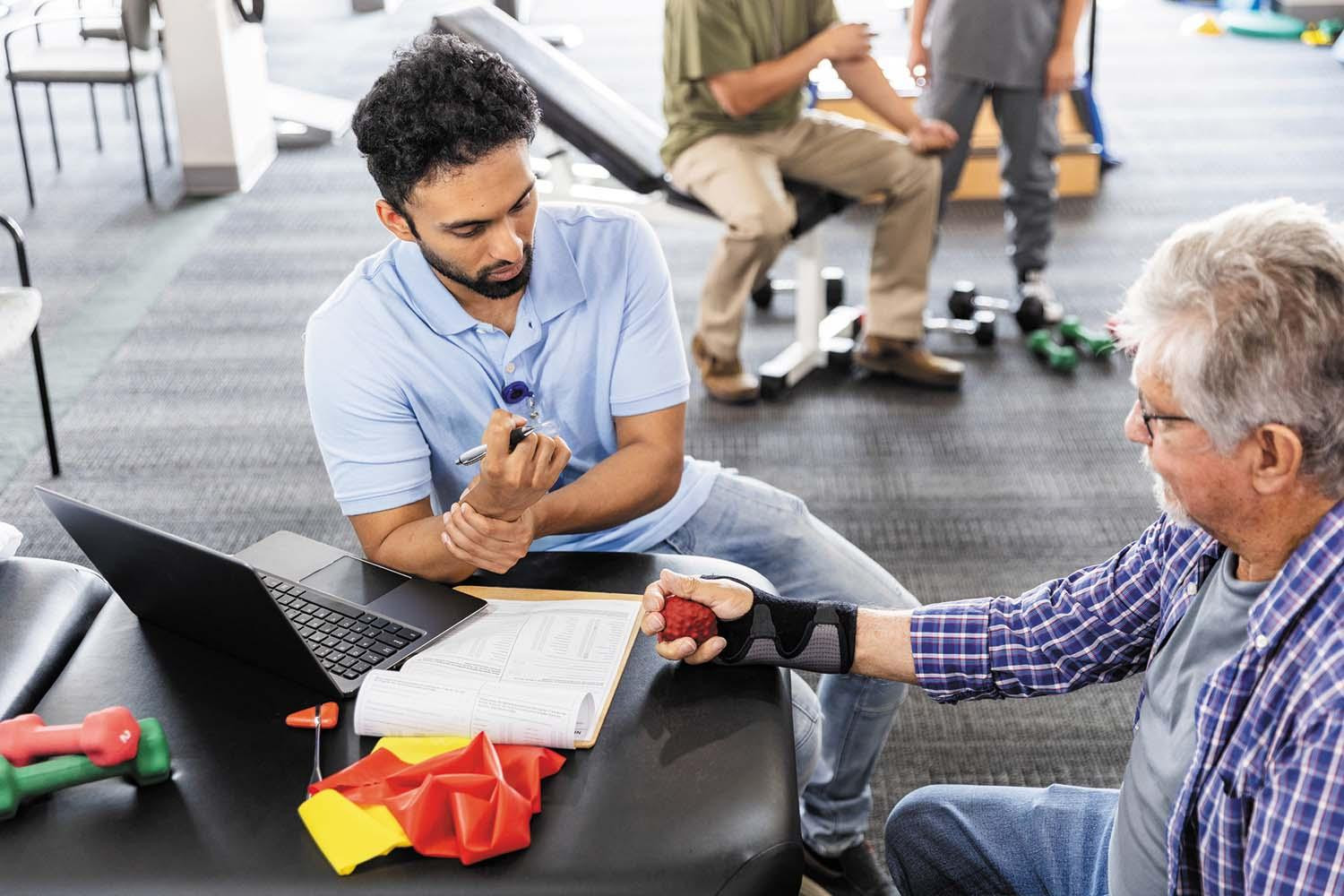
What's involved with hand therapy
Hand therapy is an effective way to overcome lost hand function due to injuries or underlying conditions. A course of therapy typically lasts for six weeks. It involves working with a certified hand therapist (CHT) who can develop and then guide someone through a tailored program of physical and functional exercises. CHTs also can make splints, offer emotional support, and help people learn to manage hand pain and swelling. It's best to start hand therapy before an injured hand has healed completely.
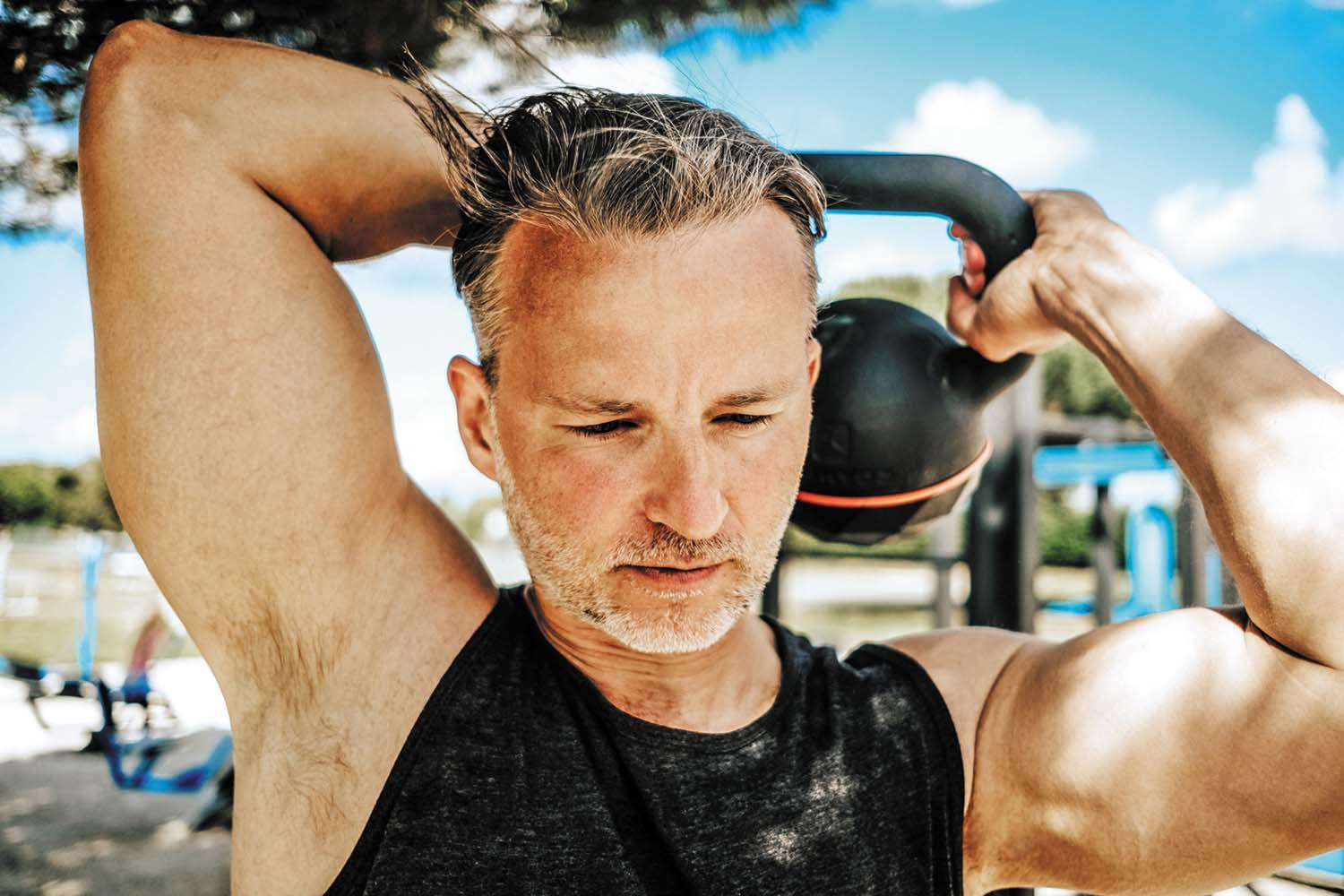
Coming full circle
Shoulder mobility is crucial for safely reaching overhead, carrying heavy items, and engaging in sports such as golf, tennis, and pickleball. Halos are one of the best exercises for improving shoulder mobility, flexibility, and strength. They can be performed with a kettlebell, a dumbbell, or even a heavy book. Halos are done by holding the weight with both hands and rotating it around the head in a circular motion, first in one direction and then the other, as if drawing a halo over the head.

Topical painkillers for sprains and strains
Topical painkillers might be safer than pills to relieve discomfort from muscle strains (like a pulled hamstring) or ligament sprains (like a sprained ankle). This is because topicals target the area of pain. As a result, other parts of the body are exposed to lower levels of medicine. That's important, since some painkillers, such as nonsteroidal anti-inflammatory drugs (NSAIDs), can pose severe risks-such as heart attack and stroke.

How to fill out a "flat" behind
Older men can get "flat" or weak buttocks from spending too much time sitting, which can weaken gluteal muscles and create tight hip flexors. This weakness can place excess demand on other parts of the body, which can lead to pain in the lower back, hips, and knees and increase risk for lower-body injuries. The best way to strengthen a weak backside is to break up prolonged periods of sitting with regular movement and perform exercises that build up gluteal muscles, such as deadlifts, bridges, and step-ups.


Do collagen supplements fulfill their promises?
The protein collagen supports skin, hair, nail, bone, joint, and muscle health. As people age, natural collagen production drops. Some early research suggests collagen supplements offer benefits, but people should ask their doctor about the pros and cons.

The pain of muscle strains
Sore muscle pain that doesn't go away after a few days, becomes severe, or affects mobility could be a sign of a muscle strain, sometimes called a pulled muscle. Mild and moderate muscle strain can be treated with RICE (rest, ice, compression, and elevation) and over-the-counter pain medication as needed. Other treatment methods include massage, stretching, and proper hydration. Severe strains should be checked out as they could be signs of an underlying health problem.

Do you really need bunion surgery?
Surgery is usually warranted when bunion pain becomes disabling, a skin ulcer develops, or it's necessary to prevent a bunion from dislocating the second toe. However, recovery can be long and painful, and there's no guarantee that bunions won't come back. Prior to surgery, it might help to use strategies that reduce bunion pain, such as adding cushioning to shoes, stretching shoes where a bunion rubs against them, getting roomier shoes or shoes made with stretchy fabrics, and using toe spacers.

"Fatty" muscles may point to a higher risk of heart disease
A 2025 studyfound that intermuscular fat-fat stored within muscle tissue-may increase a person's risk of heart disease.

Coping with heart disease and arthritis together
For people who have both heart disease and arthritis, two of the main treatments-exercise and medications-require careful planning and attention. Joint pain makes certain types of exercise difficult, and commonly used drugs for both conditions can have potentially serious interactions.
Even a little exercise linked with lower stroke risk in people with afib
Testosterone therapy without evidence of deficiency may boost heart risk
Weight-loss drug may lower risk of heart attacks and infections
What to eat on the DASH diet
Migraine: How it's diagnosed and what that means
Tricep workouts you can do at home
Mindfulness practices to reduce stress and improve focus
Antihistamines may not offer meaningful relief from eczema symptoms
Overweight and taking blood pressure medications: Study finds it's a trend that's working
FDA approves first mRNA-based flu vaccine
Free Healthbeat Signup
Get the latest in health news delivered to your inbox!
Sign Up
