

Even a little exercise linked with lower stroke risk in people with afib

Testosterone therapy without evidence of deficiency may boost heart risk

Weight-loss drug may lower risk of heart attacks and infections

What to eat on the DASH diet

Migraine: How it's diagnosed and what that means

Tricep workouts you can do at home

Mindfulness practices to reduce stress and improve focus

Antihistamines may not offer meaningful relief from eczema symptoms

Overweight and taking blood pressure medications: Study finds it's a trend that's working

FDA approves first mRNA-based flu vaccine
Joint Replacement Archive
Articles
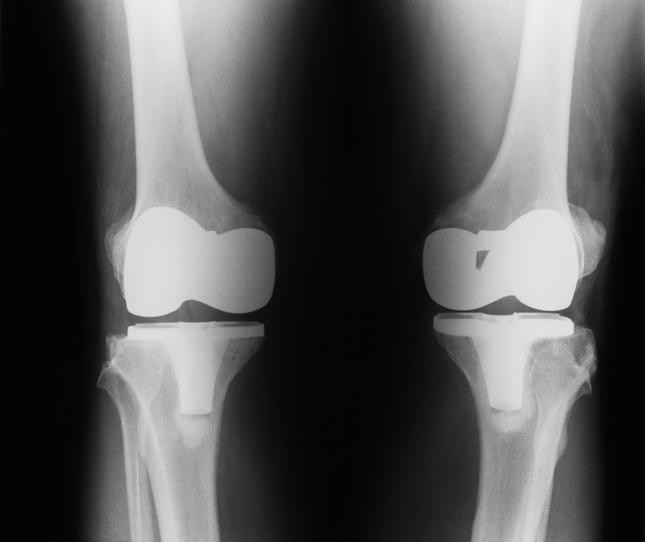
Two bad knees? What to know about bilateral knee replacement
If total knee replacement is needed for both knees and symptoms in both are equally severe, bilateral knee replacement can be done, either in one surgery or in stages. Replacing both knees at once may be a good option for people under 75 with no major medical conditions and support at home.
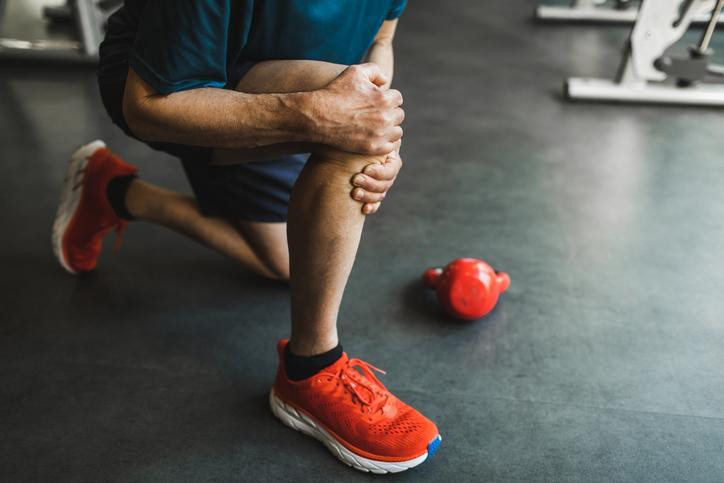
Gait training may relieve pain from knee osteoarthritis
In a 2025 study, people with knee osteoarthritis reported less pain and had less knee cartilage damage after changing their walking gait to reduce pressure on the inner part of the knee.
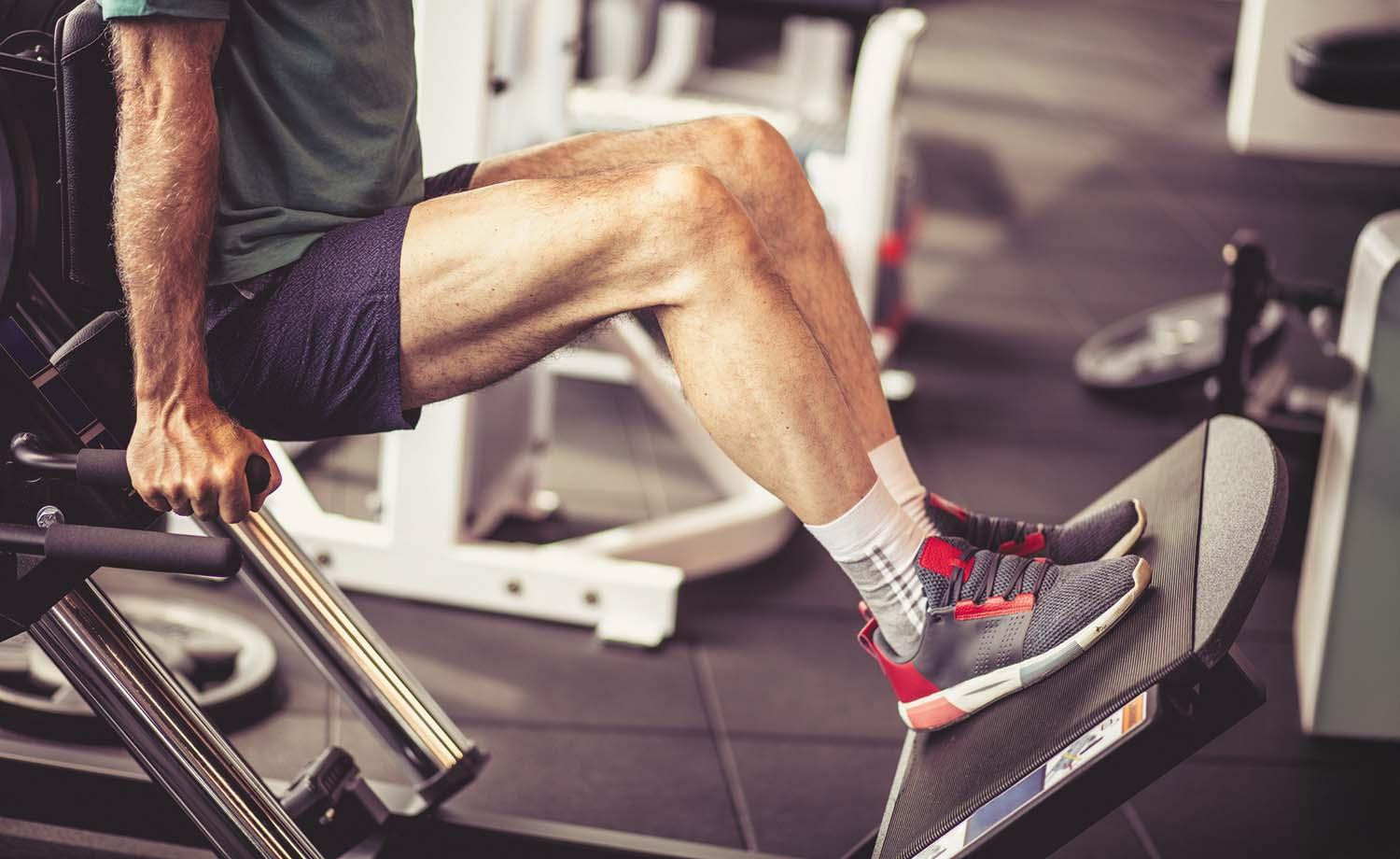
Building stronger legs
Leg strength becomes even more vital as people age, as the legs are essential for routine movements such as going up and down stairs, sitting and rising from chairs, bending over and standing up, and protecting against falls. The main leg muscles are gluteals, quadriceps, hamstrings, and calves. Some exercises that can help strengthen these muscles are bridges, step-ups, and heel raises.
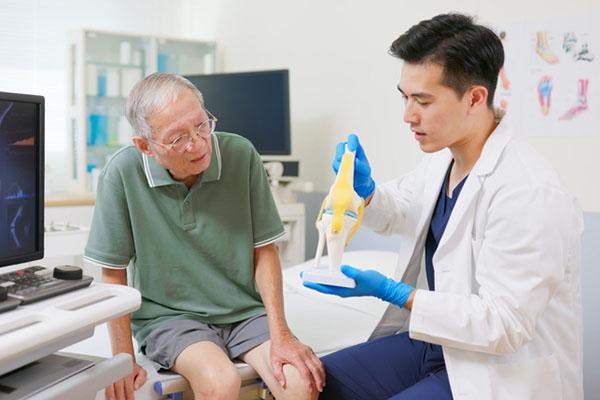
What happens when a joint replacement fails?
Total knee and hip replacements are highly successful procedures that can relieve pain and restore mobility for people with severe arthritis. Occasionally, joint replacement fails, and revision surgery is needed. Reasons for revision include infection, implant loosening, dislocation, and fracture. Warning signs of a problem include persistent pain, swelling, or instability. Revision surgeries are more complex, require longer recovery, and carry higher risks than the original surgery. Experienced surgeons who perform these procedures frequently tend to have the most success.
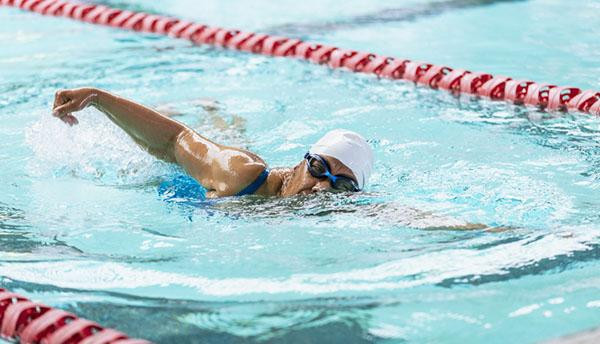
Walking, cycling, and swimming are best exercises for knee osteoarthritis
An analysis of 217 trials found that lower-impact aerobic exercise (walking, cycling, and swimming) is most effective for easing knee osteoarthritis pain and improving function. Other exercise types, such as flexibility, mind-body, neuromotor, and strengthening, also offer benefits.
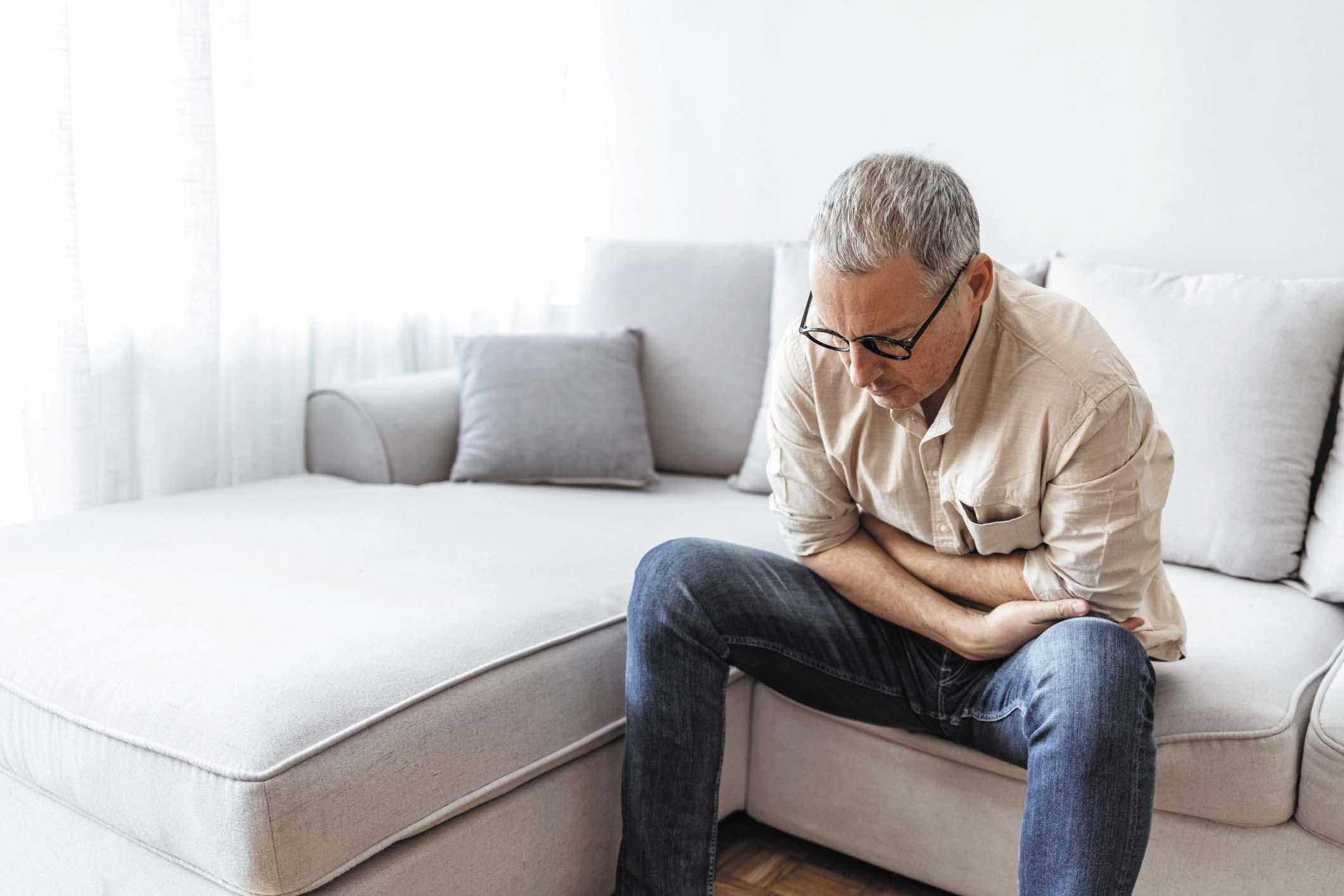
What to do about pain "down there"?
Chronic pelvic pain-medically known as chronic prostatitis / chronic pelvic pain syndrome, or CP/CPPS-is one of the more common and challenging conditions older men face. Because the underlying cause may not be identified, doctors often take a trial-and-error approach to managing the common symptoms like throbbing, aching pain, urination problems, and sexual dysfunction. Options include different types of medication, physiotherapy, shock wave therapy, and aerobic exercise.
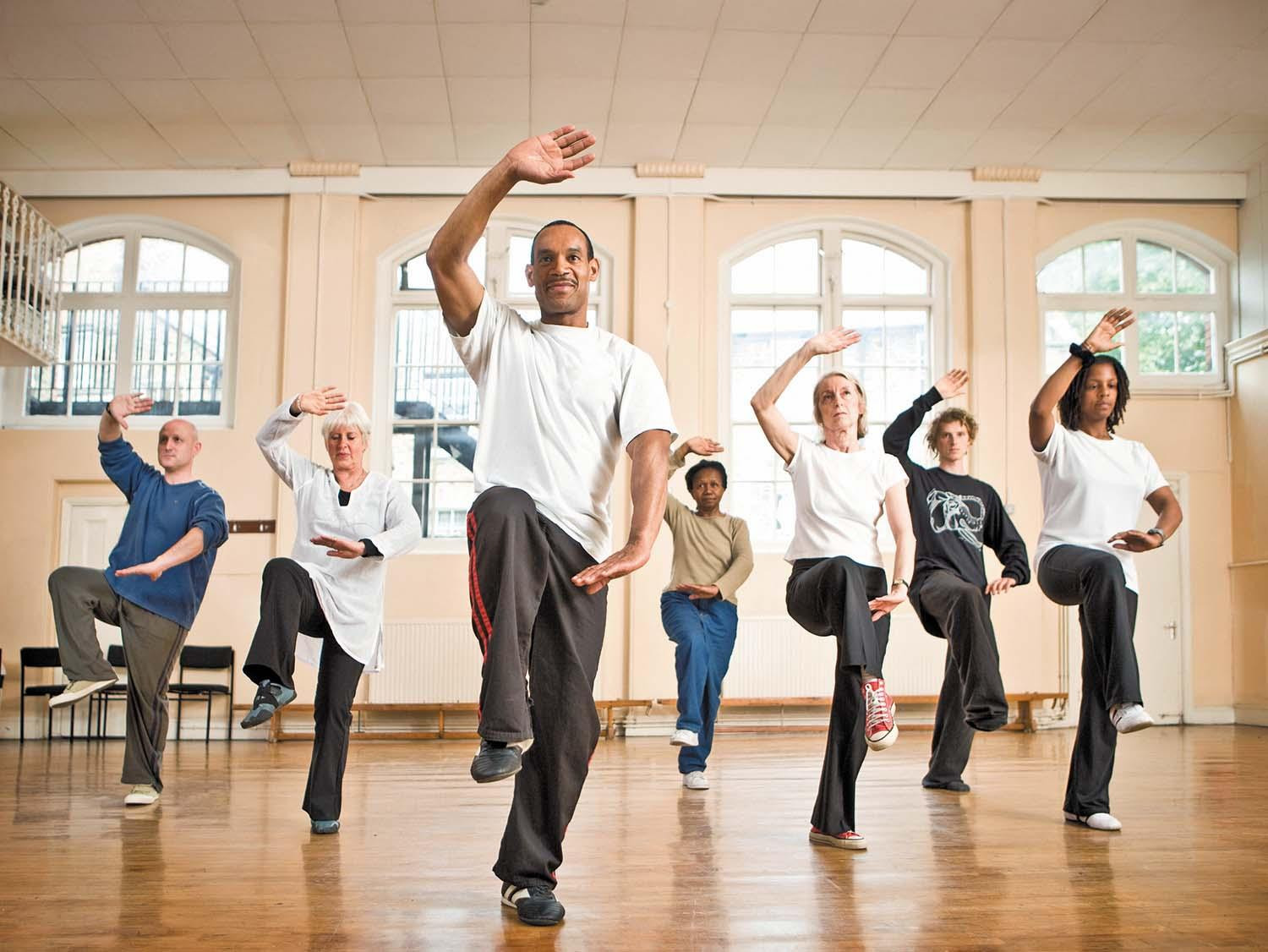
Improve your balance with tai chi this winter
Tai chi uses a series of gentle, flowing motions and slow, deep breathing to exercise the body and calm the mind. It's good for health in many ways, especially for balance, which improves as the body becomes more attuned to changes in movement. Tai chi can be practiced outdoors as well as indoors, which is helpful during winter months. To get started in a tai chi practice, it helps to take a class with an instructor who supervises practitioners' progress. Classes can be found at wellness centers and health clubs.
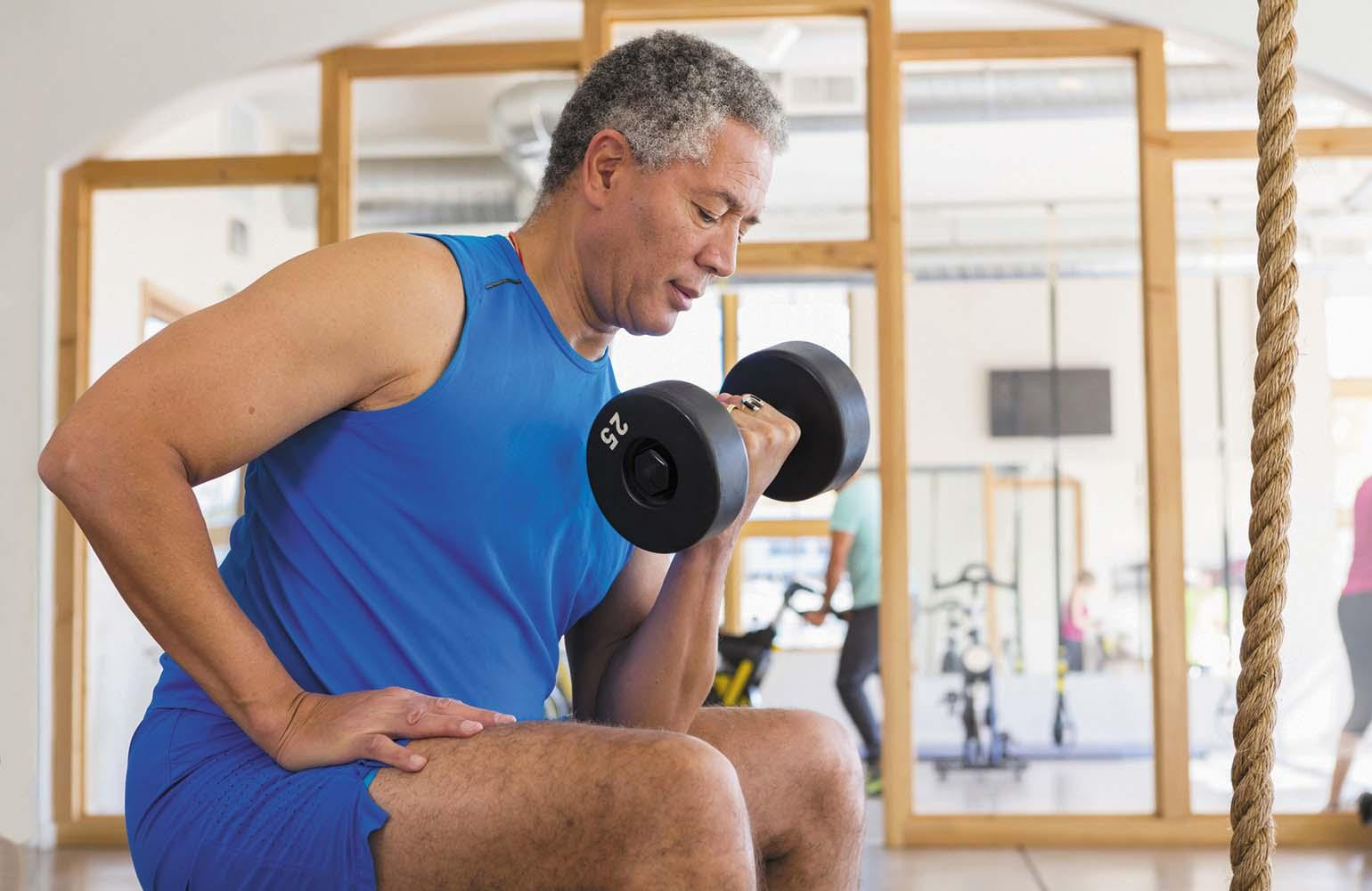
How to get rid of belly fat
Men often carry around extra belly fat and lose muscle mass as they age. An expanding waist could be sign of too much visceral fat, which is stored within the abdominal cavity and surrounds vital organs, including the pancreas, liver, and intestines. Research has shown that visceral fat can increase blood pressure, blood sugar, and total cholesterol levels, and raise the risk of fatty liver disease. Building muscle mass with resistance training and getting aerobic exercise improve muscle metabolism and help reduce visceral fat.
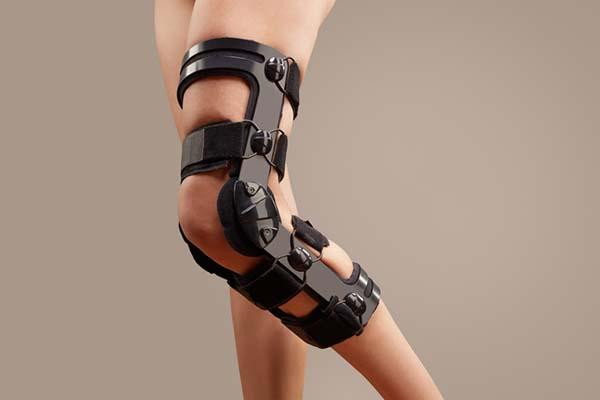
Knee braces, hydrotherapy, and exercise stand out as the best nondrug therapies for knee osteoarthritis
Among 12 physical therapy approaches for knee osteoarthritis compared in a 2025 study, three stood out. Knee braces, followed by hydrotherapy (exercise in water) and exercise (strength training and aerobics), were best for reducing pain and stiffness and improving physical function.

How to return to fitness after total knee replacement
Complete recovery from total knee replacement surgery can take six to 12 months. Working with a physical therapist to regain strength and mobility, most people can return to normal daily function within three months. It's important to remain active once physical therapy concludes. Lower-impact activities, such as walking, hiking, biking, swimming, golfing, strength training, and aerobic activities, are recommended. High-impact activities, such as running, may shorten the life span of the implant.
Even a little exercise linked with lower stroke risk in people with afib
Testosterone therapy without evidence of deficiency may boost heart risk
Weight-loss drug may lower risk of heart attacks and infections
What to eat on the DASH diet
Migraine: How it's diagnosed and what that means
Tricep workouts you can do at home
Mindfulness practices to reduce stress and improve focus
Antihistamines may not offer meaningful relief from eczema symptoms
Overweight and taking blood pressure medications: Study finds it's a trend that's working
FDA approves first mRNA-based flu vaccine
Free Healthbeat Signup
Get the latest in health news delivered to your inbox!
Sign Up
