

Even a little exercise linked with lower stroke risk in people with afib

Testosterone therapy without evidence of deficiency may boost heart risk

Weight-loss drug may lower risk of heart attacks and infections

What to eat on the DASH diet

Migraine: How it's diagnosed and what that means

Tricep workouts you can do at home

Mindfulness practices to reduce stress and improve focus

Antihistamines may not offer meaningful relief from eczema symptoms

Overweight and taking blood pressure medications: Study finds it's a trend that's working

FDA approves first mRNA-based flu vaccine
Joint Replacement Archive
Articles
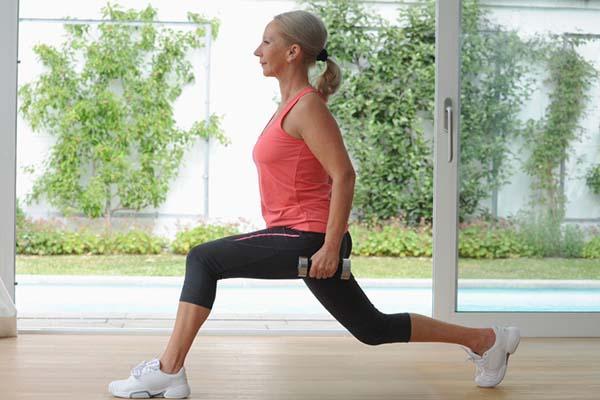
Are lunges safe for older adults?
An exercise routine that targets muscles in the legs and buttocks can help build the strength and stability that are essential for daily functioning. Lunges are an excellent exercise for this. Older adults can do them safely if they have sufficient leg strength to do the exercise correctly. For those who lack the necessary strength, modified versions can be done until it's possible to gradually work up to doing the full lunge. Once that is mastered, more advanced versions include the side lunge and walking lunge. Holding weights can increase the challenge.
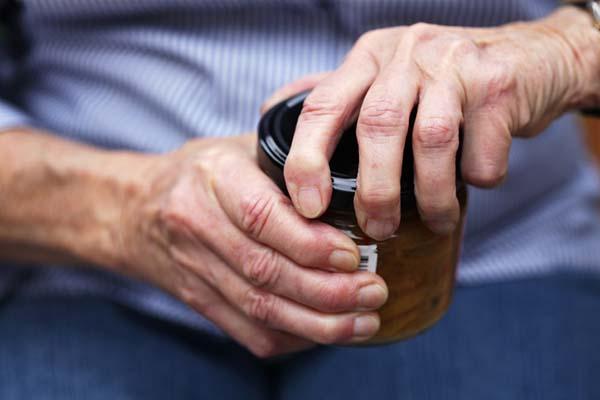
Get a grip: How to manage thumb arthritis
Arthritis in the joint at the base of thumb (the carpometacarpal joint) can cause pain, weakness, and instability. It can seriously impair the ability to function. Thumb arthritis is diagnosed with a physical examination and x-rays. It can be managed with occupational therapy, which includes learning optimal hand positions and exercises and wearing a hand splint. Pain relief options include heat, pain medications, and cortisone injections. If these are inadequate or the condition is severe, surgery is an option.

Surgery may have an edge over injections for carpal tunnel syndrome
A 2025 randomized trial of people with carpal tunnel syndrome found that 57% of those who had surgery as a first-line treatment recovered within 18 months, without additional treatments, compared with 13% of people who received steroid injections instead.
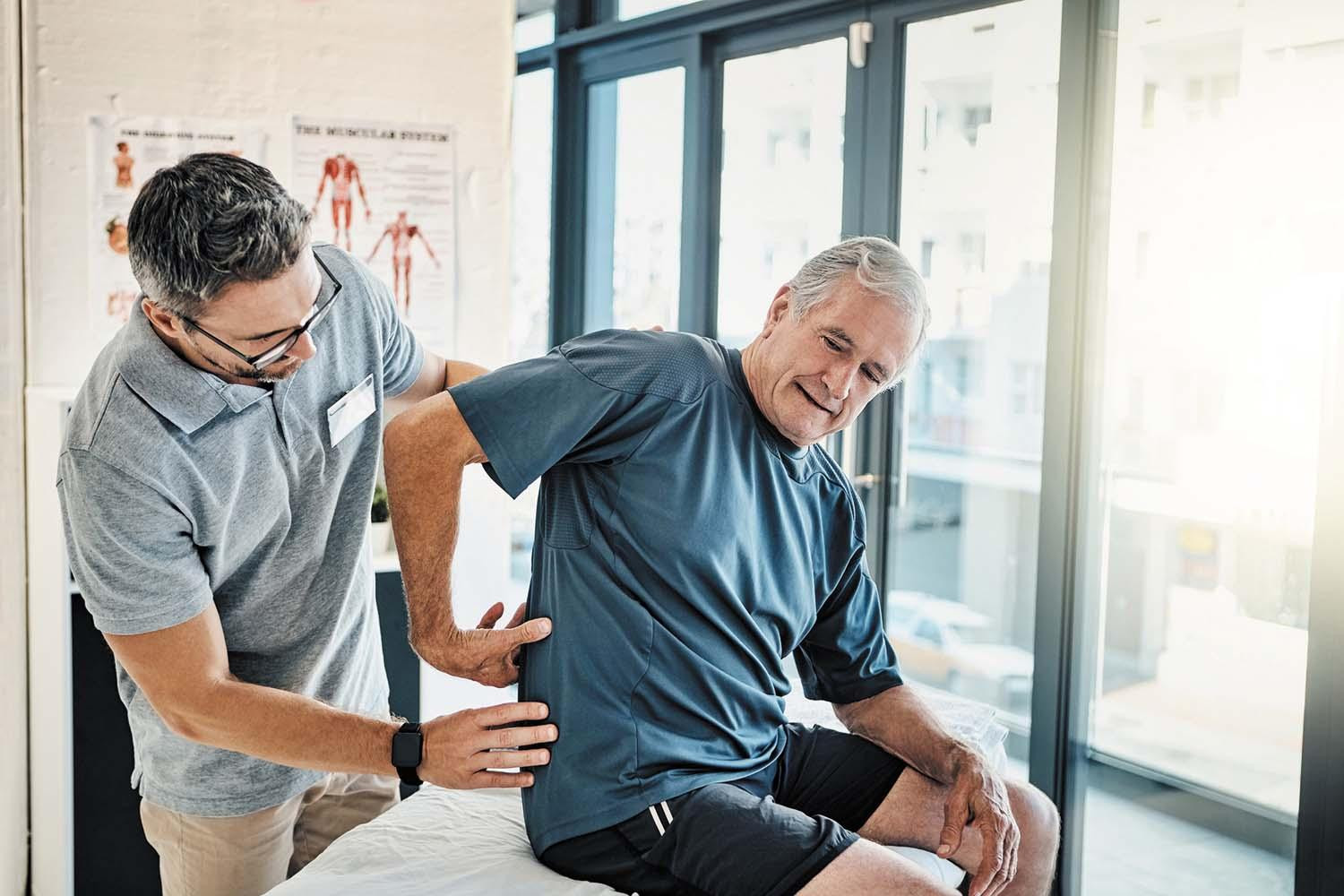
Managing chronic back pain
Chronic back pain (pain that lasts more than 12 weeks) can be more challenging to diagnose and treat compared to short-term pain from an injury. The first-line approach is conservative treatment, such as over-the-counter pain medication, physical therapy, and lifestyle changes. However, sometimes these are not enough, and advanced methods are needed. Depending on the source of chronic back pain, these can include stronger prescription medication, corticosteroid injections, and surgery.

What the sitting-rising test says about your health
The sitting-rising test gauges how easily people can rise to their feet from sitting on the floor, using as little support as possible. A 2025 study suggested the test may help predict someone's longevity. People who scored the lowest were nearly four times more likely to die of natural causes and six times more likely to die of cardiovascular causes than participants who scored a perfect 10 on the test. The movement requires strength, coordination, balance, and flexibility. These components of fitness tend to drop off more precipitously in women as we age.

Is it normal for my joints to click?
There are many normal reasons people's joints make clicking, popping, cracking, or other noises. Joints are also more likely to make noise when people stay still for long periods. Pain or swelling with joint noise should prompt people to see a doctor.

Lessons from women on longevity
Women live longer than men. However, that longevity gap in the United States has increased to 5.8 years, the largest gap since 1996, according to a 2024 study. Why the widening gap? Researchers believe that in many cases, women are better than men at addressing certain health needs that contribute to longer lives, such as losing excess weight, quitting smoking, getting regular skin check-ups, and not ignoring mental health issues.

Why do I feel more clumsy with age?
As people get older, they may get clumsier because of multiple factors such as declining hearing and vision, loss of muscle, balance issues, and chronic health conditions. Addressing these issues can help people avoid injury from falls and other accidents.

What to do if you get "tennis leg"
Tennis leg refers to a strained calf muscle, usually the gastrocnemius. A person can injure the muscle during activity when planting the foot down hard or suddenly changing direction. This might happen during sports, such as tennis, or even while walking or jogging. Mature athletes, who are prone to injury, are vulnerable to the injury. Treatment can involve resting, elevating, and icing the calf muscle; wearing a compression sock; taking painkillers; getting physical therapy; and having surgery.
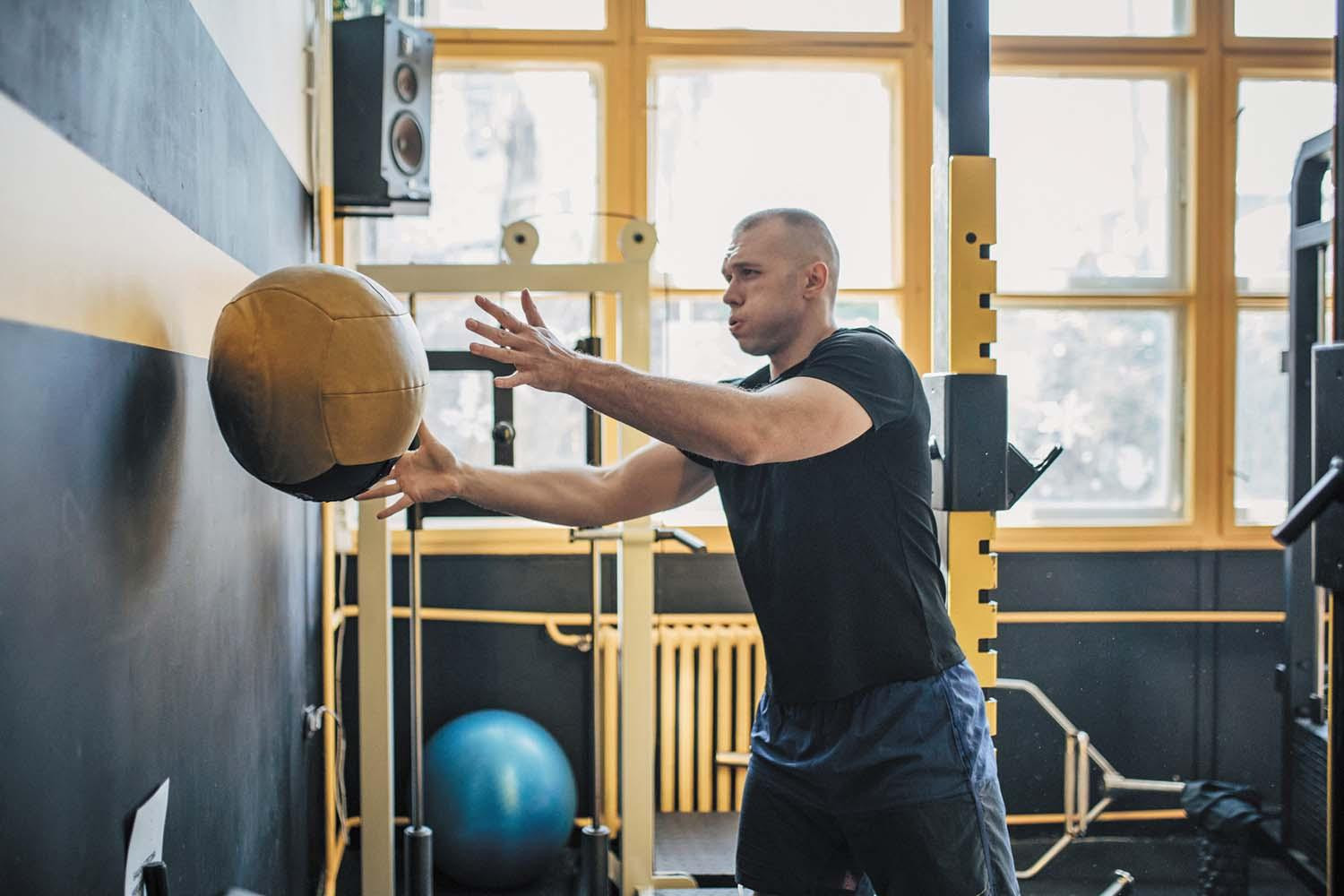
Power play
Power is the ability to generate a large amount of force in a short amount of time. It can help people to properly and safely execute many everyday movements, such as climbing stairs, lifting and carrying heavy objects, twisting, pulling, and throwing. Power also improves movement efficiency and reaction time, helping to prevent injuries from falls. Increasing overall muscle mass with regular strength training and doing plyometric exercises and explosive moves using a medicine ball can help build power.
Even a little exercise linked with lower stroke risk in people with afib
Testosterone therapy without evidence of deficiency may boost heart risk
Weight-loss drug may lower risk of heart attacks and infections
What to eat on the DASH diet
Migraine: How it's diagnosed and what that means
Tricep workouts you can do at home
Mindfulness practices to reduce stress and improve focus
Antihistamines may not offer meaningful relief from eczema symptoms
Overweight and taking blood pressure medications: Study finds it's a trend that's working
FDA approves first mRNA-based flu vaccine
Free Healthbeat Signup
Get the latest in health news delivered to your inbox!
Sign Up
