

Even a little exercise linked with lower stroke risk in people with afib

Testosterone therapy without evidence of deficiency may boost heart risk

Weight-loss drug may lower risk of heart attacks and infections

What to eat on the DASH diet

Migraine: How it's diagnosed and what that means

Tricep workouts you can do at home

Mindfulness practices to reduce stress and improve focus

Antihistamines may not offer meaningful relief from eczema symptoms

Overweight and taking blood pressure medications: Study finds it's a trend that's working

FDA approves first mRNA-based flu vaccine
Joint Replacement Archive
Articles

On call: Causes of cold feet
Common causes of cold feet include clogged arteries in the legs (peripheral artery disease), low body fat, Raynaud's syndrome, and nerve damage.

Is it a heart attack?
The first-ever guidelines to diagnose chest pain document the range of possible heart attack symptoms. They include a sense of pressure, tightness, squeezing, or heaviness in the chest but also in the shoulders, arms, neck, back, upper abdomen, or jaw. The report also provides a road map to help doctors assess chest pain with selective use of the latest available tests. Chest discomfort can also result from other conditions that affect the heart (such as pericarditis) and nearby organs. These include acid reflux, muscle or joint issues, and lung problems.

Can platelet-rich plasma injections heal your joints?
Platelet-rich plasma injections are used to reduce pain and speed healing for a number of common problems that affect the tendons, muscles, and joints, ranging from arthritis to shoulder pain. But a growing body of research shows that they may not be effective for some conditions, including knee osteoarthritis, ankle osteoarthritis, and Achilles tendinitis. There is some evidence that it may be effective for lateral epicondylitis (tennis elbow). People should consider whether there is a better option before undergoing PRP injections.

Do glucosamine and chondroitin supplements actually work for arthritis?
Glucosamine and chondroitin supplements, taken individually or in combination, are touted as a way to relieve joint pain from arthritis –– and even to prevent it in the first place. Are they effective?

Protecting the skin from the sun doesn't increase fracture risk
Protecting the skin from the sun doesn't increase the risk of vitamin D deficiency or bone fracture, according to a recent study.

The facts on fat and heart health
Dietary fat can both help and hurt heart health, depending on the source. Eating adequate amounts of the "good" fats—monounsaturated and polyunsaturated—can help reduce cholesterol levels and lower blood pressure. "Bad" saturated fat found in many processed foods can have the opposite effect. Following heart-healthy diets like the Mediterranean and DASH diets and making small substitutions in daily eating habits can ensure people get the proper amounts of good fats.

Two common shoulder injuries and how to avoid them
Two categories of shoulder injuries are particularly common among older adults: rotator cuff injuries and shoulder bone fractures. The key to warding off shoulder injuries is to keep the joints healthy, strong, and flexible. Many of the strategies to do this are the same ones that will reduce fall or fracture risk. Examples include weight-bearing activity, stretching, improving balance, and eating a healthy diet. Other strategies include strengthening the shoulder muscles, stretching the shoulders right before activity that requires shoulder power, and removing fall hazards from the home.

The most common exercise among people with arthritis
U.S. adults who report being physically active say their most frequent forms of exercise are walking, gardening, and weight lifting, according to a study published online Oct. 8, 2021, by the CDC's Morbidity and Mortality Weekly Report.

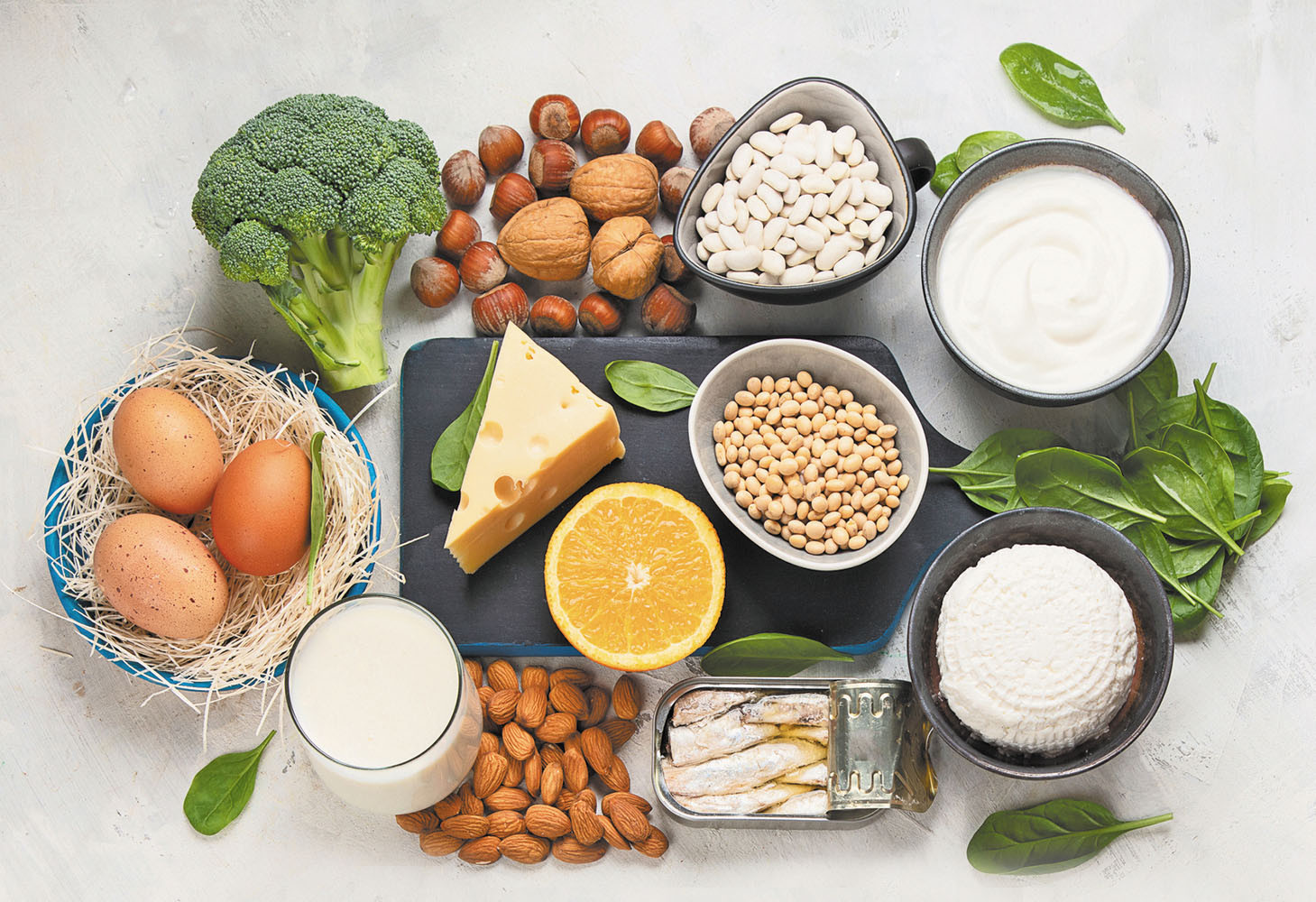
Essential nutrients your body needs for building bone
Older adults must pay special attention to their intakes of calcium, vitamin D, and protein. These important nutrients are crucial for maintaining bone health. Doctors say it's probably best to take a supplement to get enough vitamin D. Calcium and protein are best when they come from foods, such as canned salmon with bones, sardines, beans, dairy products (cheese, yogurt, cottage cheese, milk), leafy greens, or nuts. Other important nutrients for bone health, such as magnesium, phosphorous, and potassium, can be obtained by simply eating a diet rich in fruits, vegetables, legumes, nuts, seeds, and lean proteins.
Even a little exercise linked with lower stroke risk in people with afib
Testosterone therapy without evidence of deficiency may boost heart risk
Weight-loss drug may lower risk of heart attacks and infections
What to eat on the DASH diet
Migraine: How it's diagnosed and what that means
Tricep workouts you can do at home
Mindfulness practices to reduce stress and improve focus
Antihistamines may not offer meaningful relief from eczema symptoms
Overweight and taking blood pressure medications: Study finds it's a trend that's working
FDA approves first mRNA-based flu vaccine
Free Healthbeat Signup
Get the latest in health news delivered to your inbox!
Sign Up
