

Even a little exercise linked with lower stroke risk in people with afib

Testosterone therapy without evidence of deficiency may boost heart risk

Weight-loss drug may lower risk of heart attacks and infections

What to eat on the DASH diet

Migraine: How it's diagnosed and what that means

Tricep workouts you can do at home

Mindfulness practices to reduce stress and improve focus

Antihistamines may not offer meaningful relief from eczema symptoms

Overweight and taking blood pressure medications: Study finds it's a trend that's working

FDA approves first mRNA-based flu vaccine
Integrative therapies Archive
Articles

Heartburn medication update
New information may affect your approach to treatment.
Millions of people turn to prescription and over-the-counter medications to cope with heartburn from gastroesophageal reflux disease or other stomach conditions. But navigating the risks of heartburn remedies can leave a sour taste in your mouth, since some have been tied to health concerns. Here's what you need to know about two mainstays of treatment, and how the latest developments may affect you.
H2 blockers
Histamine2-receptor antagonists, better known as H2 blockers — such as famotidine (Pepcid) and cimetidine (Tagamet) — are available over the counter or by prescription. They block a chemical that signals the stomach to produce acid, and are the go-to drugs when an antacid like calcium carbonate (Tums) or aluminum hydroxide (Maalox) isn't strong enough.

Don’t stop good habits when taking heart drugs
In the journals
Cholesterol-lowering statins and blood pressure drugs can improve heart health, but you still need to follow heart-healthy habits. That's the conclusion of a study published online Feb. 5, 2020, by the Journal of the American Heart Association, which found many people forgo healthy habits after they begin taking these medications.
Researchers in Finland identified 41,225 people who were free of cardiovascular disease. They collected such health data as body mass index, physical activity, alcohol intake, smoking status, and whether the people took statins or blood pressure drugs. Updated information was gathered from surveys every four years over a 14-year period.

Take control of rising cholesterol at menopause
Here's what the numbers mean — and strategies to lower your cholesterol if it's too high.
For some women who've had normal cholesterol readings all their lives, that changes at menopause. "Going through menopause often results in lipid and cholesterol changes for the worse," says Dr. Samia Mora, an associate professor of medicine at Harvard Medical School and a specialist in cardiovascular medicine the Brigham and Women's Hospital. Drops in the female hormone, estrogen, are associated with a rise in total cholesterol levels due to higher amounts of low-density lipoprotein (LDL), the "bad" cholesterol, and another blood lipid (fat) known as triglyceride. Over time this can raise heart risks, which is a reason for concern, as cardiovascular disease is the No. 1 cause of death in postmenopausal women, says Dr. Mora.
"So, it's especially important to track the numbers in perimenopause and the early years after menopause, as LDL cholesterol and total cholesterol tend to increase," she says.

Grandparents and parents: Beware of pill dangers
Research we're watching
If you have children in your house — even for a few hours at a time — be certain to store your medications safely. A study in the January 27 issue of Pediatrics found that more than half of the time, accidental poisonings with prescription medication occurred because adults had removed the medicine from a child-resistant container before the child discovered it.
CDC researchers examined calls made between February and September 2017 to five poison control centers to determine how these accidents most often occur. Most of the time, the pills that children encountered belonged to a parent, but in more than half of cases involving particularly harmful medication, it belonged to a grandparent. These medications included drugs to treat diabetes or cardiac conditions. Child-resistant packaging can help protect children, but it's often inconvenient for adults. Study authors found that most often when poisonings occurred, it was because adults put the pills into pill organizers that were not child-safe, stored them in small plastic bags, or left them out on a surface that a child was able to reach. In other cases, a child found a pill that was dropped on the floor.

Behavioral therapy can relieve overactive bladder symptoms
In the journals
Men often rely on drugs to manage overactive bladder symptoms, such as frequent urination, urgency, incontinence, and nocturia (having to use the bathroom at night). However, a study published online Jan. 13, 2020, by JAMA Internal Medicine suggests that adding behavioral therapy may lead to better results.
Scientists recruited more than 200 men (average age 64) with overactive bladder symptoms and divided them randomly into three groups. One group received only drug therapy. One received only behavioral therapy, which consisted of learning pelvic floor exercises and relaxation techniques to help suppress urges and prevent urine loss. The third group had both behavioral and drug therapy.

7 common causes of forgetfulness
Memory slips are aggravating, frustrating, and sometimes worrisome. When they happen more than they should, they can trigger fears of looming dementia or Alzheimer’s disease. But there are some treatable causes of forgetfulness.

Rethinking low-dose aspirin
New studies shed light on the role of aspirin for people without a previous heart attack or stroke.
Image: © dszc/Getty Images
It costs just pennies per pill, doesn't require a prescription, and may be lifesaving for some people. But daily low-dose aspirin doesn't make sense for everyone. Now, three major studies that examined the benefits and risks of this widely used drug may alter the advice about who should take aspirin.
"Aspirin remains a cornerstone of treatment after a heart attack or stroke. But the question of whether people with a low to moderate risk of heart disease should take aspirin is a really important one," says Dr. Christopher Cannon, a cardiologist at Brigham and Women's Hospital and professor of medicine at Harvard Medical School. Tens of millions of people in the United States fall into that low-to-moderate-risk category. But until now, there weren't many large trials that included those people, he notes.

What new opioid laws mean for pain relief
Dozens of states are cracking down on the amount of opioids doctors can prescribe.
Image: © Darwin Brandis/Getty Images
Overdoses of powerful painkillers called opioids kill more than 115 people per day in the United States. More than 42,000 people died from opioids in 2016, five times more than in 1999. The reason? Since several of these powerful painkillers became available in pill form several decades ago, doctors have been prescribing more than patients need. "It is estimated that a large part of leftover opioids are diverted to the street, either deliberately or through theft," says Dr. Edgar Ross, senior clinician at the Pain Management Center at Harvard-affiliated Brigham and Women's Hospital.
The misuse of opioids is a risk many states are no longer willing to take. The rules limit the amounts that medical professionals can prescribe for temporary (acute) pain from surgery, injury, or illness.

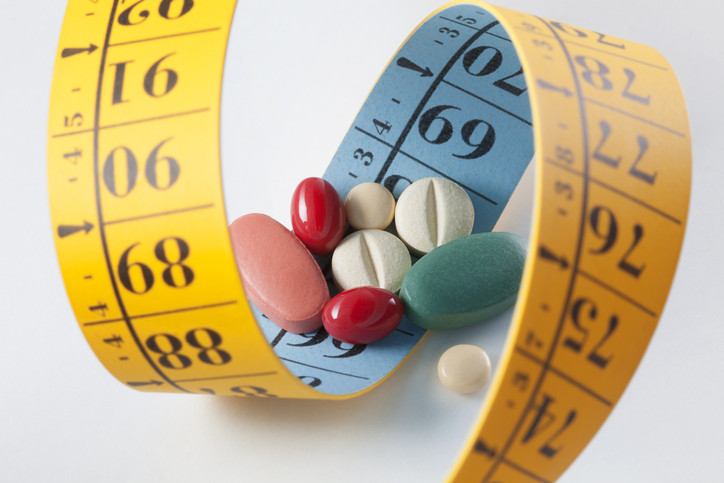
Weight-loss drug Belviq recalled
Findings from a follow-up on people taking the weight-loss medication Belviq showed a slight increase in the occurrence of cancers, resulting in the drug being withdrawn from the market at the request of the FDA.
Even a little exercise linked with lower stroke risk in people with afib
Testosterone therapy without evidence of deficiency may boost heart risk
Weight-loss drug may lower risk of heart attacks and infections
What to eat on the DASH diet
Migraine: How it's diagnosed and what that means
Tricep workouts you can do at home
Mindfulness practices to reduce stress and improve focus
Antihistamines may not offer meaningful relief from eczema symptoms
Overweight and taking blood pressure medications: Study finds it's a trend that's working
FDA approves first mRNA-based flu vaccine
Free Healthbeat Signup
Get the latest in health news delivered to your inbox!
Sign Up
