

Even a little exercise linked with lower stroke risk in people with afib

Testosterone therapy without evidence of deficiency may boost heart risk

Weight-loss drug may lower risk of heart attacks and infections

What to eat on the DASH diet

Migraine: How it's diagnosed and what that means

Tricep workouts you can do at home

Mindfulness practices to reduce stress and improve focus

Antihistamines may not offer meaningful relief from eczema symptoms

Overweight and taking blood pressure medications: Study finds it's a trend that's working

FDA approves first mRNA-based flu vaccine
Integrative therapies Archive
Articles

Chronic pain linked to higher risk of heart attack and stroke
Research we're watching
People with chronic pain may be more likely to have a heart attack or stroke than those without chronic pain, according to a study published online May 7, 2020, by the journal Pain Medicine.
From 2001 to 2005, researchers identified 17,614 Taiwanese people who had used pain relievers for at least three months. The most common causes of pain were spinal disorders, arthritis, and headaches; the pain relievers included both over-the-counter drugs and prescription opioids. For the comparison group, researchers used 35,228 people without chronic pain who were matched by age and sex to those in the first group.

Probiotic may help prevent recurrences of bacterial vaginosis
Research we're watching
If you've ever experienced a bout of bacterial vaginosis, a vaginal infection that affects anywhere from 15% to 50% of reproductive-age women, a study published May 14, 2020, in The New England Journal of Medicine may be of interest. It found that women who inserted a type of probiotic called Lactobacillus crispatus (Lactin-V) in their vagina twice per week were less likely to have a recurrence of bacterial vaginosis than women who did not. Experts don't fully understand what causes bacterial vaginosis, but it is associated with an overgrowth of some microorganisms (such as Gardnerella vaginalis or Prevotella), which outnumber healthier types of vaginal bacteria, including a common one called Lactobacillus. In many cases, the condition will recur after treatment. All of the 228 women in the study were initially treated for bacterial vaginosis with the standard topical antibiotic metronidazole (MetroGel Vaginal). But after that treatment, 152 of the women were assigned to use Lactin-V for an additional 11 weeks. The remainder of the group got a placebo treatment. Researchers found that only 30% of the Lactin-V group had a recurrence of bacterial vaginosis by week 12, compared with 45% of the placebo group.
Image: © spukkato/Getty Images

How to get your prescriptions when you can’t leave home
Home delivery is just a few clicks away.
Lots of things can keep you from picking up a prescription at your local pharmacy. You may be stuck at home because of disability, illness, social distancing, or a lack of transportation. But the longer you go without your medication, the more your health is at risk. That's why it's important to know how to use home delivery services that bring prescriptions right to your door.
Local pharmacy delivery
Just like in the old days, some local pharmacies still send their own staffers to deliver prescriptions to their customers. The pharmacies are usually small and independently owned. You might expect that kind of service from them.

The mental side of cardiac rehab
If you have experienced a heart attack or undergone a heart procedure, don't neglect your mental health during recovery.
Recovery from a heart attack, heart failure, angioplasty, or heart surgery — what doctors call heart events — can be stressful. Depending on your condition, it may also involve cardiac rehabilitation. This medically supervised program focuses on exercise, diet, and lifestyle changes. While the primary focus is to help you physically, you also need to address your mental and emotional health.
"It's normal to have some anxiety and stress after a heart attack or heart surgery," says Dr. Christopher Celano, assistant professor of psychiatry at Harvard-affiliated Massachusetts General Hospital. "But how long these feelings linger, and whether they are also associated with symptoms of depression, can affect your rehab recovery success and potentially increase your risk of future problems."

Another drug recall due to cancer-causing ingredients
News briefs
First it was certain blood pressure and heartburn drugs; now some medications used to treat type 2 diabetes are being recalled because of cancer concerns. The FDA warned in late May and early June 2020 that some lots of extended-release metformin may contain unacceptable levels of N-nitrosodimethylamine (NDMA), a possible cancer-causing chemical. At least five manufacturers are now issuing voluntary recalls of the medications. But if you take extended-release metformin, don't just stop on your own. Not all extended-release metformin products are affected by the voluntary recalls, and stopping any medication that controls blood sugar can be very dangerous. The FDA advises that you check in with your doctor or pharmacist. Ask if your medication is affected by the recall; if so, ask if you should switch to another version of the drug.
Image: fizkes/Getty Images


Too many pain pills after surgery: When good intentions go awry
A reasonable and well-intentioned effort to reduce and relieve pain can inadvertently lead to a potentially life-threatening addiction, but there are some surprisingly simple ways to avoid such scenarios.

Will there be a COVID-19 vaccine?
Ask the doctor
Q. Will we have a vaccine to prevent COVID-19 and, if so, when?
A. I'm optimistic because never in human history has so much scientific time and effort been spent trying to make a vaccine. But it won't it be easy. As fast as possible, the vaccine scientists need to prove, first, that a vaccine is safe (minimal side effects) and, second, that it works to reduce a person's risk of getting the disease. Then they need to produce enough of it to immunize most of the 7.6 billion people on earth. Doing all of this within two to three years of a new virus being discovered would be an unprecedented achievement.
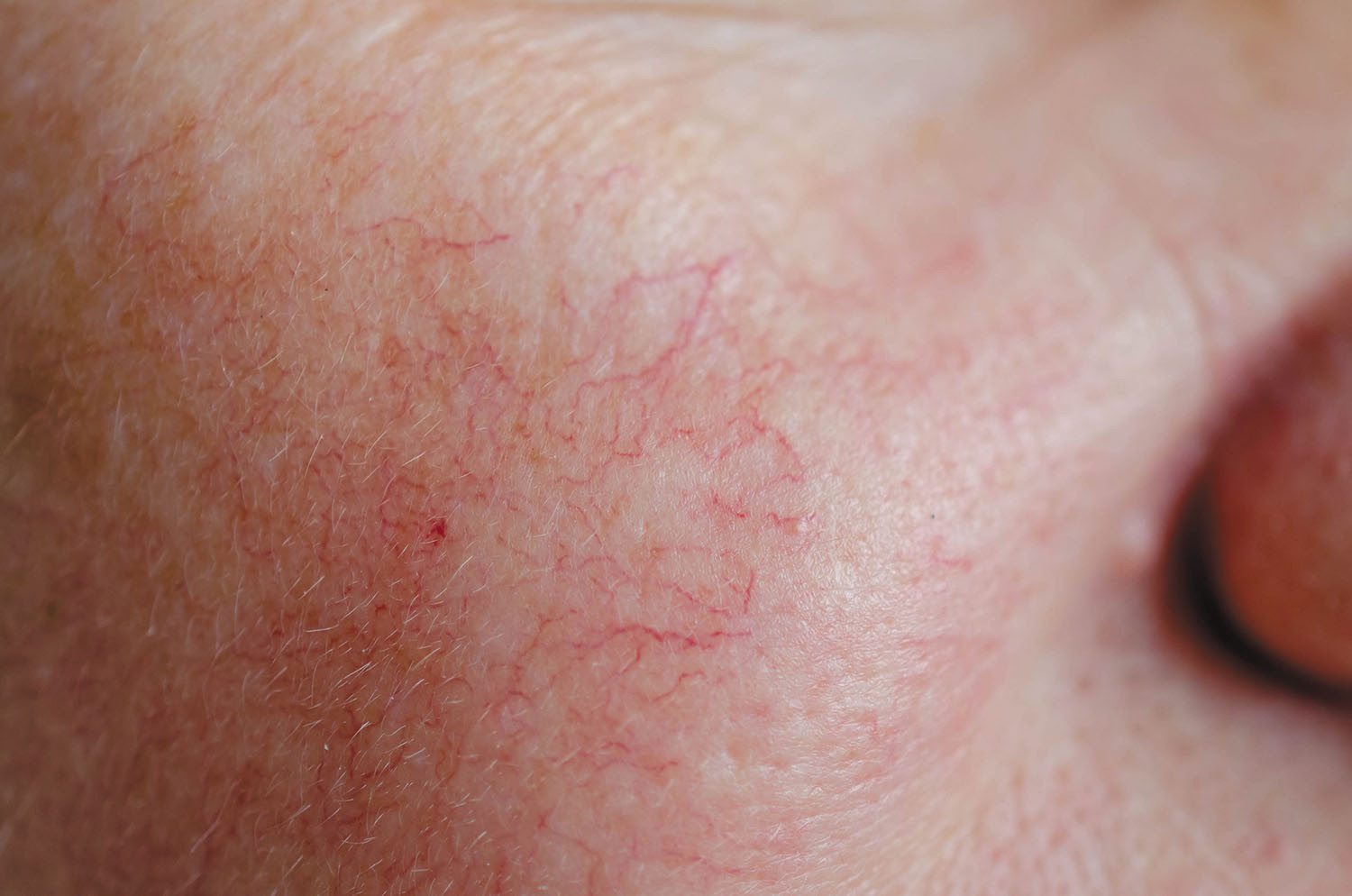
Rosacea can flare at menopause
Tips to help you treat this common skin condition.
You thought you left acne behind you in your teen years, but here you are at midlife with a breakout. But it might not be what you think. Rosacea is often mistaken for acne, and the condition, which most often begins after age 30, sometimes flares at menopause, says Dr. Suzanne Olbricht, an associate professor of dermatology at Harvard Medical School.
A common skin condition affecting some 16 million Americans, rosacea most often develops in people with fair skin who blush easily. Rosacea is sometimes mistaken for sunburn, a naturally ruddy complexion, or even an allergic reaction. It produces a number of skin problems, including

5 Internet recommendations for joint pain: Do they work?
Some ideas seem reasonable, but that doesn't mean they'll help.
People increasingly consult the Internet about medical problems. If you're looking for approaches to relieve joint pain and inflammation caused by wear and tear (osteoarthritis) or an immune system attack (such as occurs in rheumatoid arthritis), you may find methods that sound promising and even sensible. But will they work? Here's advice on five pain relief methods commonly touted on the Internet.
1. Music therapy
Listening to music can evoke powerful emotions that help people relax or heal, which is the basis of music therapy. Research has found that music therapy is associated with less anxiety before surgery or during chemotherapy, and better functioning during physical rehabilitation.
Even a little exercise linked with lower stroke risk in people with afib
Testosterone therapy without evidence of deficiency may boost heart risk
Weight-loss drug may lower risk of heart attacks and infections
What to eat on the DASH diet
Migraine: How it's diagnosed and what that means
Tricep workouts you can do at home
Mindfulness practices to reduce stress and improve focus
Antihistamines may not offer meaningful relief from eczema symptoms
Overweight and taking blood pressure medications: Study finds it's a trend that's working
FDA approves first mRNA-based flu vaccine
Free Healthbeat Signup
Get the latest in health news delivered to your inbox!
Sign Up
