

Even a little exercise linked with lower stroke risk in people with afib

Testosterone therapy without evidence of deficiency may boost heart risk

Weight-loss drug may lower risk of heart attacks and infections

What to eat on the DASH diet

Migraine: How it's diagnosed and what that means

Tricep workouts you can do at home

Mindfulness practices to reduce stress and improve focus

Antihistamines may not offer meaningful relief from eczema symptoms

Overweight and taking blood pressure medications: Study finds it's a trend that's working

FDA approves first mRNA-based flu vaccine
Integrative therapies Archive
Articles

Is it time to consider using medical marijuana?
The stigma is fading, but learn the pros and cons before trying it.
Despite the hype and popularity of medical marijuana, you may not be sure if it's something to consider. You're right to be cautious; the use of marijuana to treat health problems is still being studied, and we don't have all the answers about its risks and benefits.
We do know that medical marijuana use among older adults is increasing. "Older adults tend to use it for physical ailments. No. 1 is chronic pain. Insomnia is another big one, too. Older people have a hard time sleeping, and there aren't a lot of other safe options," says Dr. Peter Grinspoon, a primary care physician with Harvard-affiliated Massachusetts General Hospital.

How to recover from post-traumatic stress disorder
Normally associated with veterans, PTSD can also affect people of all ages who have experienced any kind of trauma.
Post-traumatic stress disorder (PTSD) is a severe and potentially debilitating mental health disorder that affects people who have experienced or witnessed a traumatic event. PTSD often occurs in combat veterans, but it can also strike older adults, and especially men.
About 70% of older men have been exposed to trauma at some point in life, according to the U.S. Department of Veterans Affairs. Many of these traumatic events are accidents (or near misses), injuries, or serious health issues.

Another strategy to cope with life’s dark times
News briefs
The United States is reporting increasing numbers of "deaths from despair" (suicide, drug overdose, or alcohol poisoning). Antidepressants and psychotherapy are often used to help people who are having a hard time coping with extremely difficult times and who are at risk for dying because of it. A recent Harvard study found that another strategy may also play a part in countering despair: attending religious services. The study, published online May 6, 2020, by JAMA Psychiatry, evaluated self-reported religious service attendance among 110,000 white, middle-aged men and women who were followed for about 30 years. Compared with never attending religious services, going at least once per week was associated with a much lower risk of death from despair: 68% lower for women and 37% lower for men. Researchers say that religious participation — regardless of affiliation — may serve as an antidote to despair and provide a sustained sense of hope, meaning, peace, and positive outlook. Also, faith-based organizations promote social engagement and connectedness and preach against self-injury and substance use. The study was observational and does not prove that regularly going to a religious service prevents death from despair. However, we know from other Harvard research that using religion to cope is associated with improved outcomes for people with severe psychiatric illness. Due to the pandemic, it may be difficult to attend your usual place of worship. Consider attending services via teleconference. If you attend in-person services, wear a mask and try to stay six feet away from others.
Image: © fstop123/Getty Images
Pain relief that's safe for your heart
Some common painkillers may boost the odds of a heart problem. Use them wisely to lessen your risk.
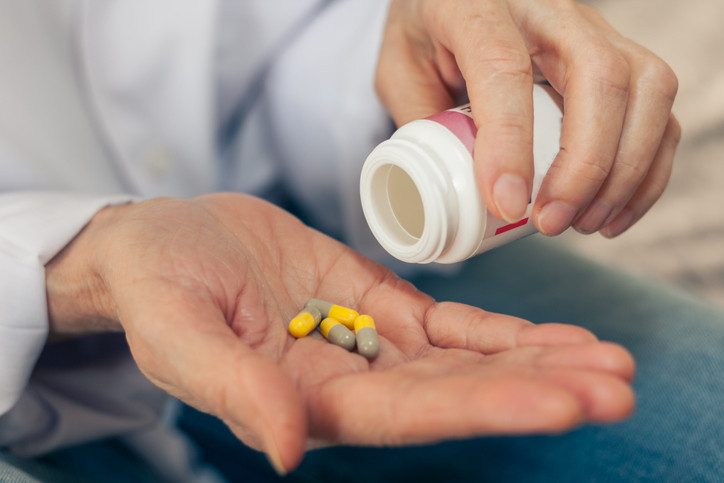
In 2004, the drug maker Merck pulled rofecoxib (Vioxx) off the market, following revelations that the popular prescription painkiller increased the risk of heart attacks and strokes. That action triggered a closer look at drugs in the same class, known as nonsteroidal anti-inflammatory drugs (NSAIDs). These drugs, which are widely used to ease pain, quell inflammation, and cool fevers, include over-the-counter drugs such as aspirin, ibuprofen (Advil, Motrin), naproxen (Aleve, Naprosyn) and the prescription drug celecoxib (Celebrex).

What should you do during a psychiatric medication shortage?
With the increased stress caused by the the COVID-19 pandemic, prescriptions for medications to treat mental illnesses have increased, leading to potential shortages of certain psychiatric medications. This means that some people might need to discuss their options with their prescribing clinician.

Easing the ache
Osteoarthritis pain can be debilitating. Strategies can help get you moving again.
Pain from osteoarthritis is more than just a nuisance. Knee pain, in particular, can not only keep people from exercising, but also have a chilling effect on their ability to participate in social activities, especially those that involve walking or traveling, says Elena Losina, the Robert W. Lovett Professor of Orthopedic Surgery at Harvard Medical School and co-director of the Orthopaedic and Arthritis Center for Outcomes Research at Brigham and Women's Hospital.
"In fact, the quality of life of a person with persistent pain due to knee osteoarthritis is similar to quality of life in women with metastatic breast cancer controlled by therapy," she says.

Should you use an antidepressant to get through a difficult time?
Before taking pills for a temporary situation, consider the risks.
You might think that using an antidepressant temporarily could help you weather a challenging time, such as a period of grief, extreme stress, or serious illness. But you shouldn't just jump into taking an antidepressant, cautions Dr. Jane Erb, psychiatric director of the Behavioral Health Integration in Primary Care Program at Harvard-affiliated Brigham and Women's Hospital.
"There's no evidence that taking an antidepressant in the short term will help or that it will prevent longer-term consequences of stress, such as post-traumatic stress disorder," she says.

4 "must dos" for kids with seasonal allergies
Many children look forward to warm, mild spring weather, but kids with seasonal allergies (also known as hay fever) might not. Hay fever can interfere with a child's ability to play outdoors, and it can just plain make them feel miserable. These tips can help your child cope with allergy season — and they work just as well for adults, too.


Even a little exercise linked with lower stroke risk in people with afib
Testosterone therapy without evidence of deficiency may boost heart risk
Weight-loss drug may lower risk of heart attacks and infections
What to eat on the DASH diet
Migraine: How it's diagnosed and what that means
Tricep workouts you can do at home
Mindfulness practices to reduce stress and improve focus
Antihistamines may not offer meaningful relief from eczema symptoms
Overweight and taking blood pressure medications: Study finds it's a trend that's working
FDA approves first mRNA-based flu vaccine
Free Healthbeat Signup
Get the latest in health news delivered to your inbox!
Sign Up
