

Fatty liver disease: Should you be tested?

Even a little exercise linked with lower stroke risk in people with afib

Testosterone therapy without evidence of deficiency may boost heart risk

Weight-loss drug may lower risk of heart attacks and infections

Migraine: How it's diagnosed and what that means

Tricep workouts you can do at home

Mindfulness practices to reduce stress and improve focus

Antihistamines may not offer meaningful relief from eczema symptoms

Overweight and taking blood pressure medications: Study finds it's a trend that's working

FDA approves first mRNA-based flu vaccine
Immune and infectious diseases Archive
Articles
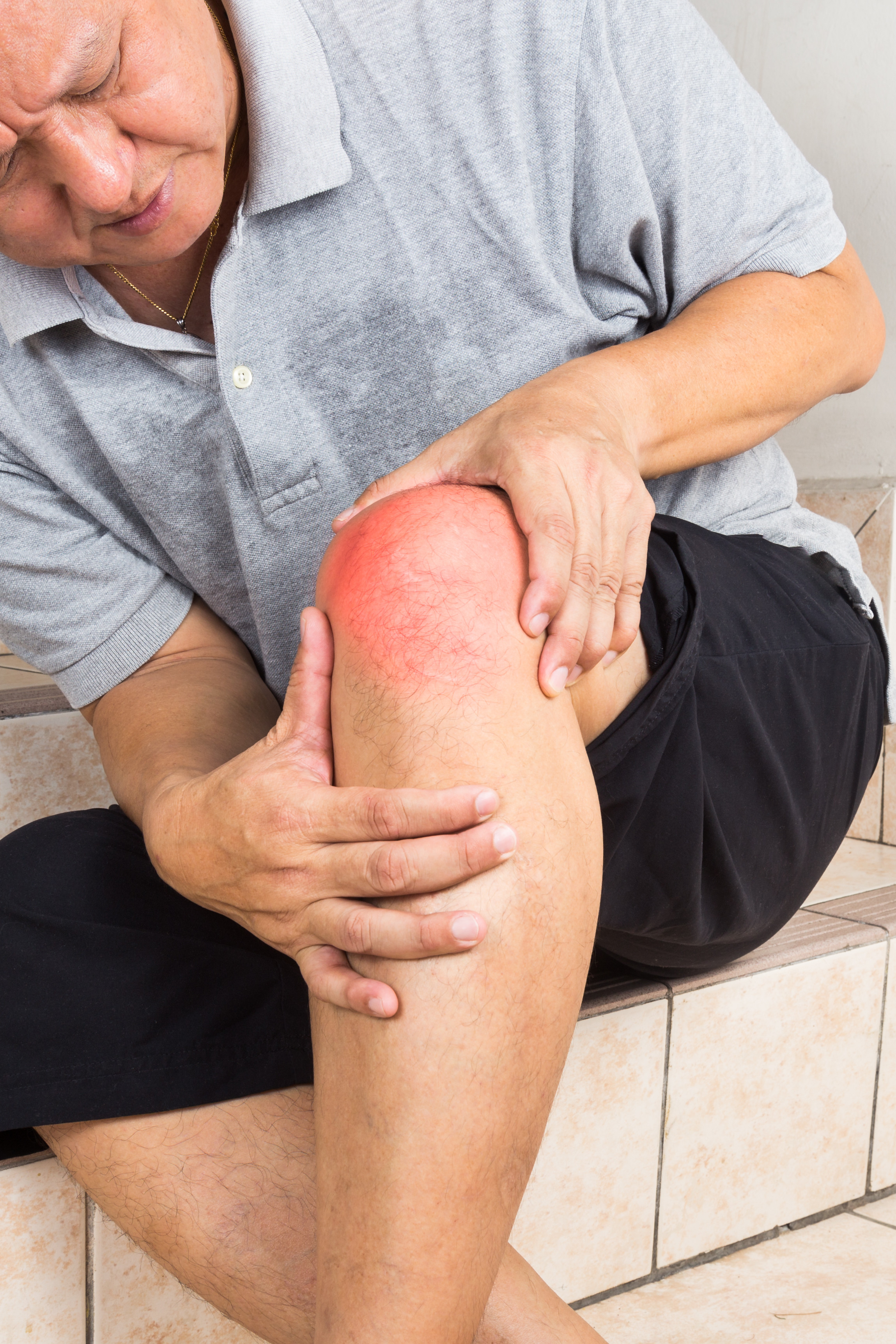

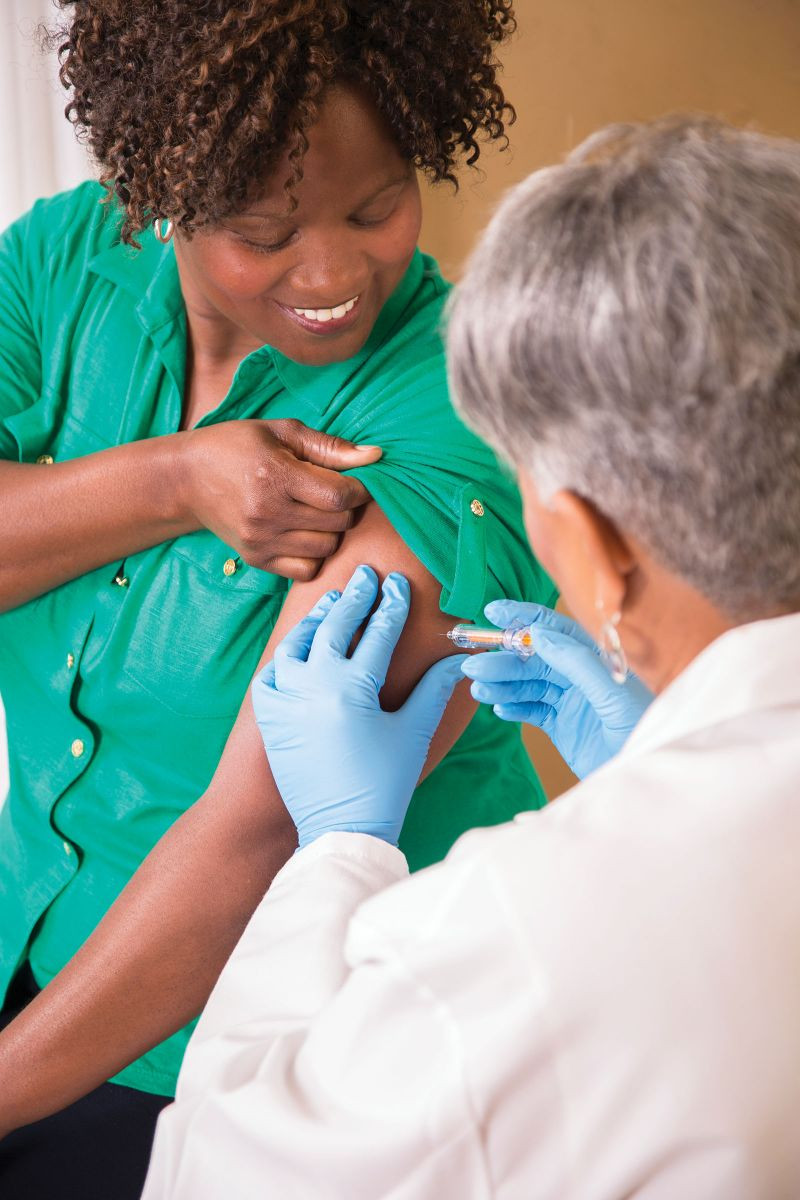
Tuberculosis vaccine shows promise in controlling blood sugar
Research we're watching
A long-used vaccine is showing promise in helping to restore near-normal blood sugar levels in people with advanced type 1 diabetes. Researchers from Harvard Medical School injected adults who had type 1 diabetes with two doses of the bacillus Calmette-Guérin (BCG) vaccine, which is traditionally used to prevent tuberculosis.
Participants in the study, all of whom had type 1 diabetes for many years, all showed significant improvements in their average blood sugar levels after the vaccination. The improvements lasted for the next five years. Researchers said that it appears the vaccine affected a metabolic mechanism that increases consumption of glucose by cells.

Giving babies and toddlers antibiotics can increase the risk of obesity
Antibiotics are crucial tools in fighting illnesses, but over-reliance on them can have serious consequences. A new study found that babies who were given antibiotics in their first two years were significantly more likely to become obese.


Lyme disease: Resolving the “Lyme wars”
Most people who get Lyme disease recover after a course of antibiotics, but some patients continue to experience symptoms for months or even years. There is much controversy around post-treatment Lyme disease, particularly in how long patients should continue taking antibiotics.

Baby boomers: Don’t forget hepatitis C screenings
News briefs
Baby boomers are falling short in getting hepatitis C screenings. In 2012, the CDC urged the entire generation of people born from 1945 to 1965 to get this simple blood test, noting that baby boomers are five times more likely to have the virus than other adults. But a study published online March 27, 2018, by the journal Cancer Epidemiology, Biomarkers & Prevention found that only about 13% of baby boomers had been tested by 2015, up just one percentage point from 2013. The information came from national government health surveys. Hepatitis C can lead to cirrhosis, liver damage, liver cancer, and liver failure. Treatments are now available that can cure hepatitis C, if it's caught early enough. Baby boomers are believed typically to have become infected in the 1960s through the 1980s, when transmission of hepatitis C was highest. People at highest risk are those who have used intravenous drugs, had more than one sex partner, or received a blood transfusion before 1992, when the blood test for hepatitis C was first available.
Image: © juststock | GettyImages
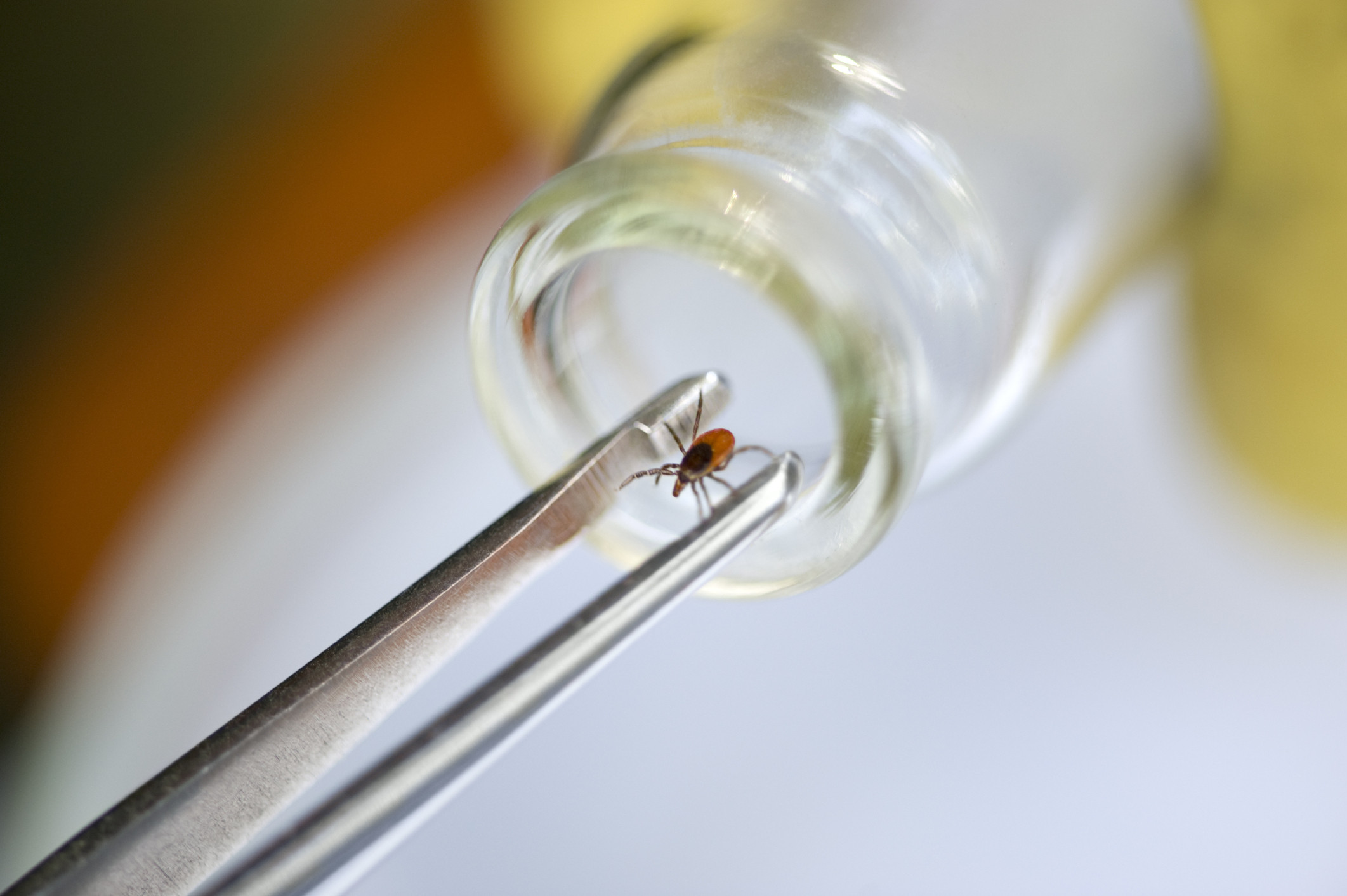
Ticked off: America’s quiet epidemic of tickborne diseases
The number of annual cases of Lyme disease in the United States nearly doubled from 2004 to 2016 (and those are just the reported cases), but several other serious illnesses can be spread by ticks and mosquitoes.


Fatty liver disease: Should you be tested?
Even a little exercise linked with lower stroke risk in people with afib
Testosterone therapy without evidence of deficiency may boost heart risk
Weight-loss drug may lower risk of heart attacks and infections
Migraine: How it's diagnosed and what that means
Tricep workouts you can do at home
Mindfulness practices to reduce stress and improve focus
Antihistamines may not offer meaningful relief from eczema symptoms
Overweight and taking blood pressure medications: Study finds it's a trend that's working
FDA approves first mRNA-based flu vaccine
Free Healthbeat Signup
Get the latest in health news delivered to your inbox!
Sign Up
