

Estrogen-only hormone therapy tied to lower dementia risk
Should you have a hysterectomy?

Stair climbing may significantly lower cardiovascular risks

Why do I sweat so much?

Walking pneumonia: The "mild" illness that can still pack a punch

Tai chi walking: What is it and does it work?

What causes knee pain: How doctors make a diagnosis
Sacroiliac joint pain: Causes, symptoms, and exercises that help
Where you carry excess weight matters in predicting heart disease risk
Study: At-home colorectal cancer screening may significantly cut colon cancer deaths
Hysterectomy and surgical menopause Archive
Articles
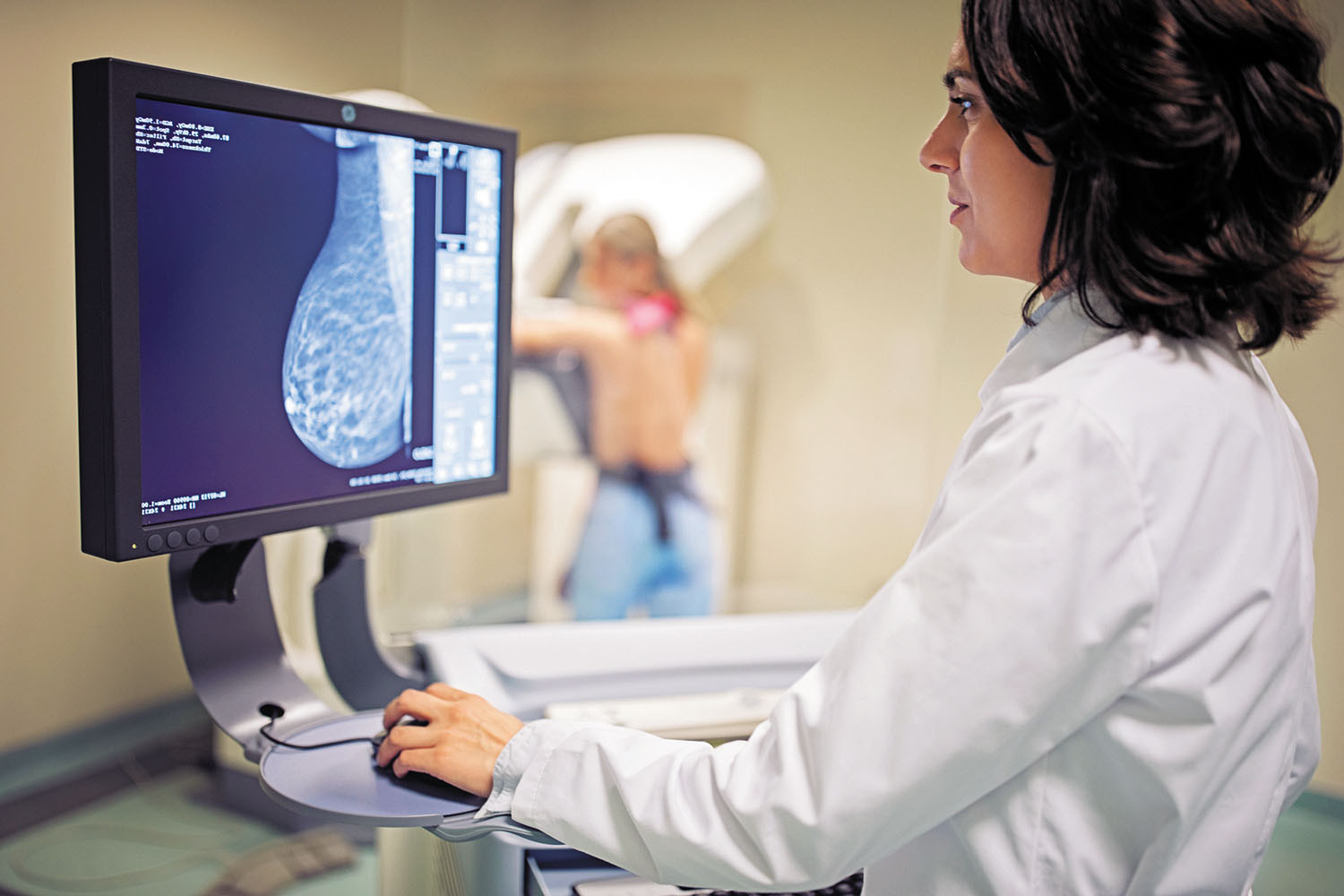
Mammograms may help reveal cardiovascular risk
Postmenopausal women whose screening mammograms show signs of calcification in their breast arteries may have a higher risk of cardiovascular disease.

Considering pregnancy and have lupus? Plan ahead
In the past, people with lupus were advised to avoid pregnancy because doctors believed it was too risky. That's no longer true: in most cases, following expert guidelines can make a successful pregnancy possible. It's wise to think ahead, and to be aware of some important issues.

Gyn Care 101: What to know about seeing a gynecologist
There are many reasons you might want or need to see a gynecologist or seek gyn care from your health care team. It helps to understand who will provide your care, what to expect during the visit, what to discuss, and how to have a positive experience during the visit.

High resting heart rate predicts heart risk in women at midlife
A study based on data from the Women's Health Initiative suggests that a high resting heart rate is an indicator of risk of heart attack in middle-aged women.


Bracing for incontinence
Among US women ages 60 or older, the prevalence of urge incontinence (a sudden, unprovoked need to urinate) and stress incontinence (leaking urine with physical activity or pressure on the bladder) appeared to increase between 2005 and 2018. Treatments for urge incontinence include lifestyle modifications (such as avoiding caffeinated drinks or scheduling bathroom breaks), pelvic floor exercises, medications, and Botox injections. Treatments for stress incontinence include pelvic floor exercises, weight loss, vaginal pessaries, bulking agent injections, and bladder sling surgery.

Can the COVID-19 vaccine affect menstruation?
A study found that women who were vaccinated against COVID-19 experienced a slight, temporary increase in the number of days between menstrual periods after getting the shot. Experts say the variation is not harmful and does not affect fertility.

Paths to parenting: Choosing single parenthood through pregnancy
Choosing to become pregnant and parent without a partner is increasingly common and more widely accepted than in the past, but deciding to pursue this path can be lonely. Additionally, there are important questions about financial security and the support of family and friends that a prospective single parent needs to consider.

Intimate partner violence and traumatic brain injury: An invisible public health epidemic
While post-concussive symptoms are common in women who have experienced intimate partner violence, many women hide their symptoms and little research has been done, meaning the long-term health risks of millions of women are unknown.

Estrogen-only hormone therapy tied to lower dementia risk
Should you have a hysterectomy?
Stair climbing may significantly lower cardiovascular risks
Why do I sweat so much?
Walking pneumonia: The "mild" illness that can still pack a punch
Tai chi walking: What is it and does it work?
What causes knee pain: How doctors make a diagnosis
Sacroiliac joint pain: Causes, symptoms, and exercises that help
Where you carry excess weight matters in predicting heart disease risk
Study: At-home colorectal cancer screening may significantly cut colon cancer deaths
Free Healthbeat Signup
Get the latest in health news delivered to your inbox!
Sign Up
