

Estrogen-only hormone therapy tied to lower dementia risk

Should you have a hysterectomy?

Stair climbing may significantly lower cardiovascular risks

Why do I sweat so much?

Walking pneumonia: The "mild" illness that can still pack a punch

Tai chi walking: What is it and does it work?

What causes knee pain: How doctors make a diagnosis
Sacroiliac joint pain: Causes, symptoms, and exercises that help

Where you carry excess weight matters in predicting heart disease risk

Study: At-home colorectal cancer screening may significantly cut colon cancer deaths
Hysterectomy and surgical menopause Archive
Articles

Could my blood pressure medication be causing my hot flashes to return?
After starting treatment for high blood pressure, your hot flashes are back. Explore how medications and other conditions might be involved.

What should you do if you discover a lump in your breast?
A new breast lump can be alarming, but not all require immediate surgery. A doctor will determine the appropriate next steps, which may include medical tests.
Late-start hormone therapy: Safe or risky?
Guidelines recommend that women starting hormone therapy do so before age 60 and within 10 years of menopause onset. Starting later may raise the risks of heart attack, stroke, or dementia. Women who start hormone therapy at 70 or older face even greater cardiovascular risks.

From periods to menopause: How estrogen levels throughout life affect women's brain health
Women's reproductive history, including first period, pregnancy, and menopause, influences their lifetime exposure to estrogen, which appears to shape brain aging and dementia risk. Menopause is believed to be the strongest reproductive factor, with later menopause tied to lower dementia risk.

Staying active throughout middle age may lower women's risk of dying early
A 2026 study suggested that women who consistently stay active throughout middle age have a significantly lower risk of dying early than peers who are inactive.

How chemotherapy can affect women's sexual health — and what can help
Chemotherapy treatment in women can diminish hormone levels that affect sexual health and intimacy. It can also alter self-image, sex drive, and emotions. Research suggests anywhere from 40% to 100% of cancer survivors struggle with sexual dysfunction.

When consequences of pregnancy complications develop later in life
Pregnancy complications such as gestational diabetes and preeclampsia—marked by high blood pressure that can impair organ function and affect blood vessels—are increasingly tied to higher lifetime cardiovascular risks. Women with these complications face greater odds of heart attack, stroke, and diabetes.

Diagnosing and treating premenstrual dysphoric disorder
Women who experience severe premenstrual symptoms may have a condition called premenstrual dysphoric disorder. Antidepressants may relieve these symptoms and, depending on the person, can be taken intermittently instead of daily.
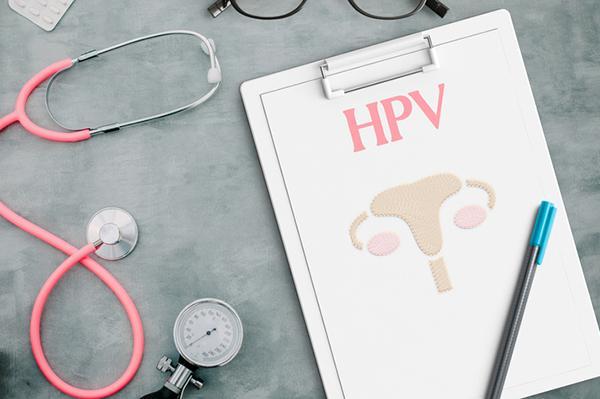
HPV testing at home: A new option for women
In January 2026, the U.S. Department of Health and Human Services issued cervical cancer screening guidelines that, for the first time, include an option for women to perform an at-home human papillomavirus (HPV) test. HPV causes about 95% of cervical cancers.

How can I tell if I'm developing arthritis or musculoskeletal syndrome of menopause?
Osteoarthritis and musculoskeletal syndrome of menopause can involve overlapping symptoms. But arthritis pain tends to be concentrated in specific joints, while joint pain and achiness from musculoskeletal syndrome of menopause usually occurs in multiple joints and muscles at once.
Estrogen-only hormone therapy tied to lower dementia risk
Should you have a hysterectomy?
Stair climbing may significantly lower cardiovascular risks
Why do I sweat so much?
Walking pneumonia: The "mild" illness that can still pack a punch
Tai chi walking: What is it and does it work?
What causes knee pain: How doctors make a diagnosis
Sacroiliac joint pain: Causes, symptoms, and exercises that help
Where you carry excess weight matters in predicting heart disease risk
Study: At-home colorectal cancer screening may significantly cut colon cancer deaths
Free Healthbeat Signup
Get the latest in health news delivered to your inbox!
Sign Up
