

Salmonella, E. coli, Cyclospora, and other germs that cause food poisoning: What you need to know

Understanding orthorexia: Have your healthy eating goals gone too far?

Melatonin or magnesium: Can either supplement help you sleep?

Naturally gluten-free foods

Harvard study: Healthier fats linked to longer life after prostate cancer diagnosis

Shingrix shingles vaccine linked with lower heart disease risks

Estrogen-only hormone therapy tied to lower dementia risk
Should you have a hysterectomy?

Stair climbing may significantly lower cardiovascular risks

Walking pneumonia: The "mild" illness that can still pack a punch
Heart valve issues Archive
Articles

Treating high blood pressure may help lower risk of cognitive decline
People who aggressively lower their high blood pressure not only help their heart health, but also may protect their brains from cognitive decline in the process, according to a 2025 study.

Keeping coffee to mornings may better protect the heart
A 2025 study found that morning coffee drinkers faced lower odds of dying from cardiovascular disease-or any cause-over a 10-year period compared with people who drank coffee all day or people who didn't drink coffee at all.

Heart medication interactions
Certain drugs, supplements, or foods can interact with common heart medications. Known as drug-drug or drug-nutrient interactions, these can occur at any point of the drug's "life cycle:" absorption, metabolism, or excretion. When a drug or other substance alters the absorption or metabolism of another drug, this may reduce or increase its effects. For example, grapefruit juice can elevate blood levels of certain statins and potentially increase the risk of side effects.
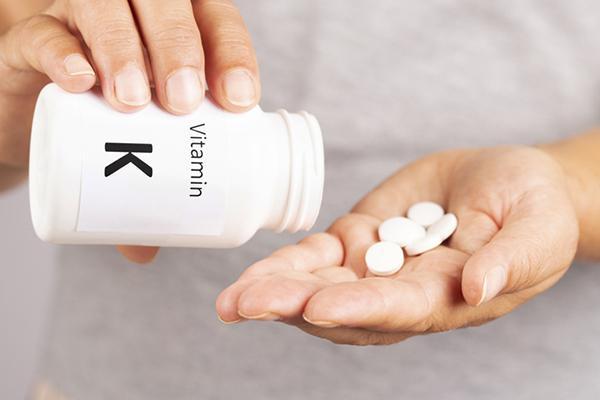
Is it safe for me to take vitamin K if I am already taking Plavix and aspirin?
Taking antiplatelet drugs can make any “blood thinner” advice confusing. Which blood-thinning medications vitamin K affects matters here.

Strategies for scaling back on salt
About 70% of the sodium in the American diet comes from processed, packaged, and restaurant foods. Checking labels and making smart swaps when shopping and dining out can help people consume less sodium and, perhaps, prevent cardiovascular disease and related deaths.

Why are heart attacks more common in the morning?
A number of physiological changes driven by the body’s internal clock help explain why heart attacks are more common in the morning. These changes include factors involved in blood pressure, blood clot formation, and inflammation.
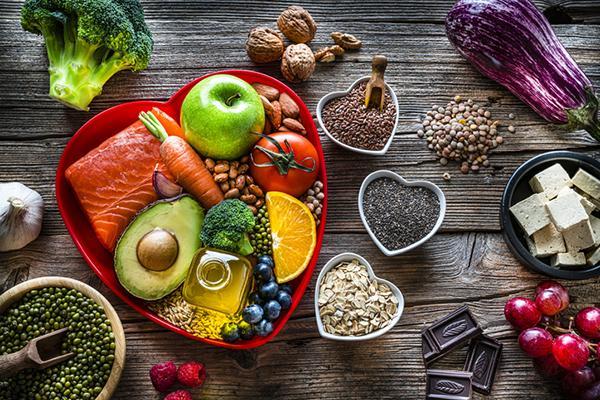
New guidelines detail what you should eat for a healthy heart
A 2026 scientific statement from the American Heart Association details nine key features of a heart-healthy diet that can help people protect their cardiovascular health.

Premature menopause linked to higher lifetime risk of heart disease
Women who experience premature menopause (when menstrual periods end before age 40) have a 40% higher risk of heart attacks than women who experience menopause after age 40, according to a 2026 study.

Higher fitness levels linked to lower risk of depression, dementia
People with higher levels of cardiorespiratory fitness were less likely to develop depression and dementia than those with low levels of cardiorespiratory fitness, according to a 2026 research review.
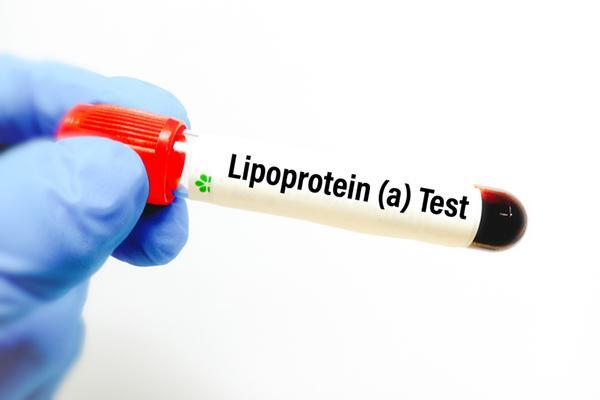
New cholesterol guidelines recommend Lp(a) blood test
All adults should get a lipoprotein(a) blood test at least once in their lifetime, according to the 2026 cholesterol guidelines. Also known as Lp(a), these fatty particles are similar to LDL (bad) cholesterol but more dangerous.
Salmonella, E. coli, Cyclospora, and other germs that cause food poisoning: What you need to know
Understanding orthorexia: Have your healthy eating goals gone too far?
Melatonin or magnesium: Can either supplement help you sleep?
Naturally gluten-free foods
Harvard study: Healthier fats linked to longer life after prostate cancer diagnosis
Shingrix shingles vaccine linked with lower heart disease risks
Estrogen-only hormone therapy tied to lower dementia risk
Should you have a hysterectomy?
Stair climbing may significantly lower cardiovascular risks
Walking pneumonia: The "mild" illness that can still pack a punch
Free Healthbeat Signup
Get the latest in health news delivered to your inbox!
Sign Up
