

Healing after food poisoning

What is tempeh? Benefits, nutrition, and how to use it

Light exposure at night may raise risk for heart disease

Whole grains may improve several heart risk factors at once

A lumbar belt may help ease low back pain

Children of centenarians may stay healthier and live longer too, study finds

Signs of pneumonia: Sometimes vague and unexpected

The surprising link between ovarian cancer and the fallopian tubes

Using a vibration plate: What it can — and can't — do for your body

People who walk more or walk faster live longer, study finds
Heart Disease Archive
Articles

Magnesium and blood pressure: What's the evidence?
The FDA will allow companies to make certain health claims regarding the consumption of magnesium and a reduced risk of high blood pressure. But the evidence for the link is inconclusive and inconsistent.

Heart attack versus cardiac arrest
Heart attacks occur when a blocked coronary artery prevents blood flow to part of the heart. Cardiac arrest is caused by an electrical misfire that causes the heart to abruptly stop beating.

Smart snack strategies
Between-meal snacks can either help or hinder people's efforts to eat a heart-healthy diet. Simple strategies such as upgrading food choices can help. Instead of low-quality carbs like candy or potato chips, people should choose high-quality carbs like fruit or whole-grain crackers, along with a little protein or healthy fat (such as half an apple with a handful of nuts). They should also try to avoid eating simply out of habit when they're not actually hungry.
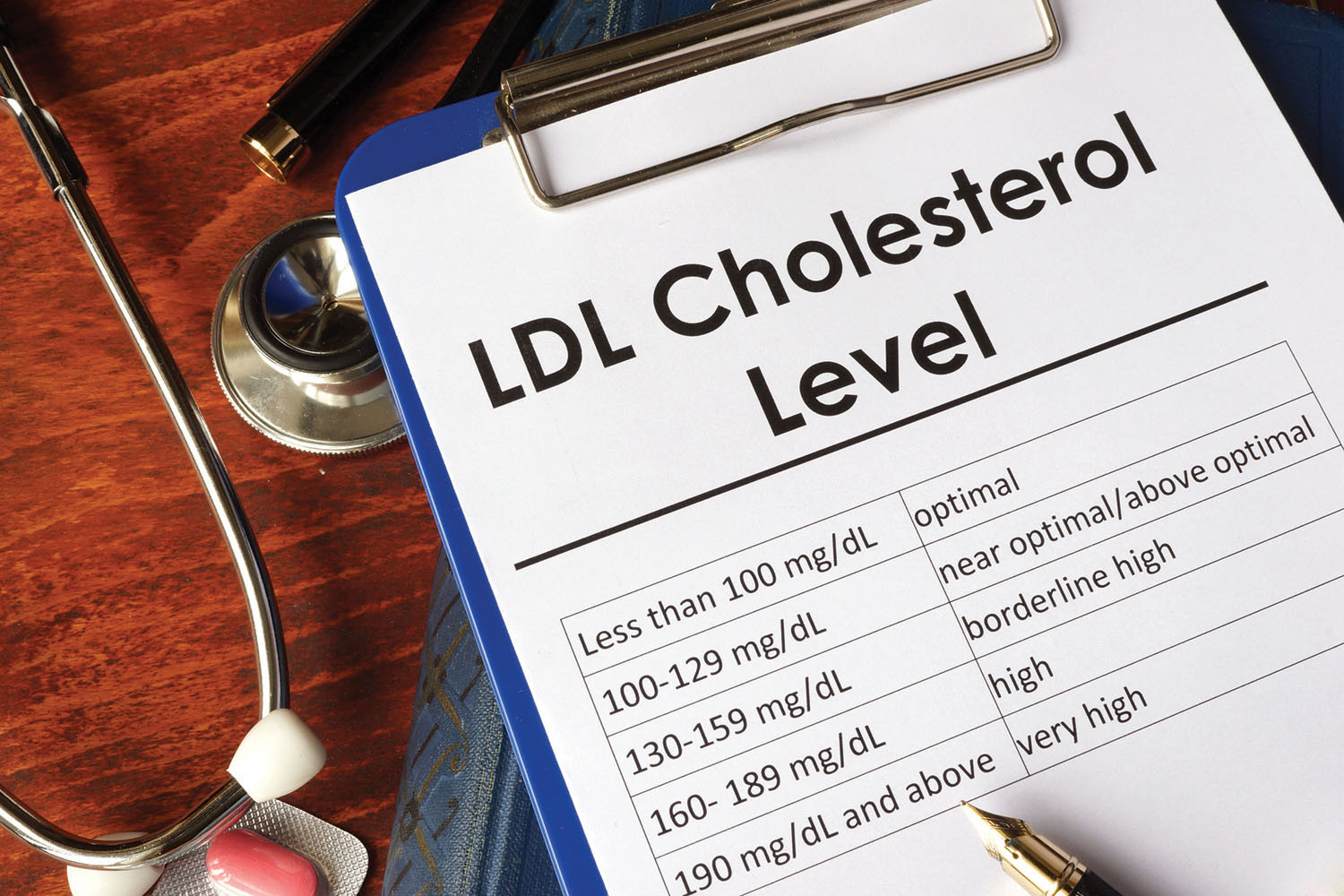
The changing landscape of LDL lowering drugs
For most people, statins are still the best way to lower harmful LDL cholesterol. But two newer drugs may be promising additions or alternatives for those with stubbornly high LDL levels. Bempedoic acid, which lowers LDL by about 25%, works in a manner similar to statins but may help reduce muscle-related side effects seen with statins. Inclisiran interferes with a protein that's involved with regulating LDL production in the liver; it lowers LDL by about 50%.

Stay active as you age to extend your health span
According to the "active grandparent" hypothesis, humans evolved to be physically active throughout life. That frequent movement helps ward off chronic disease (including heart disease) and promotes longevity. While hunter-gatherers had to be active to survive, they also had a natural instinct to avoid unnecessary activity to preserve energy when food was scarce. Modern humans don't need to expend physical effort to meet their basic needs for food and survival. Instead, they must exercise (defined as discretionary activity for the sake of health) to stay healthy and live a long life.

Meal of the month: Southern side dishes
Traditional Southern cuisine features side dishes based on vegetables, beans, and whole grains that, when served together, can make a complete, meat-free meal that’s both filling and tasty.

Staving off heart problems in your 80s and beyond
For people in their 80s and beyond, the advice for preventing and treating heart disease is similar to that for young people, especially with respect to staying physically active. But octogenarians may need to adjust their medication regimens. Low-dose aspirin is not recommended after age 70, and doses of anti-clotting medications may need to be reduced. Some people may also need to dial back their blood pressure medications if they experience side effects such as dizziness.

Close relationships with neighbors influence cardiovascular health in Black adults
A study of Black adults living in the Atlanta area suggests that feeling rooted in community and socializing with neighbors may strongly contribute to better cardiovascular health, which might lower risk for heart attacks and strokes.
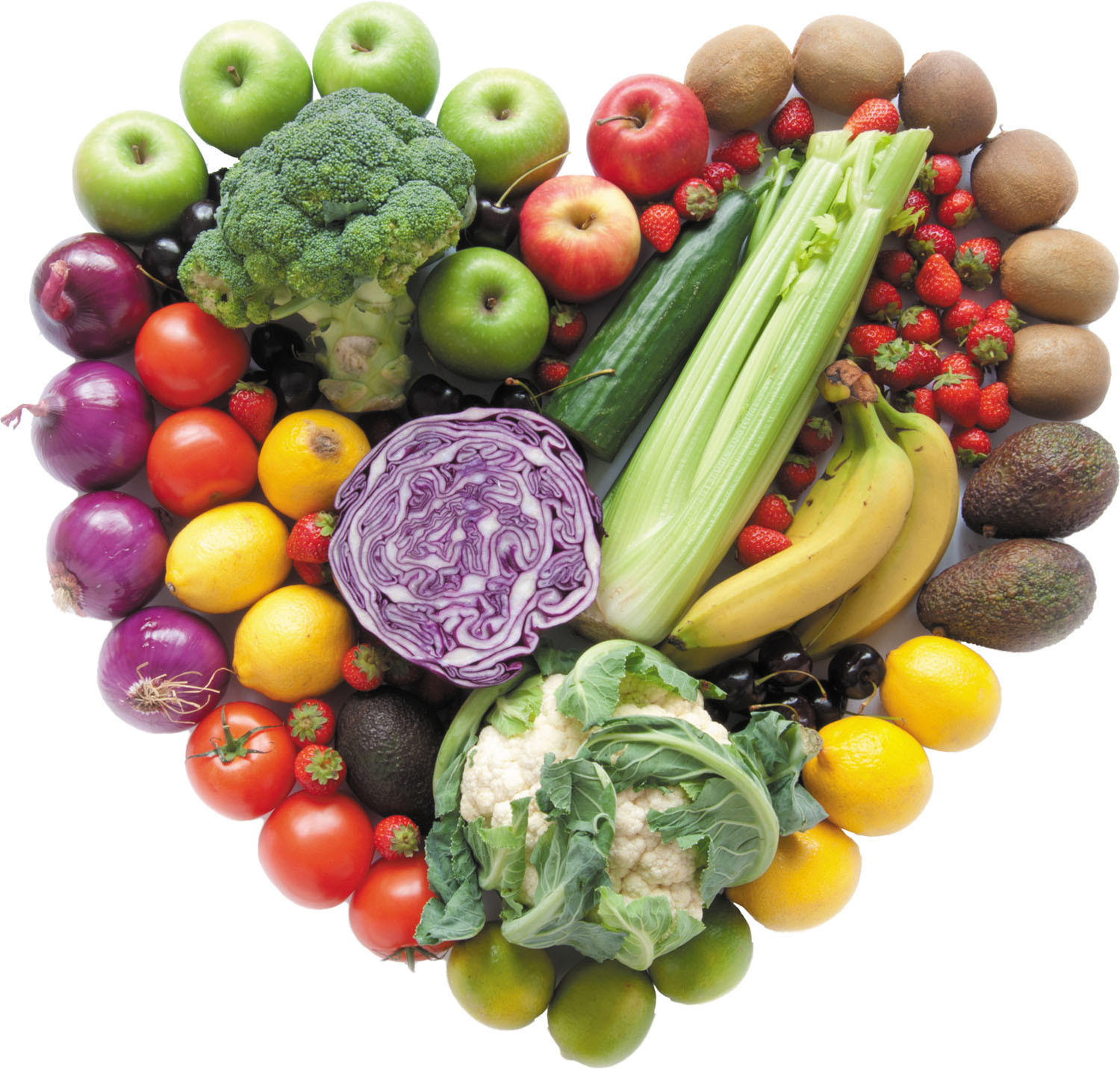
The 10 rules of a heart-healthy diet
The American Heart Association released updated dietary guidelines in November 2021. Instead of focusing on certain nutrients, the guidelines emphasize healthy eating patterns that include fruits, vegetables, whole grains, plant-based proteins, and plant-based oils. The guidelines also urge people to avoid foods and drinks that are ultra-processed or that have lots of added sugars; to choose or prepare foods with little or no salt; to limit alcohol consumption; and to follow the rules for a heart-healthy diet no matter what the setting.

Saturated fat eaten in the short term might not threaten heart health
People who follow a low-carbohydrate/high-fat diet for weight loss often eat high amounts of saturated fat. Even though saturated fat can contribute to cardiovascular disease, a 2021 study suggests that eating higher amounts might not be bad for heart health in the short term.
Healing after food poisoning
What is tempeh? Benefits, nutrition, and how to use it
Light exposure at night may raise risk for heart disease
Whole grains may improve several heart risk factors at once
A lumbar belt may help ease low back pain
Children of centenarians may stay healthier and live longer too, study finds
Signs of pneumonia: Sometimes vague and unexpected
The surprising link between ovarian cancer and the fallopian tubes
Using a vibration plate: What it can — and can't — do for your body
People who walk more or walk faster live longer, study finds
Free Healthbeat Signup
Get the latest in health news delivered to your inbox!
Sign Up
