

Healing after food poisoning

What is tempeh? Benefits, nutrition, and how to use it

Light exposure at night may raise risk for heart disease

Whole grains may improve several heart risk factors at once

A lumbar belt may help ease low back pain

Children of centenarians may stay healthier and live longer too, study finds

Signs of pneumonia: Sometimes vague and unexpected

The surprising link between ovarian cancer and the fallopian tubes

Using a vibration plate: What it can — and can't — do for your body

People who walk more or walk faster live longer, study finds
Heart Disease Archive
Articles

The inside story on pacemakers
The likelihood of someone needing a pacemaker increases with age. This tiny battery-powered device, implanted into the chest, improves abnormal heart rhythms and improves blood flow if the heart does not pump effectively. By helping the heart maintain more normal function, pacemakers enable many individuals with certain heart conditions to resume their normal lifestyle and stay active longer.

Engage your heart and brain, even when you're sitting
Sitting too much is bad for health. But there are ways to make time spent seated a little healthier. For example, people can keep their brains active by reading, writing, doing a hobby (such as knitting), or playing an instrument. And people can exercise while in a seated position. It's possible to do an aerobic workout that gets the heart and lungs pumping, such as a seated dance routine or calisthenics, as well as muscle-strengthening activities or stretching exercises.
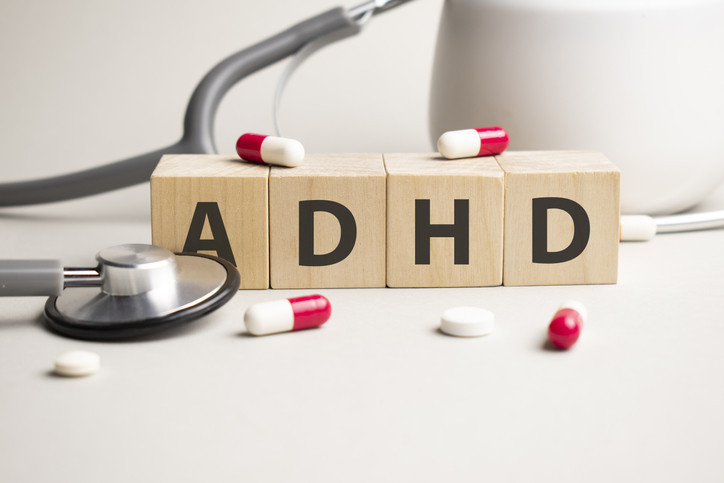
Attention deficit disorder linked to higher heart disease risk
People with attention-deficit hyperactivity disorder, a condition marked by trouble focusing and impulsive behavior, may be more likely to have cardiovascular disease that people without the disorder.

Some heart patients need antibiotics before dental work
People with certain heart conditions, including a replaced or repaired heart valve, should take antibiotics before invasive dental procedures. This helps prevent endocarditis, a serious heart infection often caused by bacteria from the mouth.

Polypill may help prevent repeat heart attacks
For heart attack survivors, taking a polypill that contains a blood pressure drug, a cholesterol-lowering statin, and low-dose aspirin may help prevent more future heart attacks and serious heart problems than usual care that includes several separate drugs.

Meal of the month: Vegetable "steaks"
Vegetable "steaks" made from sliced eggplant, cauliflower, squash, or other vegetables can provide a vegetarian option at holiday dinners. Top roasted vegetables with cheese, nuts, herbs, or sauce.

Be still, my beating heart
Palpitations, which are defined as an awareness of an abnormal heartbeat, can feel as though the heart is skipping, flip-flopping, or racing. These heart "hiccups" are usually harmless, such as those that result from a small surge of adrenalin that causes the heart to beat faster or more forcefully than usual. But some unusual heart rhythms warrant closer attention, especially if they occur in tandem with symptoms such as feeling lightheaded, dizzy, or faint.

Nuts: All they're cracked up to be?
Dry-roasted assorted nuts are a heart-healthy alternative to traditional holiday sweets. They contain unsaturated fats that help lower harmful LDL cholesterol and inflammation—two key culprits in cardiovascular disease. Nuts are also a decent source of protein, which helps people feel full and may prevent overeating. They contain fiber (which may also reduce cholesterol and increase satiety) as well as several vitamins, minerals, and plant compounds that help counteract inflammation and oxidation, another artery-damaging process implicated in heart disease.

Checking for heart murmurs
A heart murmur is the sound of turbulent blood flow within the heart as heard through a stethoscope. In adults, most abnormal murmurs are caused by an aortic or mitral valve that's not working correctly.

Debunking myths about heart disease
Many people have misconceptions about avoiding heart disease. One involves the use of over-the-counter fish oil capsules, which do not prevent heart disease in healthy people. Another relates to confusion about the ideal blood pressure targets in older adults. Some people are misinformed about the implications of a family history of heart disease, while others may be confused about the differences in heart attack symptoms between men and women.
Healing after food poisoning
What is tempeh? Benefits, nutrition, and how to use it
Light exposure at night may raise risk for heart disease
Whole grains may improve several heart risk factors at once
A lumbar belt may help ease low back pain
Children of centenarians may stay healthier and live longer too, study finds
Signs of pneumonia: Sometimes vague and unexpected
The surprising link between ovarian cancer and the fallopian tubes
Using a vibration plate: What it can — and can't — do for your body
People who walk more or walk faster live longer, study finds
Free Healthbeat Signup
Get the latest in health news delivered to your inbox!
Sign Up
