

Healing after food poisoning

What is tempeh? Benefits, nutrition, and how to use it

Light exposure at night may raise risk for heart disease

Whole grains may improve several heart risk factors at once

A lumbar belt may help ease low back pain

Children of centenarians may stay healthier and live longer too, study finds

Signs of pneumonia: Sometimes vague and unexpected

The surprising link between ovarian cancer and the fallopian tubes

Using a vibration plate: What it can — and can't — do for your body

People who walk more or walk faster live longer, study finds
Heart Disease Archive
Articles

Sleep apnea treatment lowers rehospitalization for heart problems in older adults
A 2022 study found that older adults with sleep apnea who are hospitalized for cardiovascular disease are far less likely to be rehospitalized within 30 days if they consistently treat their apnea with CPAP therapy, which keeps the airway open during sleep.

Drinking coffee linked to healthier hearts and longer lives
A 2022 study found that coffee drinkers were less likely to develop irregular heartbeats, cardiovascular disease, heart-related deaths, and deaths from any cause over a 12-year period, compared with people who did not drink coffee.

Novel procedure may lower stubbornly high blood pressure
Renal denervation is a minimally invasive procedure that destroys some of the nerves inside the renal arteries, which supply the kidneys. The procedure lowers blood pressure by disrupting communication between the brain and the kidneys that leads to elevated blood pressure. People with stubbornly high blood pressure may be candidates for the procedure, which is currently approved for use in Europe but not in the United States.
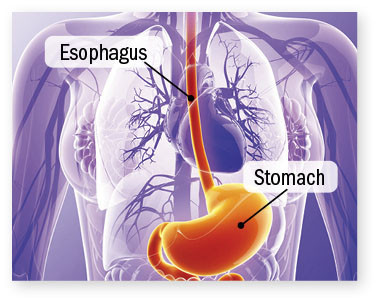
Heart disease and heartburn: What's the overlap?
Heartburn can cause chest pain that may be mistaken for a heart attack, and vice versa. Heartburn causes more a burning sensation and is more likely to occur after a large meal. Heart attacks are often described as a feeling of tightness or pressure and are more likely to occur after physical activity or stress. People who aren't sure about their symptoms should get to an emergency room for an evaluation as soon as possible.

The many ways exercise helps your heart
Aerobic and muscle-building exercises can trigger physiological changes that improve blood vessels and metabolism in ways that help prevent all the major risk factors that contribute to heart disease. These include high blood pressure, diabetes, obesity, and unhealthy cholesterol levels. Exercise can also improve mental health problems such as depression and stress, which are common but underrecognized risks for heart disease.

A breath-robbing disease that's hard on the heart
About one in eight adults over age 45 has chronic obstructive pulmonary disease (COPD). COPD refers to several lung-damaging conditions, particularly emphysema and chronic bronchitis, that cause coughing and breathlessness. But many people don't know much about COPD, which is largely caused by cigarette smoking and may be mistaken for heart disease. Anyone with symptoms of COPD should be evaluated by a physician. People who have heart disease who have ever smoked or lived with a smoker should be tested for COPD.

Sugar substitutes: New cardiovascular concerns?
People who use artificial sweeteners such as aspartame (NutraSweet, Equal), acesulfame potassium (Sunnett, Sweet One), and sucralose (Splenda) may have a higher risk of cardiovascular disease compared with people who avoid these products. These zero-calorie sweeteners might not help people lose weight, and experts postulate that artificial sweeteners may trigger inflammation and alter normal metabolism, the gut microbiome, and blood vessels in ways that promote type 2 diabetes, unhealthy cholesterol levels, and high blood pressure.


Shining a light on thoracic aortic disease
A thoracic aortic aneurysm can be small and stable, or it can tear or rupture. People with certain genetic conditions, and those who have a relative who has had this condition, are at higher risk and should be tested.

Poor physical function may predict cardiovascular disease
A new study suggests that older adults who maintain an high level functional fitness have a lower their risk of heart attack, heart failure, and stroke compared with those who are not as fit.
Healing after food poisoning
What is tempeh? Benefits, nutrition, and how to use it
Light exposure at night may raise risk for heart disease
Whole grains may improve several heart risk factors at once
A lumbar belt may help ease low back pain
Children of centenarians may stay healthier and live longer too, study finds
Signs of pneumonia: Sometimes vague and unexpected
The surprising link between ovarian cancer and the fallopian tubes
Using a vibration plate: What it can — and can't — do for your body
People who walk more or walk faster live longer, study finds
Free Healthbeat Signup
Get the latest in health news delivered to your inbox!
Sign Up
