

Reading the current blood pressure guidelines

Oat vs. dairy milk: Nutrition, benefits, and downsides

Microplastics: A hidden health threat?

Healing after food poisoning

What is tempeh? Benefits, nutrition, and how to use it

Light exposure at night may raise risk for heart disease

Whole grains may improve several heart risk factors at once

A lumbar belt may help ease low back pain

Children of centenarians may stay healthier and live longer too, study finds

Signs of pneumonia: Sometimes vague and unexpected
Heart Disease Archive
Articles

This is your brain on alcohol
It's no secret that alcohol affects our brains. Although excessive drinking is linked to an increased risk of dementia, decades of observational studies have indicated that moderate drinking has few ill effects. However, a recent British study seems to have bad news for moderate drinkers.
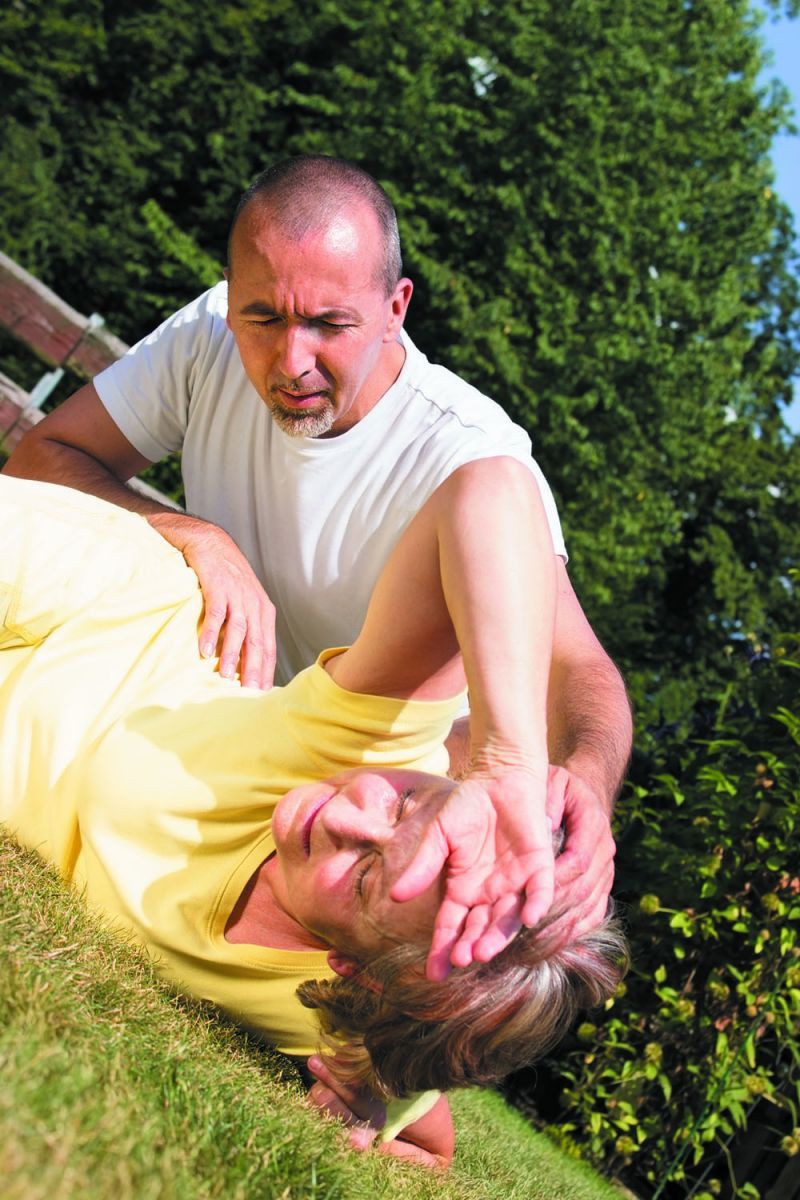
Fainting: Frightening, but seldom serious
Learn why fainting occurs and when you should seek medical attention.
One minute you're feeling a bit woozy; the next thing you know, you're flat on your back wondering what happened. No matter what you call it — swooning, passing out, or fainting — the experience is surprisingly common. About a third of people say they've fainted at least once.
Defined as a sudden, temporary loss of consciousness, fainting occurs when something interrupts blood flow to the brain. Doctors call it syncope, which comes from a Greek word meaning "contraction" or "cut off." Although often harmless, fainting can cause injuries and sometimes signals a problem with the heart or circulatory system.
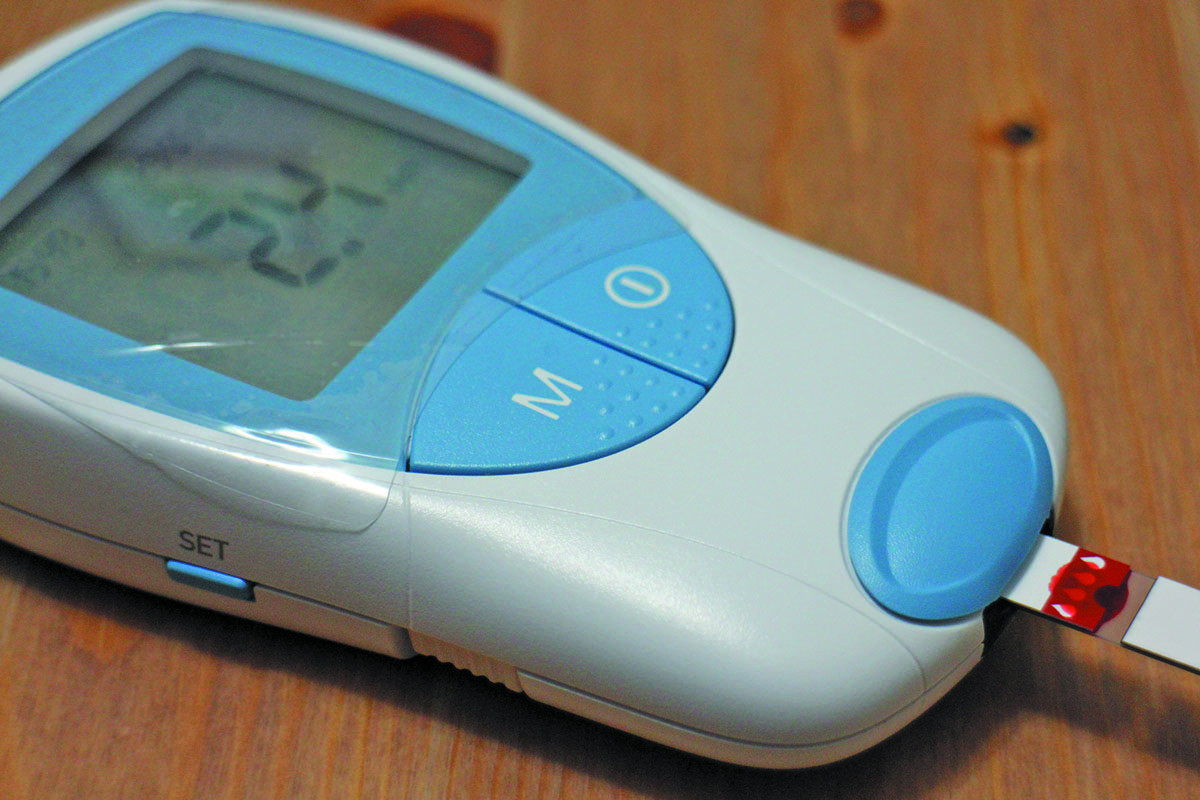
Clot prevention with a mechanical heart valve
Ask the doctor
Image: © Hailshadow/Thinkstock
Q. I have a mechanical heart valve, so I'm taking warfarin. But the frequent blood tests and occasional dose changes are bothersome. When, if ever, will I be able to take one of the new blood thinners instead of warfarin? Off-label use of other drugs is not uncommon. Why isn't that an option in this case?
A. Your question is a good one, and it requires a two-part answer. When doctors prescribe drugs "off-label," that means they believe the drug will help you, even if it has not been FDA-approved specifically for your condition. Sometimes, subsequent research provides strong evidence to support a specific off-label use, which may lead to the drug's FDA approval for that condition. But sometimes, research shows the exact opposite: a medication that doctors assumed would be beneficial is, in fact, not helpful — and sometimes even harmful.

Tennis, anyone?
When it comes to heart health, there's a lot to love about racket sports.
If you haven't lobbed a tennis ball over a net since high school, you might want to pick up a racket again. A recent study suggests that people who play racket sports regularly may slash their odds of dying from a heart attack or stroke.
Tennis, which ranks among the world's most popular sports, provides an excellent full-body workout, plus a few other less obvious benefits. And lower-impact racket sports, such as badminton or table tennis, may be good choices for people who have certain health conditions or who are older (see "Ping-Pong, perhaps?").

Rethinking good cholesterol
A high HDL cholesterol level may not be as beneficial as once believed.
Image: © JFalcetti/Thinkstock
If you're hoping to avoid heart disease, you probably keep tabs on your blood cholesterol values — especially your low-density lipoprotein (LDL), or "bad" cholesterol. Too much LDL in the bloodstream helps to create the plaque that accumulates inside arteries, raising the risk of a heart attack. The lower your LDL, the lower your risk of having a heart attack.
In contrast, high-density lipoprotein (HDL) has long been known as the "good" cholesterol. These particles are known to patrol blood vessels, grabbing cholesterol from both the bloodstream and artery walls and ferrying it to the liver for recycling and disposal. In population-based studies, people with high HDL levels tend to have fewer heart attacks, while those with lower HDL values have more.
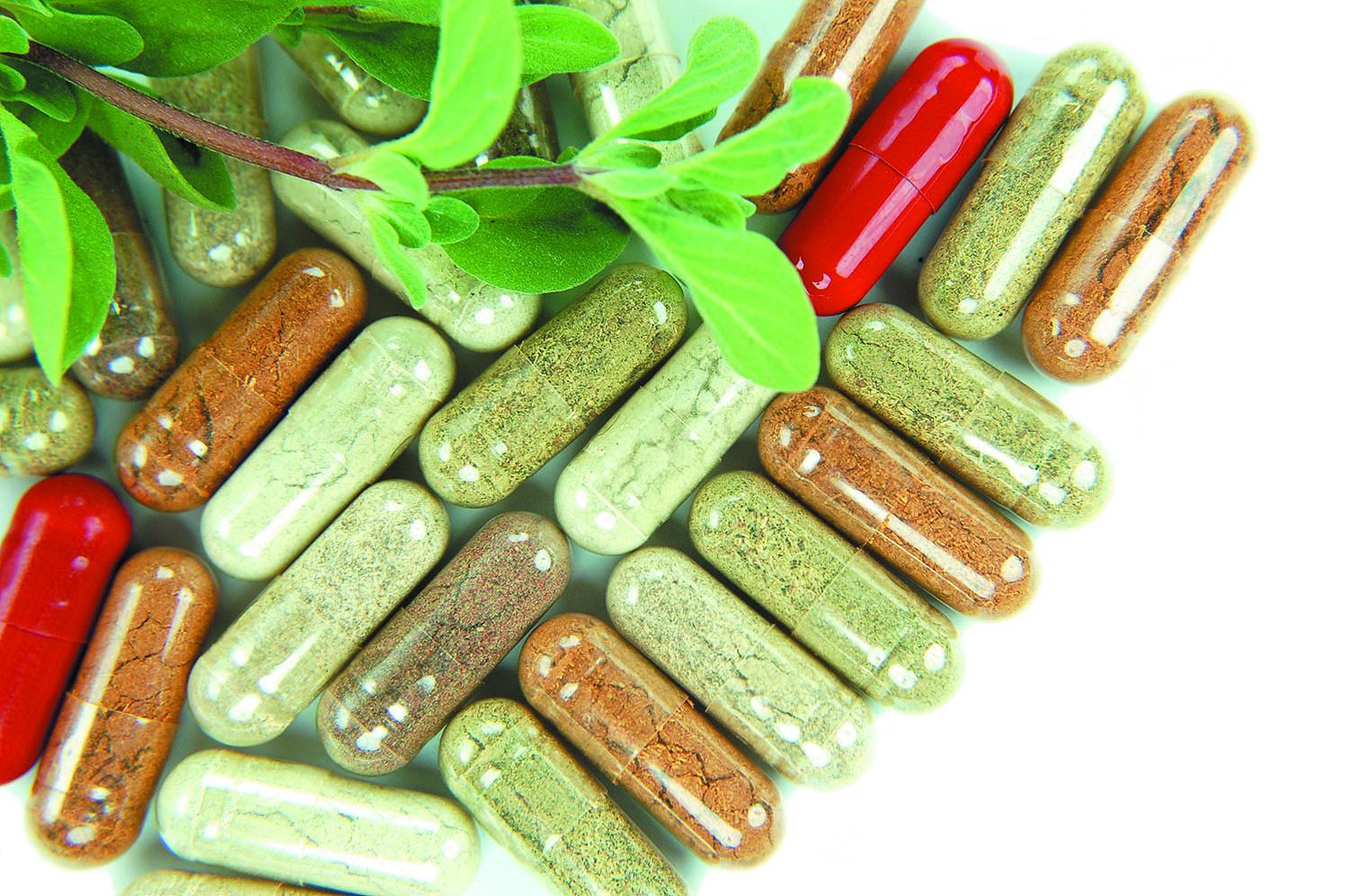
Herbal supplements and your heart: Proceed with caution
Dietary supplements and herbal remedies are big business. Unlike conventional drugs, these products do not undergo extensive testing before they can be sold. Many do not produce the health benefits they promise, and some cases are harmful.

Statin side effects: Is the power of suggestion at play?
Research we're watching
People in drug studies sometimes experience positive effects even when they take inactive, fake pills (the so-called placebo effect). But sometimes, they experience negative effects from the fake drug — a phenomenon known as the nocebo effect. A new study suggests that the nocebo effect may explain some of the muscle pain and weakness reported by people who take cholesterol-lowering statins.
The study, in the May 2, 2017, Lancet, involved more than 10,000 people randomly assigned to take a statin or a placebo. The study was "double blind," meaning neither the participants nor the researchers knew who was taking statins. After about three years, the statin proved effective, and all the participants were offered the choice of taking the drug. Most of them continued in this "unblinded" study for an additional two years, and 65% opted to take the statin.

Can your blood pressure be too low?
Recent findings raise concerns about lowering diastolic blood pressure — the second number in your blood pressure reading — too far.
Image: © Wavebreakmedia/Thinkstock
More of us than ever before are taking medications to lower our blood pressure. Longstanding guidelines suggest that most people should aim for a systolic blood pressure (the first number in a reading) no higher than 140 millimeters of mercury (mm Hg). But in 2015, the results of the Systolic Blood Pressure Intervention Trial (SPRINT) suggested that reaching a target of 120 mm Hg could further reduce the risks associated with high blood pressure, including heart attack, stroke, heart failure, and death.
Yet reaching that lower target often requires three blood pressure medications, which can increase the likelihood of side effects. Two observational studies and one clinical trial have raised concerns about lowering blood pressure — particularly diastolic pressure — too far. Diastolic blood pressure (the second number in a reading) represents the pressure between beats when the heart relaxes. "When your systolic blood pressure gets too low, it can manifest as lightheadedness, fainting, and weakness. But low diastolic pressure by itself doesn't have any symptoms," says Dr. Paul Conlin, professor of medicine at Harvard Medical School and chief of medicine at the VA Boston Healthcare System.
Wrist-worn activity trackers offer inconsistent heart rate data
Research we're watching
Earlier studies have shown that wrist-worn activity trackers can accurately record the number of steps a wearer takes. However, few studies have determined how well they monitor heart rate.
Researchers at the University of Wisconsin in Madison studied four wrist-worn activity trackers — Basis Peak, Fitbit Surge, Fitbit Charge, and Mio Fuse — to determine the accuracy of their heart rate monitoring in 40 healthy women and men ages 30 to 65. The researchers fitted each participant with four trackers—two on each wrist. Using the trackers as well as an ECG machine, the researchers measured the wearers' heart rates at one-minute intervals for 10 minutes while they were sitting. They then repeated the measurements while the participants walked on a treadmill for 10 minutes. When they compared the readings from the ECGs and the trackers, they found that all of the readings were more consistent when the participants were resting than when they exercised.

Fainting: Frightening, but seldom serious
While frightening, fainting is not always serious, though it’s important to be aware that it may be a sign of an underlying problem with the blood vessels or heart.
Reading the current blood pressure guidelines
Oat vs. dairy milk: Nutrition, benefits, and downsides
Microplastics: A hidden health threat?
Healing after food poisoning
What is tempeh? Benefits, nutrition, and how to use it
Light exposure at night may raise risk for heart disease
Whole grains may improve several heart risk factors at once
A lumbar belt may help ease low back pain
Children of centenarians may stay healthier and live longer too, study finds
Signs of pneumonia: Sometimes vague and unexpected
Free Healthbeat Signup
Get the latest in health news delivered to your inbox!
Sign Up
