

CoQ10: Should you take this popular supplement if you're on a statin?

Oat vs. dairy milk: Nutrition, benefits, and downsides

Microplastics: A hidden health threat?

Healing after food poisoning

What is tempeh? Benefits, nutrition, and how to use it

Light exposure at night may raise risk for heart disease

Whole grains may improve several heart risk factors at once

A lumbar belt may help ease low back pain

Children of centenarians may stay healthier and live longer too, study finds

Signs of pneumonia: Sometimes vague and unexpected
Healthy aging and longevity Archive
Articles


Color-changing eye drops: Are they safe?
Eye drops that claim to change a person's eye color are being promoted online, and the ability to do this may sound tempting. But are these products safe? The answer is a hard no according to the American Academy of Ophthalmology.


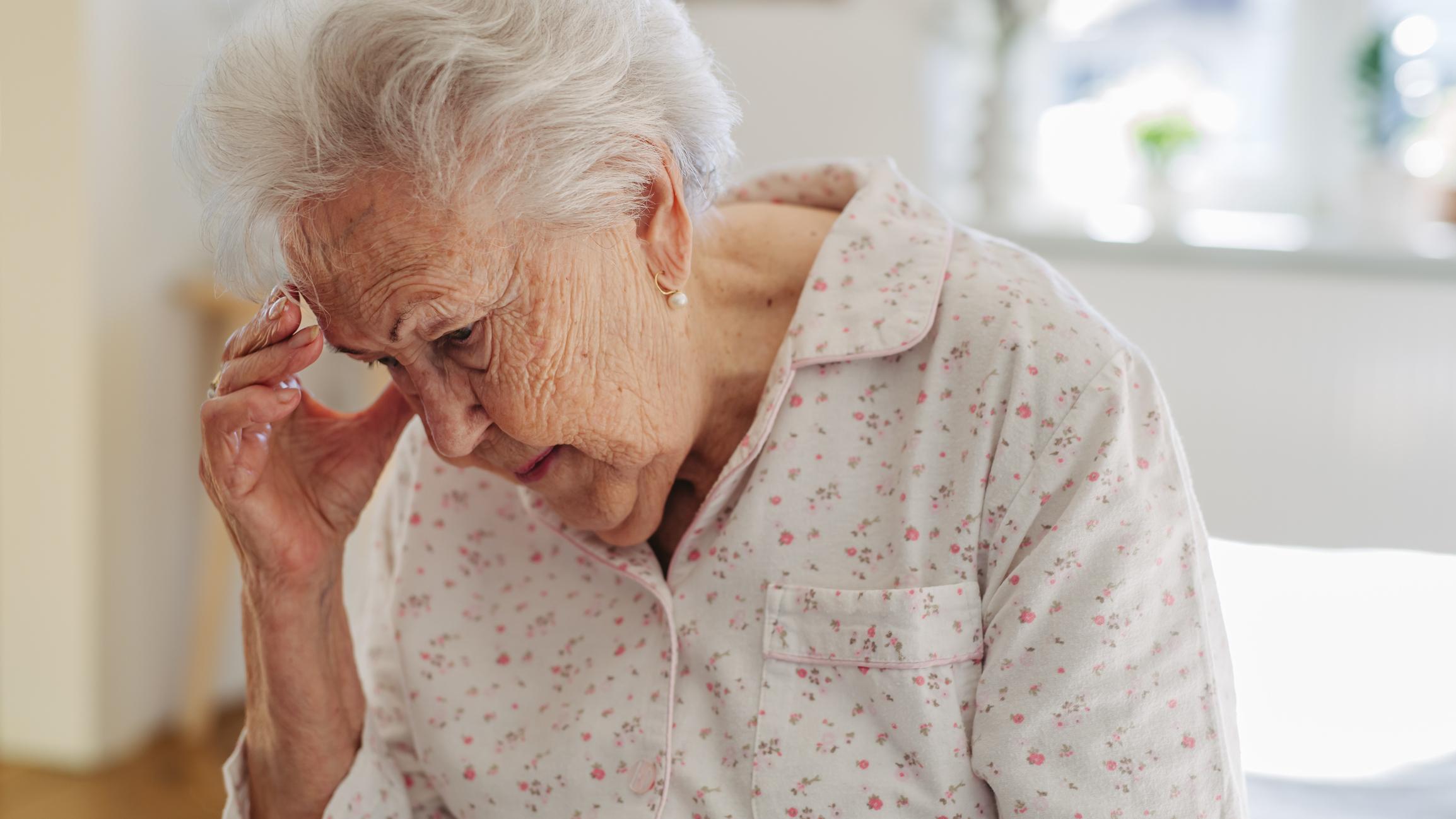


Gratitude linked to longer life and fewer heart-related deaths
A 2024 study suggests that older women with higher scores on tests to assess gratitude may live longer than those with lower scores. Most of this benefit seems to come from preventing deaths from heart disease.

Gardening and yard work: Exercise with a purpose
Many yard and gardening tasks-including raking and mowing -require enough effort to count as moderate-intensity exercise. Chores like digging and bagging leaves also help strengthen muscles. A 2023 study found that gardening helps increase physical activity levels, encourages greater fiber intake, and lowers stress and anxiety-all of which reduce the risk of heart disease.

Chronic loneliness may raise stroke risk
A 2024 study suggests that older adults who are chronically lonely are significantly more likely to have a stroke.

Regular walking can hamper low back pain recurrence
A 2024 study suggested that walking regularly may help stave off repeat episodes of low back pain.
CoQ10: Should you take this popular supplement if you're on a statin?
Oat vs. dairy milk: Nutrition, benefits, and downsides
Microplastics: A hidden health threat?
Healing after food poisoning
What is tempeh? Benefits, nutrition, and how to use it
Light exposure at night may raise risk for heart disease
Whole grains may improve several heart risk factors at once
A lumbar belt may help ease low back pain
Children of centenarians may stay healthier and live longer too, study finds
Signs of pneumonia: Sometimes vague and unexpected
Free Healthbeat Signup
Get the latest in health news delivered to your inbox!
Sign Up
