
CoQ10: Should you take this popular supplement if you're on a statin?

Microplastics: A hidden health threat?

Oat vs. dairy milk: Nutrition, benefits, and downsides

What is tempeh? Benefits, nutrition, and how to use it

Healing after food poisoning

Children of centenarians may stay healthier and live longer too, study finds

Light exposure at night may raise risk for heart disease

Whole grains may improve several heart risk factors at once

A lumbar belt may help ease low back pain

Signs of pneumonia: Sometimes vague and unexpected
Healthy aging and longevity Archive
Articles


Tempted to have genetic testing? First ask why
Several companies promote at-home genetic testing to uncover a range of potential health problems (and, in some cases, ancestry traits). Just how useful is this and how do such tests differ from genetic testing a doctor may recommend for medical reasons?


Shingles vaccine may also reduce stroke risk

Air pollution: How to reduce harm to your health
Some air pollution levels have inched up in recent years, and accumulating evidence suggests that higher levels of particulates in the air are linked with increased levels of hospitalization for many serious health problems. But we can make choices to help both the environment and our health.
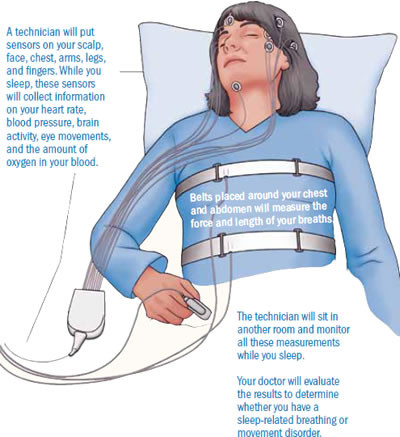
8 reasons why you're not sleeping
Many conditions, including sleep apnea, restless legs syndrome, pain, and stress, can disrupt your rest. Managing these factors and practicing good sleep habits can help you get a better night's rest.

The endocannabinoid system: Essential and mysterious
Though recently discovered, the endocannabinoid system regulates and controls many of our critical bodily functions. Researchers are investigating the ECS's role in learning and memory and in hunger, hoping that these avenues of research may lead to new drug discoveries.

Time to hire a caregiver? 3 tips to help

Can wearing contacts harm your vision?
Millions of people wear contact lenses, and with proper use and care they are very safe. However, sleeping with lenses in that are not specifically intended for extended wear can increase the risk of infection in the eye's cornea.

Vegan and paleo: Pluses and minuses to watch
Strict vegan and paleo eating patterns seem to be at opposite ends of the diet spectrum. Both can offer health benefits, though it's wise to understand the nutritional gaps left by each approach due to excluded food groups and consider five principles that will make any eating plan you choose nutritionally sound.
CoQ10: Should you take this popular supplement if you're on a statin?
Microplastics: A hidden health threat?
Oat vs. dairy milk: Nutrition, benefits, and downsides
What is tempeh? Benefits, nutrition, and how to use it
Healing after food poisoning
Children of centenarians may stay healthier and live longer too, study finds
Light exposure at night may raise risk for heart disease
Whole grains may improve several heart risk factors at once
A lumbar belt may help ease low back pain
Signs of pneumonia: Sometimes vague and unexpected
Free Healthbeat Signup
Get the latest in health news delivered to your inbox!
Sign Up
