

CoQ10: Should you take this popular supplement if you're on a statin?

Microplastics: A hidden health threat?

Oat vs. dairy milk: Nutrition, benefits, and downsides

What is tempeh? Benefits, nutrition, and how to use it

Healing after food poisoning

Children of centenarians may stay healthier and live longer too, study finds

Light exposure at night may raise risk for heart disease

Whole grains may improve several heart risk factors at once

A lumbar belt may help ease low back pain

Signs of pneumonia: Sometimes vague and unexpected
Healthy aging and longevity Archive
Articles
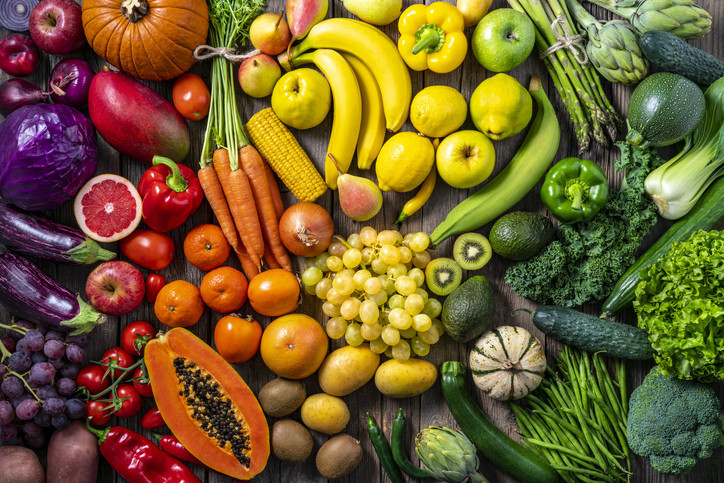
Can flavonoids help fend off forgetfulness?
Eating a broad variety of fruits and vegetables is a good way to get a sufficient intake of flavonoids, chemicals that contribute to many aspects of health. Now, a study suggests that flavonoid-rich foods may also play a role in protecting memory and thinking as people get older.

Long-lasting healthy changes: Doable and worthwhile
Abundant research shows that healthy lifestyle factors protect people against serious health problems like diabetes, high blood pressure, heart disease, stroke, cancer, and more. Even small steps toward a healthier lifestyle can make a big difference in our lives––here's practical advice for making healthy changes stick.
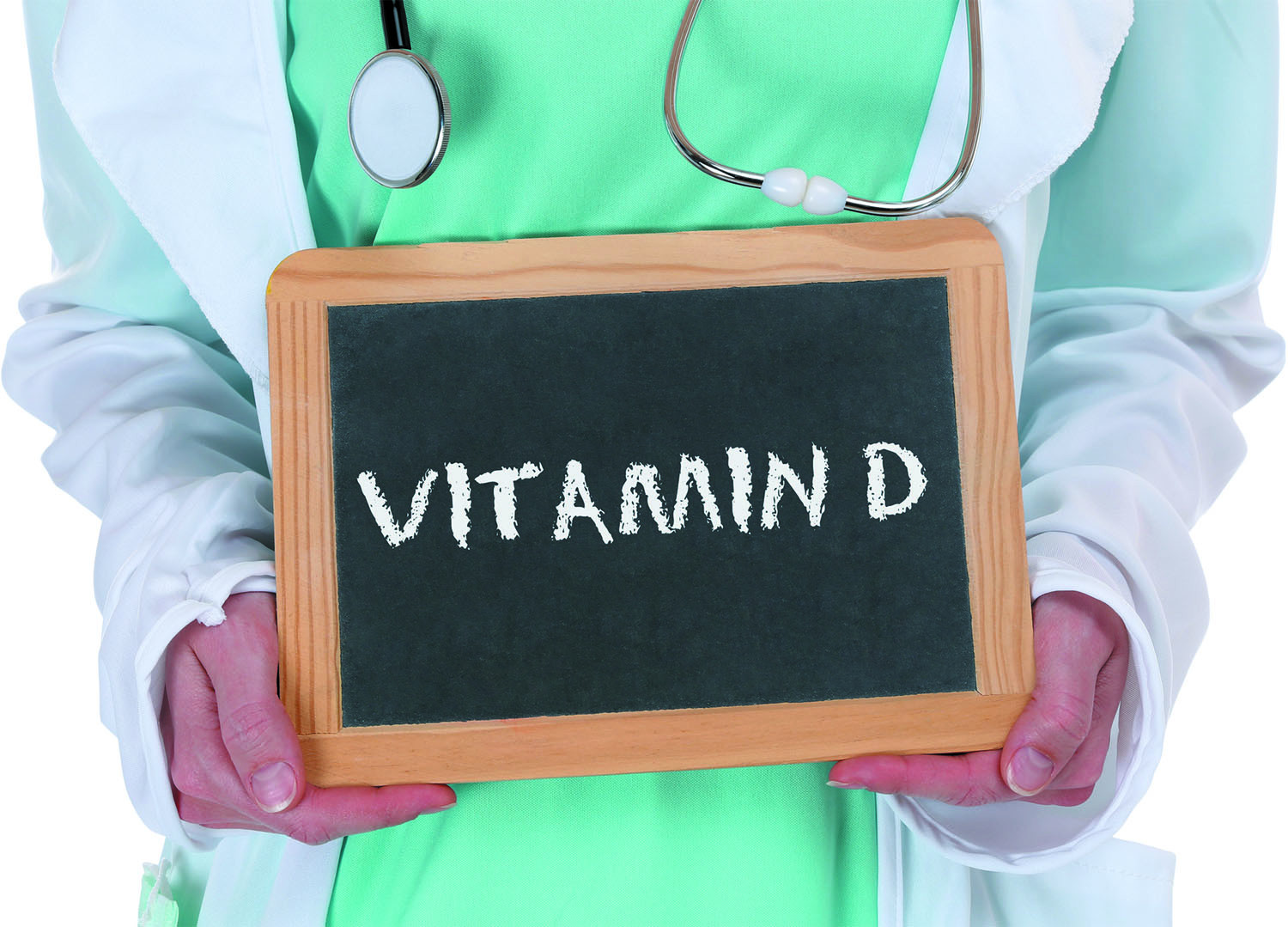
Vitamin D and your health: Breaking old rules, raising new hopes
Vitamin D's primary function is to help the body absorb calcium, though it may also protect against prostate cancer and other diseases. Many people do not get enough from sunlight, its natural source, and should get the needed amount via a supplement.


Music and health
Researchers are exploring the many ways in which music may influence health, from stress relief to athletic performance.
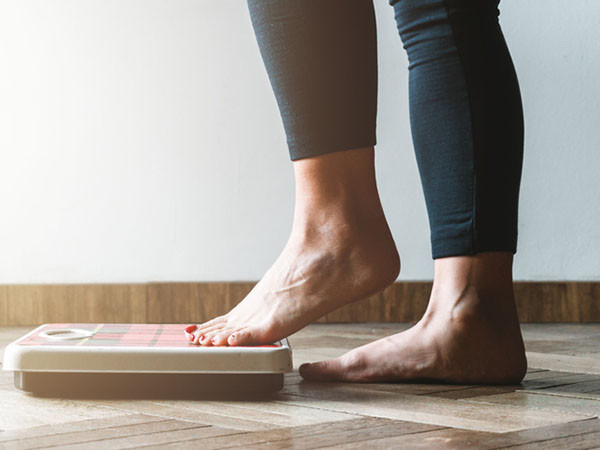
A new treatment for obesity
A new medication for the treatment of obesity has been approved by the FDA, and it received significant media attention in the months leading up to its approval. A high-dose injectable hormone, it already existed in a different form as a treatment for type 2 diabetes, but in this form and dosage it has advantages over other available weight-loss medications, as well as its own potential risks.

Grandparenting: Ready to move for family?
The desire to be closer to children and grandchildren leads many older adults to consider relocating to different parts of the country. But such a move is not possible for everyone, and not advisable for some. Before exploring relocation, take time to consider the all implications — as well as your children's feelings on the subject.

Mobile health and fitness apps pose privacy risks

Waking up one hour earlier than usual may reduce depression risk

How can I help my partner with dementia who resists help?
Caring for someone can be stressful, and this can be even more challenging if a loved one is not ready to accept help. Caregivers who find themselves in this situation should take steps to enlist others' help to ease their burden and should take time for themselves to reduce their stress levels and protect their mental health.
CoQ10: Should you take this popular supplement if you're on a statin?
Microplastics: A hidden health threat?
Oat vs. dairy milk: Nutrition, benefits, and downsides
What is tempeh? Benefits, nutrition, and how to use it
Healing after food poisoning
Children of centenarians may stay healthier and live longer too, study finds
Light exposure at night may raise risk for heart disease
Whole grains may improve several heart risk factors at once
A lumbar belt may help ease low back pain
Signs of pneumonia: Sometimes vague and unexpected
Free Healthbeat Signup
Get the latest in health news delivered to your inbox!
Sign Up
