

Reading the current blood pressure guidelines

Oat vs. dairy milk: Nutrition, benefits, and downsides

Microplastics: A hidden health threat?

Healing after food poisoning

What is tempeh? Benefits, nutrition, and how to use it

Light exposure at night may raise risk for heart disease

Whole grains may improve several heart risk factors at once

A lumbar belt may help ease low back pain

Children of centenarians may stay healthier and live longer too, study finds

Signs of pneumonia: Sometimes vague and unexpected
Headache and migraine Archive
Articles

Digital overload: Coping with the stress of screen time and other digital demands as we get older
Many older adults feel they can’t keep up with the deluge of apps, texts, emails, patient portals, social media, and video calls that are now part of everyday life. Age-related brain changes can make digital overload more challenging, and too much screen time can affect physical and mental health.

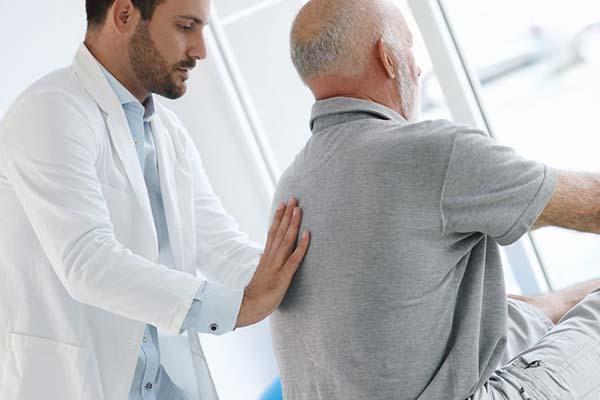
Physical therapy provides modest improvement for chronic low back pain
Sometimes low back pain becomes a chronic problem, lasting more than three months. This can be difficult to treat. A 2026 study of 749 adults with chronic low back pain found that treatment with physical therapy provided modest benefits over cognitive behavioral therapy.

Treating high blood pressure may help lower risk of cognitive decline
People who aggressively lower their high blood pressure not only help their heart health, but also may protect their brains from cognitive decline in the process, according to a 2025 study.

Bridging the gap: Dementia communication strategies
Communicating with someone with dementia can be tricky, since their ability to understand others and express themselves fluctuates and declines. Certain communication strategies can help smooth interactions between caregivers and dementia patients. They include being an active listener, avoiding confrontation, agreeing with the patient's reality, removing distractions, using shorter sentences and smaller words, asking yes-or-no questions, using written lists and schedules, and incorporating touch.
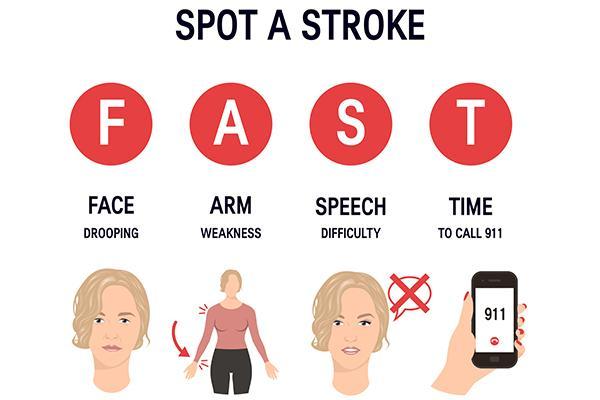
When a stroke strikes: What to expect at the emergency room
Recent advances in caring for people with strokes include expanded access to medications and clot removal procedures. In certain cases, these therapies may be done up to 24 hours after stroke symptoms first appear.

Dementia: Coping with common, sometimes distressing behaviors
Dementia poses many challenges, both for people struggling with it and for those close to them. Understanding common behaviors and learning to handle situations that arise can help families and caregivers.
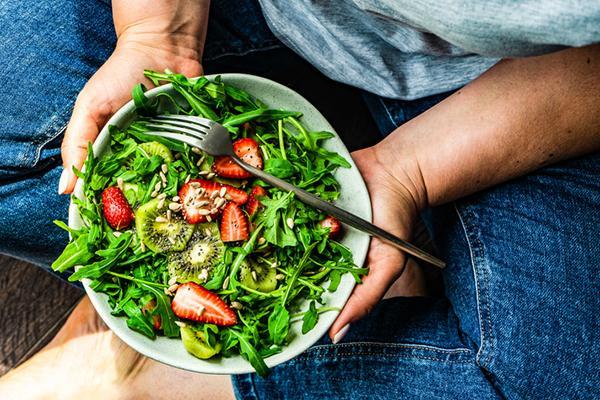
MIND diet may slow age-related brain changes
A long-running study found that closely following the MIND Diet was linked with significantly slower age-related brain changes, including 20% less shrinkage in grey matter—equivalent to slowing brain aging by 2.5 years. However, it’s not known if these changes translate to better brain function.
Can you have Alzheimer's without symptoms?
More than 30% of adults over 70 have amyloid or tau (proteins implicated in the development of Alzheimer’s disease) in their brains yet have no apparent cognitive problems. This may indicate greater cognitive reserve, the brain’s ability to compensate for damage.

Do we feel pain more at night?
Chronic pain typically fluctuates during the day and some research suggests that it worsens at night, potentially interfering with sleep. If pain keeps you awake at night, trying these strategies may help you sleep better.
Reading the current blood pressure guidelines
Oat vs. dairy milk: Nutrition, benefits, and downsides
Microplastics: A hidden health threat?
Healing after food poisoning
What is tempeh? Benefits, nutrition, and how to use it
Light exposure at night may raise risk for heart disease
Whole grains may improve several heart risk factors at once
A lumbar belt may help ease low back pain
Children of centenarians may stay healthier and live longer too, study finds
Signs of pneumonia: Sometimes vague and unexpected
Free Healthbeat Signup
Get the latest in health news delivered to your inbox!
Sign Up
