










When a stroke strikes: What to expect at the emergency room
Bleeding or a blood clot in the brain can cause a stroke. Here's a rundown of the likely chain of events after you call 911.
- Reviewed by Kori Sauser Zachrison, MD, MSc, Contributor
Recent advances in caring for people with strokes include expanded access to medications and clot removal procedures. In certain cases, these therapies may be done up to 24 hours after stroke symptoms first appear.
To continue reading this article, you must log in.
Source matters. Subscribe to HarvardHealthOnline+ for as low as $4.99 a month for unlimited access to the site – where all content is reviewed by an HMS physician or faculty expert.
With HHO+ you get these exclusive benefits:
- Unlimited access to all Harvard Health Online content
- 4 expertly curated newsletters delivered monthly
- Customized website experience aligned to your health goals
- In-depth health guides on topics like sleep, exercise, and more
- Interactive features like videos and quizzes
- Members-only access to exclusive articles and resources
SPECIAL OFFER! UNLOCK EXPERT ACCESS for just $4.99 per month!
Already a member? Login ».
About the Author

Julie Corliss, Executive Editor, Harvard Heart Letter
About the Reviewer
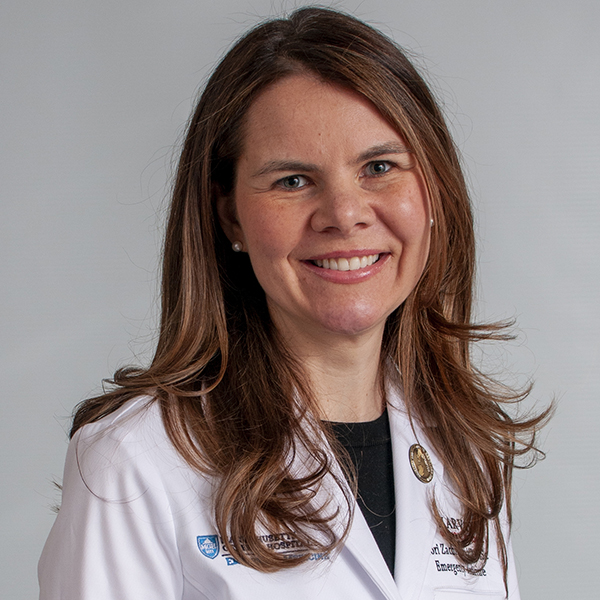
Kori Sauser Zachrison, MD, MSc, Contributor
Disclaimer:
As a service to our readers, Harvard Health Publishing provides access to our library of archived content. Please note the date of last review or update on all articles.
No content on this site, regardless of date, should ever be used as a substitute for direct medical advice from your doctor or other qualified clinician.


