

Reading the current blood pressure guidelines

Oat vs. dairy milk: Nutrition, benefits, and downsides

Microplastics: A hidden health threat?

Healing after food poisoning

What is tempeh? Benefits, nutrition, and how to use it

Light exposure at night may raise risk for heart disease

Whole grains may improve several heart risk factors at once

A lumbar belt may help ease low back pain

Children of centenarians may stay healthier and live longer too, study finds

Signs of pneumonia: Sometimes vague and unexpected
Headache and migraine Archive
Articles

Which specialist should you see for suspected thoracic outlet syndrome?
Suspected thoracic outlet syndrome can resemble other conditions, so careful evaluation helps determine which specialist and treatment are appropriate.

What can cause flashes of light in your vision?
Flashes of light may be harmless, but some patterns deserve prompt medical attention.

Self-directed cognitive behavioral therapy may help alleviate chronic pain
A 2026 study of adults with chronic musculoskeletal pain found that a largely self-directed cognitive behavioral therapy (CBT) program was slightly more effective than traditional clinician-delivered CBT in relieving chronic pain.

Are circles of light a common migraine symptom?
Transparent circles or other visual changes can appear before migraine pain. Find out what these symptoms may mean and what to discuss with your doctor.
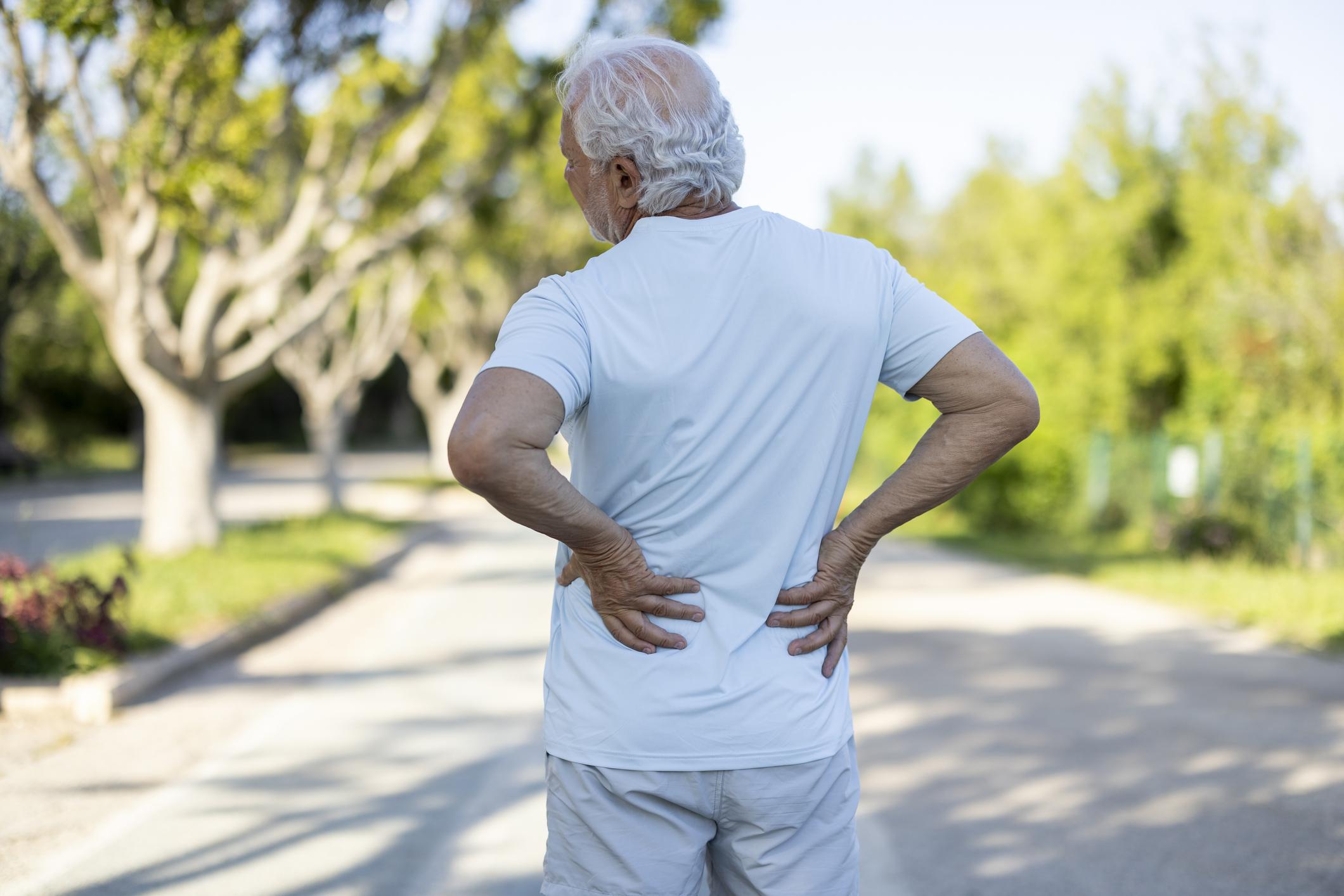
Sciatica 101 Quiz: How much do you really know?
How much do you really know about sciatica—the type of back and leg pain that can stop you in your tracks? Many people live with aches, tingling, or shooting pain down the leg without fully understanding what’s behind it, how it’s treated, or when it’s time to call a doctor.

Fast-walking "super-movers" may have sharper brains as they age
A 2026 study found that older “super-movers”—adults 80 and older who walk significantly faster than their peers—were substantially less likely than slower walkers to develop cognitive impairment and had larger memory-related brain regions, suggesting that brisk walking speed may signal, or even support, healthier brain aging.

Can a neck artery tear after head or neck trauma lead to a stroke?
Head or neck trauma can sometimes damage key arteries supplying the brain. Find out how this rare injury might trigger a stroke in younger adults.


Could there be a connection between obesity, depression, and fibromyalgia?
Many people with fibromyalgia also struggle with mood changes and extra weight. Research suggests links, but which comes first remains unclear.

Are fibromyalgia and irritable bowel syndrome linked?
Many people live with both IBS and fibromyalgia, facing gut issues plus ongoing pain and fatigue. Doctors suspect a connection, but it’s not yet clear how the two are linked.
Reading the current blood pressure guidelines
Oat vs. dairy milk: Nutrition, benefits, and downsides
Microplastics: A hidden health threat?
Healing after food poisoning
What is tempeh? Benefits, nutrition, and how to use it
Light exposure at night may raise risk for heart disease
Whole grains may improve several heart risk factors at once
A lumbar belt may help ease low back pain
Children of centenarians may stay healthier and live longer too, study finds
Signs of pneumonia: Sometimes vague and unexpected
Free Healthbeat Signup
Get the latest in health news delivered to your inbox!
Sign Up
