

Reading the current blood pressure guidelines

Oat vs. dairy milk: Nutrition, benefits, and downsides

Microplastics: A hidden health threat?

Healing after food poisoning

What is tempeh? Benefits, nutrition, and how to use it

Light exposure at night may raise risk for heart disease

Whole grains may improve several heart risk factors at once

A lumbar belt may help ease low back pain

Children of centenarians may stay healthier and live longer too, study finds

Signs of pneumonia: Sometimes vague and unexpected
Headache and migraine Archive
Articles
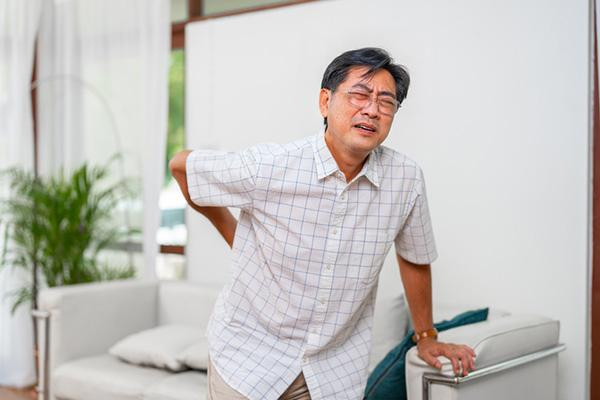
When do I need an imaging test for my back pain?
An x-ray, CT scan, or MRI is usually not needed for addressing low back pain unless people have other symptoms or risk factors for a serious condition. Short-term rest, heat or cold, and over-the-counter medication can ease discomfort until the back pain goes away.

Chronic insomnia may raise the risk of cognitive decline
People who suffer from chronic insomnia are more likely to develop cognitive problems and score lower on thinking and memory tests compared with individuals without chronic insomnia, a 2025 study suggests.

Maintaining a sense of purpose in later life may protect against dementia
In a 2025 study, adults 45 and older with a strong sense of purpose were 28% less likely to develop cognitive impairment or dementia compared with individuals who had a low sense of purpose.

Mediterranean diet may lower risk of Alzheimer's disease in people with high-risk genes
A 2025 study of over 5,600 women and men followed for over 30 years found that following a Mediterranean diet may reduce the risk of Alzheimer's disease and improve cognitive function. The effect is strongest in people who carry two copies of the Alzheimer's risk gene APOE4.
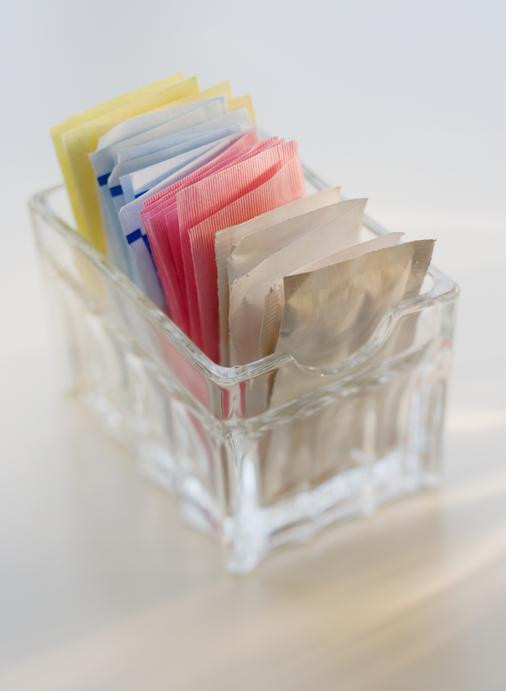
Artificial sweeteners may speed declines in memory and thinking
A 2025 study suggested that consuming larger amounts of artificial sweeteners such as aspartame and xylitol may be linked to faster declines in memory and thinking skills.

Managing chronic back pain
Chronic back pain (pain that lasts more than 12 weeks) can be more challenging to diagnose and treat compared to short-term pain from an injury. The first-line approach is conservative treatment, such as over-the-counter pain medication, physical therapy, and lifestyle changes. However, sometimes these are not enough, and advanced methods are needed. Depending on the source of chronic back pain, these can include stronger prescription medication, corticosteroid injections, and surgery.

Peace of mind, or panic?
The vast majority of older adults would want to know if they're in the early stages of Alzheimer's disease and would want a blood test to learn for certain, according to a 2025 poll. Advances in testing and treatment may fuel this desire for knowledge. There are pros and cons to knowing this information. People with an early Alzheimer's diagnosis can plan ahead, seek support, and may feel motivated to maintain their health. But the diagnosis may jeopardize their job or insurance coverage, as well as trigger anxiety or depression.

Walking tied to less back pain
A 2025 study of more than 11,000 people (average age 55), followed for about four years, those who walked more than 100 minutes a day had a 23% lower risk of chronic low back pain, compared with people who walked less than 78 minutes per day.
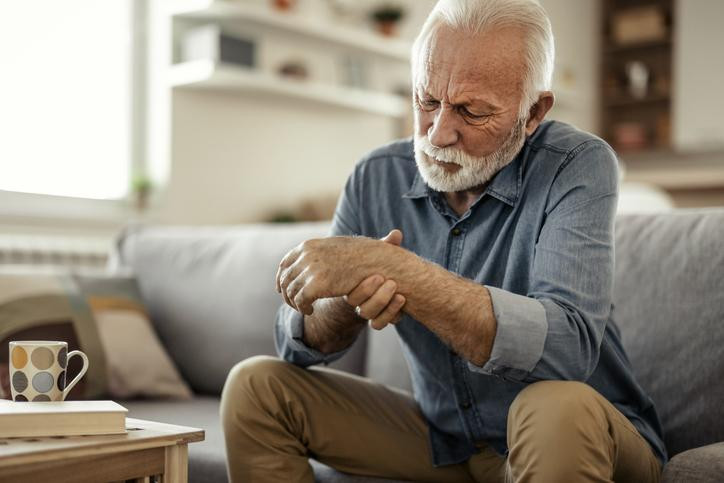
Analysis highlights best treatments for neuropathic pain
A 2025 analysis found that tricyclic antidepressants, the anticonvulsants gabapentin (Neurontin) and pregabalin (Lyrica), and serotonin-norepinephrine reuptake inhibitors, such as duloxetine (Cymbalta) were the most effective drug treatments for neuropathic pain.
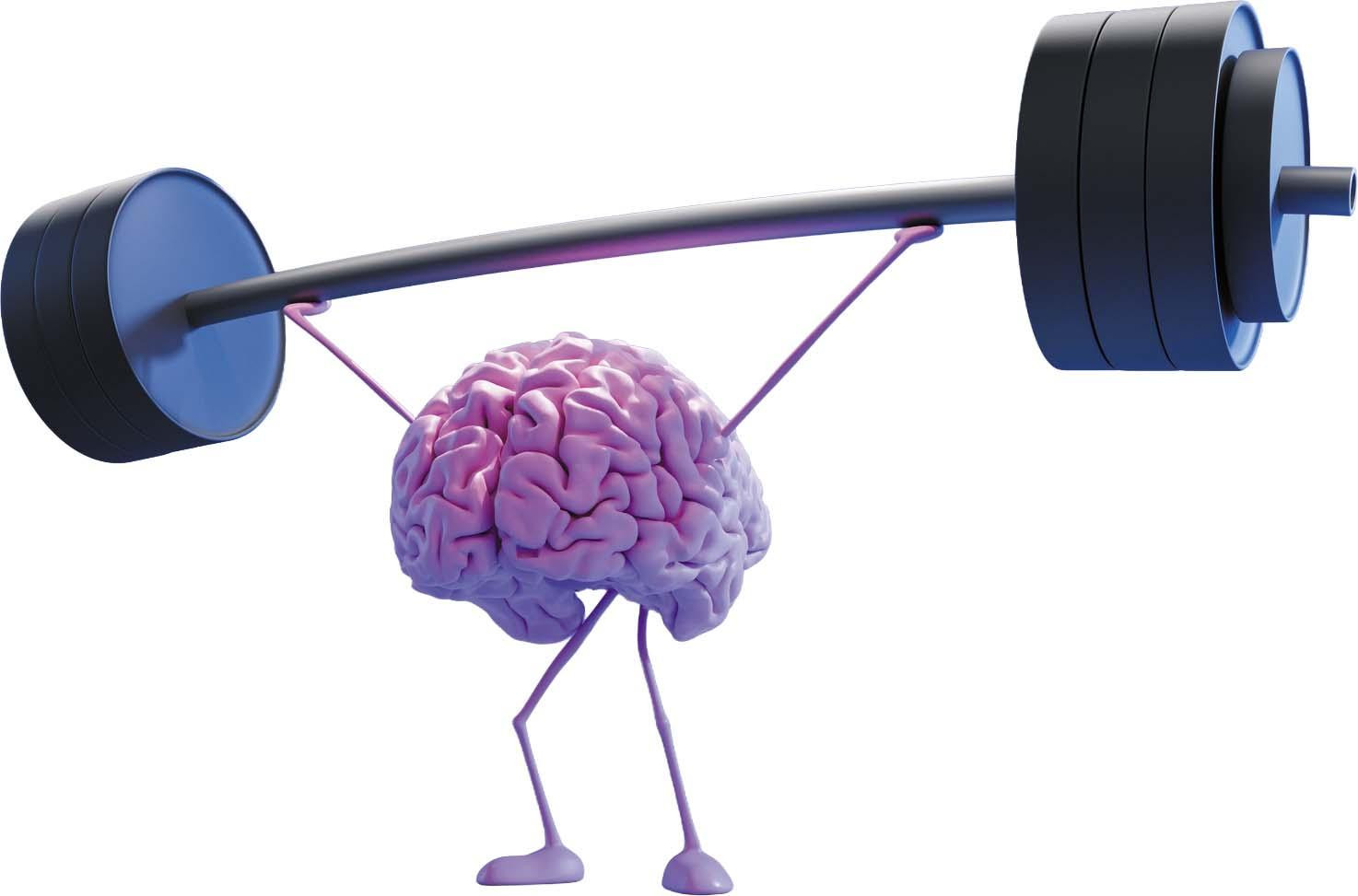
Stroke odds lower for women with higher brain health scores
A 2025 study suggests that women who score highly on a brain health measurement incorporating physical, lifestyle, social, and emotional factors face lower stroke odds.
Reading the current blood pressure guidelines
Oat vs. dairy milk: Nutrition, benefits, and downsides
Microplastics: A hidden health threat?
Healing after food poisoning
What is tempeh? Benefits, nutrition, and how to use it
Light exposure at night may raise risk for heart disease
Whole grains may improve several heart risk factors at once
A lumbar belt may help ease low back pain
Children of centenarians may stay healthier and live longer too, study finds
Signs of pneumonia: Sometimes vague and unexpected
Free Healthbeat Signup
Get the latest in health news delivered to your inbox!
Sign Up
