

Whole grains may improve several heart risk factors at once

Light exposure at night may raise risk for heart disease

Children of centenarians may stay healthier and live longer too, study finds

A lumbar belt may help ease low back pain

Signs of pneumonia: Sometimes vague and unexpected

The surprising link between ovarian cancer and the fallopian tubes

Using a vibration plate: What it can — and can't — do for your body

People who walk more or walk faster live longer, study finds

Rosacea treatments: What works?

For sleep apnea, a dental device may be as effective as CPAP
Exercise and Fitness Archive
Articles

Cancer concerns from everyday products
Some products people use daily have been associated with increased cancer risks. Examples are aspartame, nonstick cookware, mattresses, cleaning products, and personal care products. While evidence is mixed, most consumer products confer low cancer risks, if any. People who are concerned about exposure to these common products should find alternatives. People can also reduce their overall cancer risks by stopping smoking, avoiding alcohol, exercising, and maintaining a healthy weight.

Try this: Get jumping with plyometrics
Jumping rope is an ideal plyometric exercise that helps improve coordination, agility, and flexibility and offers an excellent heart-pumping workout.

Why women take the fall
Falls are the leading cause of injuries and accidental deaths among Americans 65 and older. Women fall more often than men and are far more likely to show up at an emergency room because of a fall. Women are especially vulnerable to falling due to weaker bones, lower muscle mass, higher rates of incontinence and antidepressant use, and a tendency to multitask. People can reduce their fall risk by doing strength and balance exercises, getting regular vision and hearing exams, reviewing their medications, and keeping floors clutter-free.


Can watching sports be bad for your health?
Can watching sports -- not just the rough and tumble of playing them -- be harmful to your health? Whether you're at a live event or clicking through channels, it may be riskier than you think when weather, stress, and racing heart rates are factored in. Here's a game day plan that can help.


Seeking fitspiration on social media?
Fitspiration describes social media posts intended to inspire physical fitness and promote health. But is this type of motivation helpful? A recent study looked deeper into the trend.

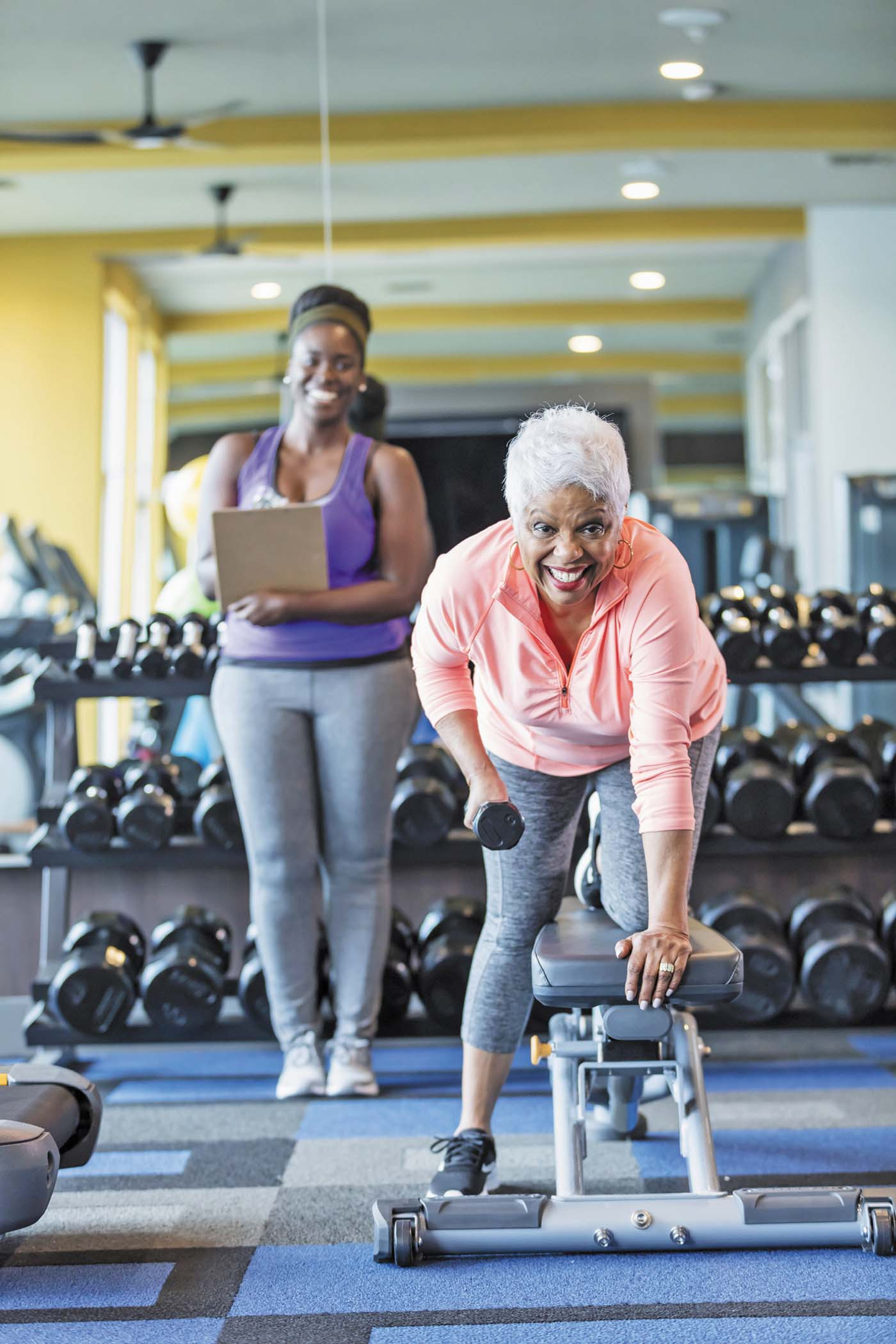
7 things your personal trainer wants you to know
It takes more than a weekly session with a personal trainer to maximize exercise benefits. Personal trainers recommend that people exercise in between training sessions; do strength training at the beginning of a workout; alternate the muscle groups that get a workout; challenge each muscle group with a variety of exercises; stretch regularly; eat a healthy diet to fuel the body; and exercise purposefully, with a strategic approach that moves them closer to their exercise goals.

Everyday activities count as exercise, but intensity matters
In a 2023 study, people who did bouts of daily activities, such as taking stairs, mopping the floor, and gardening, that lasted from one to 10 minutes had a lower risk for heart attacks and strokes compared with those who were active for less than a minute.
Whole grains may improve several heart risk factors at once
Light exposure at night may raise risk for heart disease
Children of centenarians may stay healthier and live longer too, study finds
A lumbar belt may help ease low back pain
Signs of pneumonia: Sometimes vague and unexpected
The surprising link between ovarian cancer and the fallopian tubes
Using a vibration plate: What it can — and can't — do for your body
People who walk more or walk faster live longer, study finds
Rosacea treatments: What works?
For sleep apnea, a dental device may be as effective as CPAP
Free Healthbeat Signup
Get the latest in health news delivered to your inbox!
Sign Up
