

Signs of pneumonia: Sometimes vague and unexpected

The surprising link between ovarian cancer and the fallopian tubes

Using a vibration plate: What it can — and can't — do for your body

People who walk more or walk faster live longer, study finds

Rosacea treatments: What works?

For sleep apnea, a dental device may be as effective as CPAP

Carb cycling: What is it, and does it work?

Understanding orthorexia: Have your healthy eating goals gone too far?

Melatonin or magnesium: Can either supplement help you sleep?

Salmonella, E. coli, Cyclospora, and other germs that cause food poisoning: What you need to know
Exercise and Fitness Archive
Articles
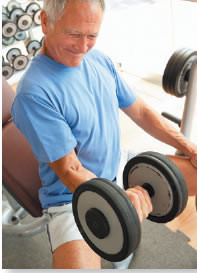
Add weight training to control belly fat, say Harvard researchers
Images: Thinkstock |
Aerobic exercise is not enough to fight belly fat, according to researchers at the Harvard School of Public Health. They say that weight training is also key to fighting the battle of the bulge. Researchers analyzed physical activity, weight, and waist circumference data for more than 10,000 men ages 40 and older, and found that healthy men who did 20 minutes of daily weight training had less of an increase in age-related abdominal fat compared with men who spent the same amount of time doing aerobic activities. Aerobic exercise alone was associated with less weight gain compared with weight training. The best results came from combining weight training and aerobic activity. The findings were published online Dec. 22, 2014, in Obesity. "Engaging in weight training or, ideally, combining it with aerobic exercise could help older adults lessen abdominal fat while increasing or preserving muscle mass," says Dr. Rania Mekary, the study's lead author and a researcher in Harvard's Department of Nutrition.
Abdominal fat is linked to heart disease, diabetes, bone loss, and decreased bone strength. You can fight back by aiming for the recommended 150 minutes of moderate-intensity exercise per week and starting a weight-training program if your doctor approves.

Balance and strength exercises may help reduce falls
It appears that exercise may significantly reduce falls among people with less severe PD, and may improve balance and quality of life for anyone with PD.

Gentler exercise for mind and body is best for sleep
Image: Thinkstock |
Just as regular exercise has a host of health benefits for the body, staying mentally active appears to preserve memory and general sharpness. But for getting a good night's sleep, light workouts for both body and brain may be best, according to a study in the Journal of the American Geriatrics Society.
The study focused on 72 people, ages 67 to 79, who reported poor sleep as well as declining mental sharpness. They were assigned at random to do either strenuous aerobic exercise or a gentler stretching routine, paired with either watching educational DVDs (followed by short quizzes) or engaging in more demanding computer-based brain training.

For joggers, less may be more
Jogging is one of those activities that seems to embody the concept of healthy physical activity. A new study from Denmark may prompt a rethinking of the benefits of strenuous jogging. Researchers with the ongoing Copenhagen City Heart Study found that, compared to healthy but inactive non-joggers, the death rate of light joggers was 90% lower. No surprise there. But the death rate for strenuous joggers was no different than that of sedentary non-joggers. In this study, the most beneficial exercise was jogging at a slow or moderate pace two to three times a week for a total of 60 to 145 minutes. This one study certainly shouldn’t change the current recommendations for physical activity. But it helps debunk the “no pain, no gain” myth of exercise and supports the idea that any activity is better than none—but there may be an upper limit.

Being part of a walking group yields wide-ranging health benefits
If you are a sociable soul, here’s some interesting news about exercising with others: A study published online in the British Journal of Sports Medicine shows that being part of an outdoor walking group can improve health in many ways, including improvements in blood pressure, resting heart rate, total cholesterol, body weight, body fat, physical functioning, and risk of depression. In addition, people who were part of a walking group tended to keep exercising and not slack off. The findings are interesting because walking group participants reaped health benefits even though many of the groups did not meet international guidelines for moderate activity. This supports the idea that any activity is better than none.
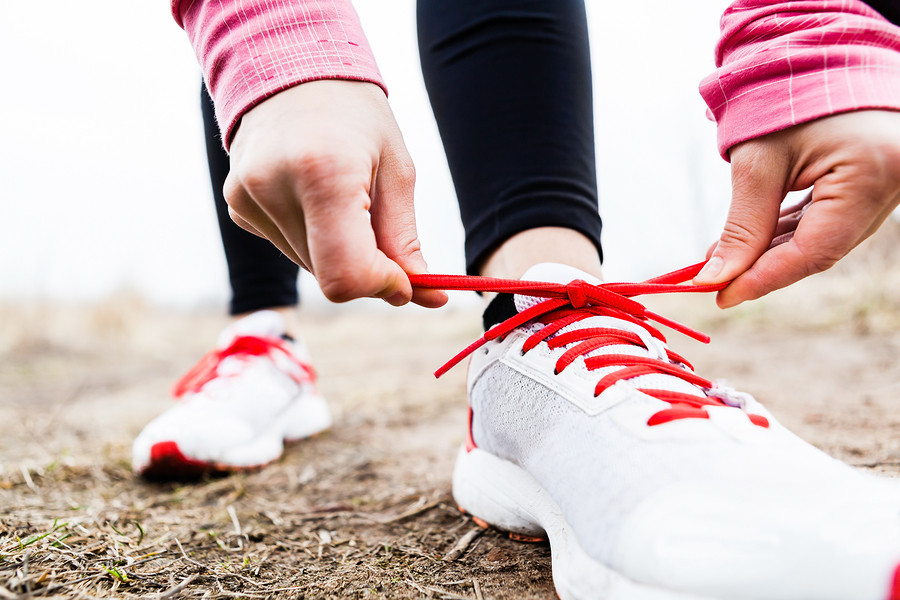
Some exercise beats none; more is better
The standard recommendation for exercise is at least 150 minutes of moderate-intensity activity each week. But that may not be the best recommendation for everyone, especially those who are older and have trouble exercising, or those who don’t exercise at all. If we think of exercise as a spectrum, with no activity on one end and 150 minutes or more a week on the other end, there’s a continuum in between. Getting individuals to move along that continuum, from no exercise to a little, a little to more, and so on, is an important goal. New research on the hazards of sitting for prolonged periods should get all of us to sit less and stand or move more.
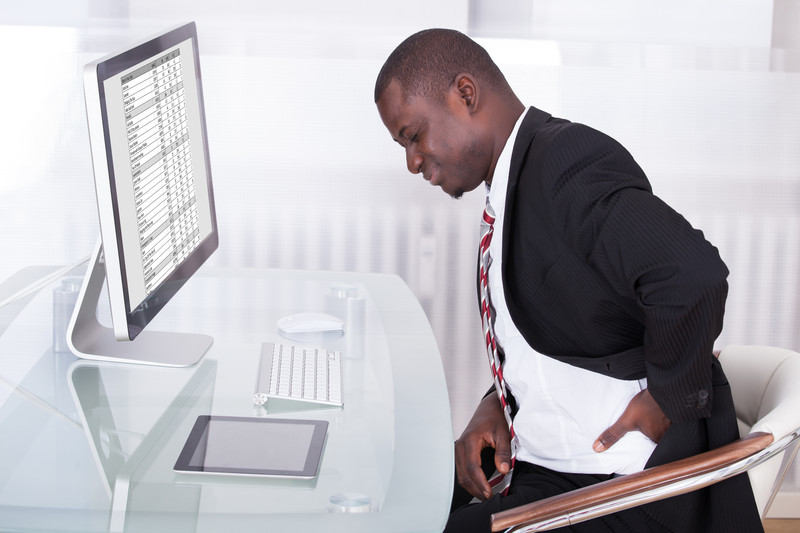
Too much sitting linked to heart disease, diabetes, premature death
More than half of the average person’s waking hours are spent sitting: watching television, working at a computer, commuting, or doing other physically inactive pursuits. But all that sitting could be sending some to an early grave. That’s the conclusion of a Canadian study published in this week’s Annals of Internal Medicine. People in the study who sat for prolonged periods of time had a higher risk of dying from all causes — even those who exercised regularly. The negative effects were even more pronounced in people who did little or no exercise. In addition to premature death, the study documented higher rates of type 2 diabetes, cancer, and cancer-related deaths in very sedentary people. If you sit for work, try standing or moving around for one to three minutes every half hour. Better yet, think about working at a standing desk. At home, stand when watching TV or talking on the phone.

Take your workout to the pool
Image: Thinkstock Many "Y"s and tness centers have water classes. |
Even if you don't swim, exercising in the water can improve your strength, balance, and cardiovascular fitness. And it's easier on your joints.
Quick start strength training program
Quick-start strength-training program
Work out at home or in your office to improve muscle mass.
Muscle mass tends to diminish with age, so making strength training part of your overall exercise regimen is very important. And while many people assume that effective strength-training programs require joining expensive fitness clubs and lifting heavy weights, there are plenty of strength-building exercises you can do at home and at work with little or no special equipment. "You really can strength train without the big machines and get effective results, without spending a lot of money," says Elissa Huber-Anderson, a physical therapist at Harvard-a-ffiliated Massachusetts General Hospital.
How to start exercising if you're out of shape
Try some low-impact activities to ease into an exercise routine.
You know that regular exercise is good for your heart. But only about half of American adults manage the 2.5 hours per week of moderate exercise (such as brisk walking) recommended by the federal physical activity guidelines. Being too busy is a common excuse, but there are bona fide reasons for not exercising. If you're recovering from a heart attack, are overweight, or are simply out of shape, 30 minutes of exercise a day may feel out of reach.
Signs of pneumonia: Sometimes vague and unexpected
The surprising link between ovarian cancer and the fallopian tubes
Using a vibration plate: What it can — and can't — do for your body
People who walk more or walk faster live longer, study finds
Rosacea treatments: What works?
For sleep apnea, a dental device may be as effective as CPAP
Carb cycling: What is it, and does it work?
Understanding orthorexia: Have your healthy eating goals gone too far?
Melatonin or magnesium: Can either supplement help you sleep?
Salmonella, E. coli, Cyclospora, and other germs that cause food poisoning: What you need to know
Free Healthbeat Signup
Get the latest in health news delivered to your inbox!
Sign Up
