

Light exposure at night may raise risk for heart disease

Whole grains may improve several heart risk factors at once

A lumbar belt may help ease low back pain

Children of centenarians may stay healthier and live longer too, study finds

Signs of pneumonia: Sometimes vague and unexpected

The surprising link between ovarian cancer and the fallopian tubes

Using a vibration plate: What it can — and can't — do for your body

People who walk more or walk faster live longer, study finds

For sleep apnea, a dental device may be as effective as CPAP

Rosacea treatments: What works?
Energy and Fatigue Archive
Articles

Don't worry about sudden cardiac arrest during exercise
Getting regular exercise is the best way to prevent most types of heart disease—including sudden cardiac arrest. Images: Thinkstock |
New findings may help allay fears about sports-related heart death.

Tests for hidden heart disease
Electrocardiograms, which monitor the heart's electrical patterns, don't reliably reveal the risk of having a heart attack. |
Unless you have symptoms of a heart problem, taking a cautionary look under the hood is unlikely to help—and could even be harmful.
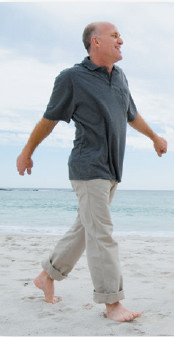
Ask the doctor: Stretching before exercise
Q. Should I stretch before or after my workout to help prevent muscle injuries and soreness? I've gotten conflicting advice on this.
A. We all remember the importance placed on stretching in our high school physical education classes. However, recent expert opinion has moved away from static stretching before activity and toward a gradual and active warm-up period before exercise. Stretching a healthy muscle before exercise does not prevent injury or soreness.

Injections don't improve physical therapy for knees
Physical therapy is helpful for wear-and-tear knee osteoarthritis, especially if you start doing it early. But injecting a painful knee with an anti-inflammatory steroid medication before starting physical therapy offers no additional benefit, according to a clinical trial in JAMA Internal Medicine.
Studies have shown that physical therapy modestly reduces pain and improves daily functioning in people with knee osteoarthritis. That could mean being able to walk farther with less pain or to continue leisure activities such as gardening. Before you start physical therapy, your doctor may offer to inject the knee with a cocktail of anti-inflammatory steroid medication and an anesthetic. Hypothetically, this could make it easier for you to stick with exercise and therefore lead to better results.

Ask the doctor: I have osteoporosis. Will physical therapy for my back cause spinal fractures?
Q. I have sciatica. I also have vertebral fractures caused by osteoporosis. I'd like to get physical therapy for my sciatica but am worried about damaging my spine further. What do you advise?
A. I am glad that you are interested in pursuing physical therapy to treat the sciatica. It's the best treatment for it. The physical therapist is likely to show you how to do gentle stretching exercises for your upper legs, buttocks, and back, as well as how to use your back, core, and legs more effectively to avoid worsening the strain on your sciatic nerve. She will also train you to do exercises to strengthen your back and core. None of these maneuvers will damage the bones in your back. But it's important for you to tell the therapist that you do have osteoporosis and vertebral fractures. She will keep that in mind as she works with you.

Active older men live longer
Men who want to live longer would be wise to remain physically active as long as possible, according to a long-term study of aging in older men reported in the British Journal of Sports Medicine.
In 1972–73, the Oslo Study recruited nearly 15,000 Norwegian men ages 40 to 49. In 2000, the surviving participants filled out a survey about their daily physical activities. This included everything from couch-potato time in front of the TV to vigorous athletic workouts several times a week.
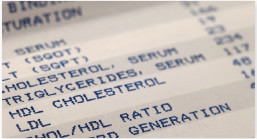
Know your triglycerides: Here's why
The level of triglycerides in the blood, like measurements of "bad" cholesterol, helps to gauge your risk for heart disease. Image: Thinkstock |
High levels of these fatty particles in the blood means you may need to step up healthy lifestyle changes.

When the doctor prescribes physical rehabilitation
Make sure you communicate with your rehab team, and speak up if something in the program isn't working for you. Image:Thinkstock |
Here's how to get the most out of physical therapy and cardiac rehab.

Ask the doctor: I have pelvic organ prolapse. What types of exercise should I avoid?
Q. I have pelvic organ prolapse and work out at the gym almost every day. Are there any forms of exercise that will make my situation worse?
A. Pelvic organ prolapse results from weakened muscles and ligaments of the pelvic floor, which allow your bladder or uterus to drop and press against the walls of the vagina. You didn't say what type of exercise you do at the gym, but there are a few you should avoid—lifting heavy weights, especially over shoulder height; high-impact aerobic activities involving jumping or hopping; and sit-ups. You should check with a trainer at the gym to see how you can modify strength training, core exercises, and aerobics to reduce stress on your pelvic floor.
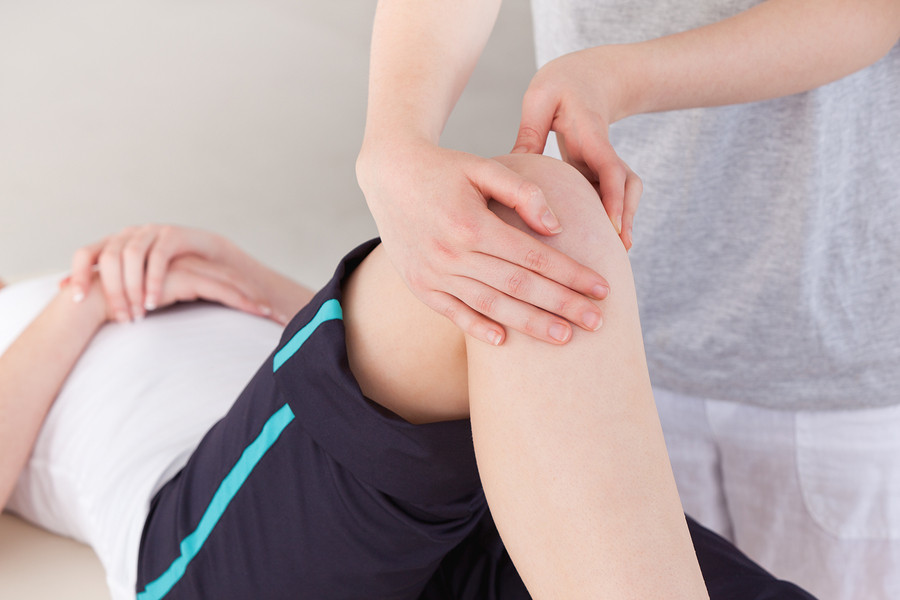
Can you put off that knee surgery?
Don't assume surgery is necessary if knee pain sidelines you. Physical therapy may be all it takes. Image: iStock |
Physical therapy and weight loss can relieve knee pain and protect your mobility.
Light exposure at night may raise risk for heart disease
Whole grains may improve several heart risk factors at once
A lumbar belt may help ease low back pain
Children of centenarians may stay healthier and live longer too, study finds
Signs of pneumonia: Sometimes vague and unexpected
The surprising link between ovarian cancer and the fallopian tubes
Using a vibration plate: What it can — and can't — do for your body
People who walk more or walk faster live longer, study finds
For sleep apnea, a dental device may be as effective as CPAP
Rosacea treatments: What works?
Free Healthbeat Signup
Get the latest in health news delivered to your inbox!
Sign Up
