

Healing after food poisoning

What is tempeh? Benefits, nutrition, and how to use it

Light exposure at night may raise risk for heart disease

Whole grains may improve several heart risk factors at once

A lumbar belt may help ease low back pain

Children of centenarians may stay healthier and live longer too, study finds

Signs of pneumonia: Sometimes vague and unexpected

The surprising link between ovarian cancer and the fallopian tubes

Using a vibration plate: What it can — and can't — do for your body

People who walk more or walk faster live longer, study finds
Energy and Fatigue Archive
Articles
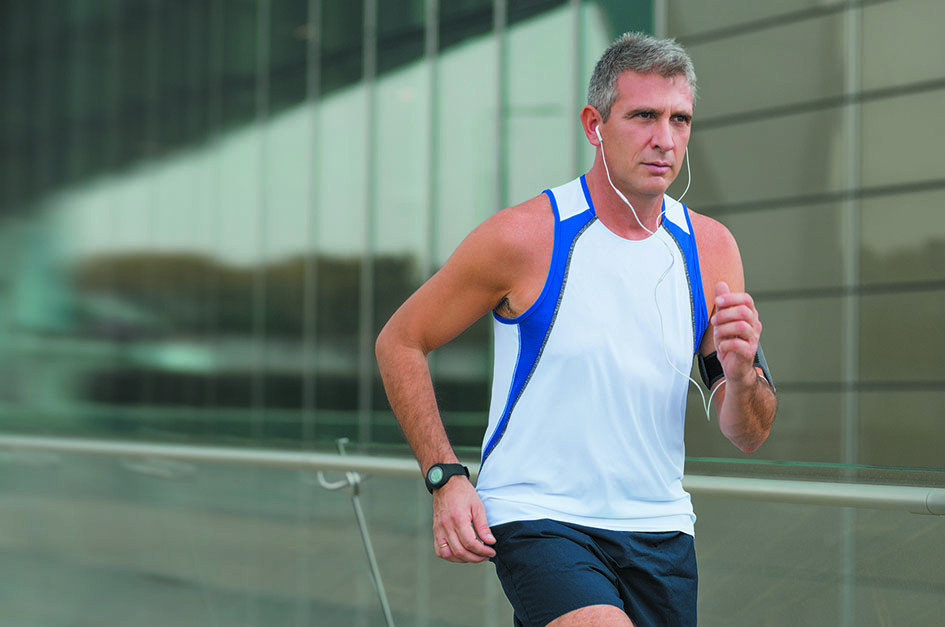
Can I still run after a hip replacement?
On call
Image: © Ridofranz/Thinkstock
Q. I was an active runner before my hip replacement. Is it okay to return to jogging several times a week?
A. Hip replacements help relieve pain and improve function for people with worn-out hip joints. However, replacement joints also can wear out over time and require what's called a revision surgery. Therefore, activities that may increase stress or wear on the joint are often discouraged.

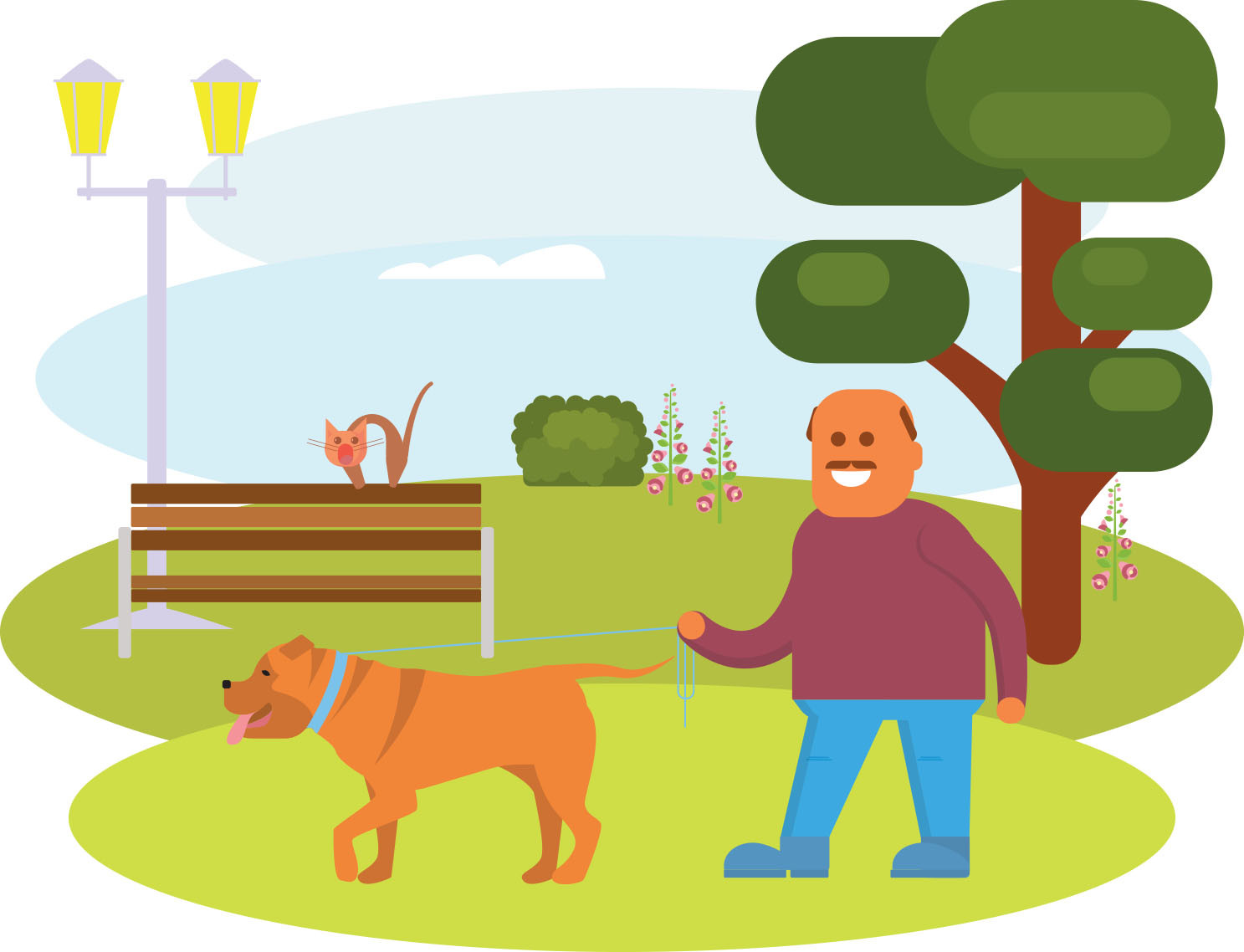
Walking the dog: Yes, it counts as exercise
A canine companion may help older people stay active — and provide other heartfelt benefits.
Image: © Tatiana_Stulbo/Thinkstock
If you're among the many millions of dog owners in the United States, you're probably more active than most people without a canine companion at home. But that's just one of the potentially heart-protecting benefits dog owners enjoy, says Dr. Elizabeth Frates, director of wellness programming at Harvard-affiliated Spaulding Rehabilitation Hospital.
"A dog provides love, companionship, and a sense of purpose that propels you to get outside walking every day," says Dr. Frates. Daily exercise is probably the most tangible benefit of dog ownership, she notes. And a new study suggests that the added activity counts toward recommended physical activity goals.
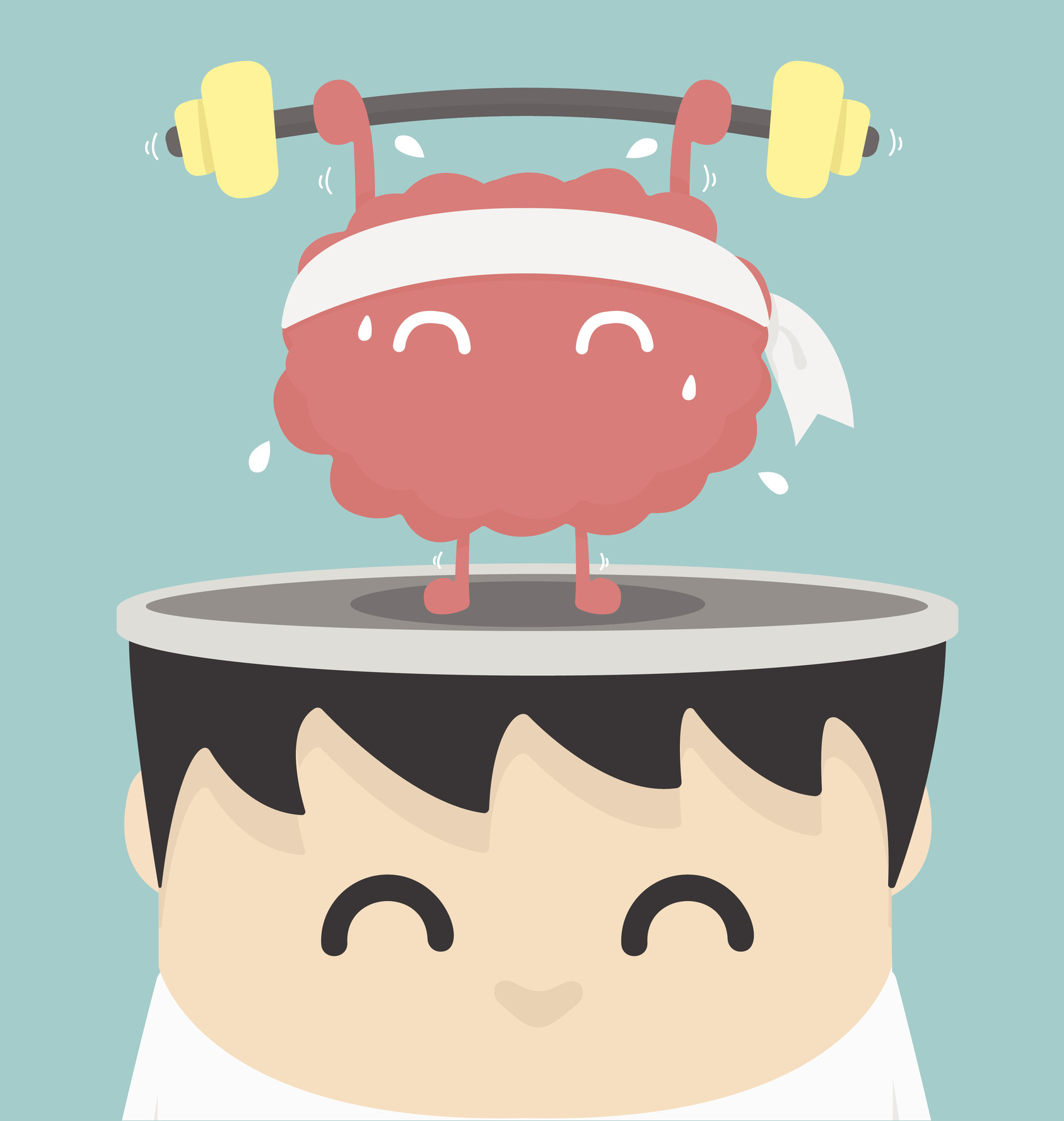
Mind over matter? How fit you think you are versus actual fitness
A study of over 60,000 people who were followed for as long as two decades found that people’s perceptions about their level of activity have a more significant effect on their longevity than their actual fitness.
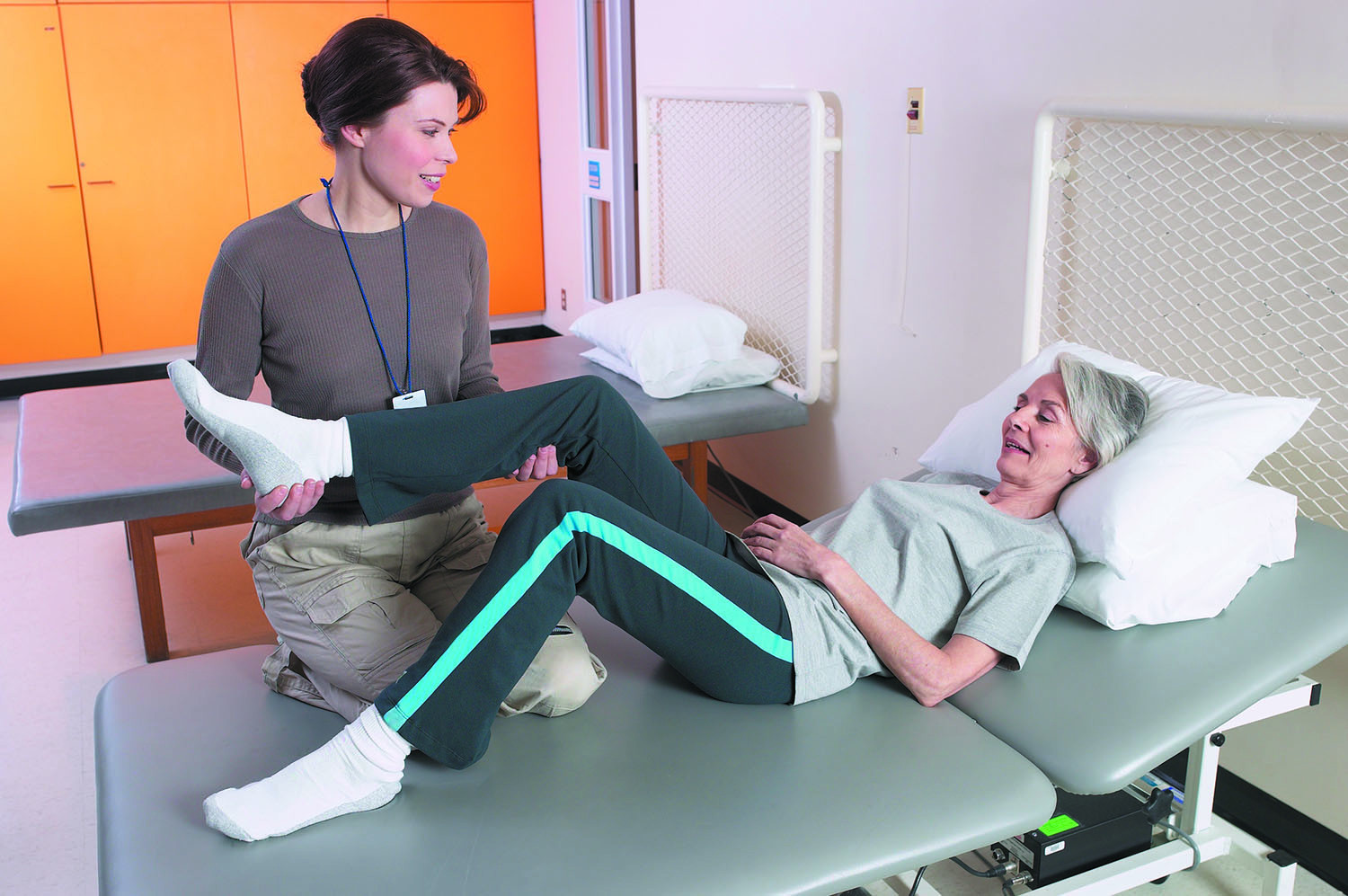
Exercising arthritis pain away
Physical therapy may be an effective alternative to surgery in relieving joint and back pain.
Image: © Hemera Technologies/Thinkstock
Exercising may be the last thing you want to do when you have a sore knee or aching back, but it might be the first thing you should do. Physical therapy has long been recommended following surgery. But for some, trying physical therapy before opting for surgery may be the better choice.
"You may be able to spare yourself the expense, pain, and recovery time of surgery," says physical therapist Karen Weber, clinical supervisor at Harvard-affiliated Spaulding Rehabilitation Outpatient Centers in Braintree and Quincy, Mass.

Two types of exercise may be needed to preserve muscle mass during weight loss
Research we're watching
While obesity presents a number of health risks for older adults, weight loss is often accompanied by a reduction in muscle tissue and loss of strength. A team led by researchers at Baylor College of Medicine set out to determine whether more exercise or specific types of exercise would help preserve muscle during weight loss.
The researchers randomly assigned 103 obese women and 57 obese men over age 65 to one of four groups. Three groups participated in a reduced-calorie diet plus one of three exercise programs — aerobic training, resistance training, or combined aerobic and resistance training — while the fourth, a control group, only received information on healthful eating.

Prescribing “the best medicine”
Are you exercising enough to prevent heart disease?
It can help you lose weight; decrease your blood pressure, cholesterol, and blood sugar; and reduce your stress. But wait, there's more: it also lowers your odds of a heart attack or other cardiovascular event and may even extend your life.
This wonder drug isn't a drug at all, of course — it's exercise. Yet only about half of all American adults do enough physical activity to benefit their health. And exercise is especially vital for people who are at risk for heart disease or already have it.

Medicare now covers exercise training for blocked leg arteries
Research we're watching
About 8.5 million Americans have peripheral artery disease, or PAD, in which fatty plaque clogs arteries outside of the heart, most commonly in the legs. The hallmark symptom is calf or thigh pain while walking that goes away when you rest.
The safest, most effective treatment for PAD is supervised exercise training, in which you're monitored while walking on a treadmill. Few people participate, however, partly because of the expense of the regimen. It involves up to 36 sessions of 30 to 60 minutes each over a period of three months.

Take a stand against sitting
Studies have linked long periods of sitting with an increase in heart disease and early death.
Image: © monkeybusinessimages/Thinkstock
Odds are you are sitting while you read this. In fact, more than half of an average person's waking hours are spent sitting, according to a study in the Jan. 19, 2015, Annals of Internal Medicine.
All that sitting can cause great damage to your health. "The health risks tied to sitting may not be completely related to the act of sitting itself, but rather that sitting keeps you from doing healthier activity," says Dr. I-Min Lee of Harvard's T.H. Chan School of Public Health.

Exercise today, look better tomorrow (really)
A small study supports the idea that exercising improves body image, whether or not the activity leads to any visible change in appearance. This suggests that additional research examining different types of exercise, and the long-term psychological effects of physical activity would be valuable.
Healing after food poisoning
What is tempeh? Benefits, nutrition, and how to use it
Light exposure at night may raise risk for heart disease
Whole grains may improve several heart risk factors at once
A lumbar belt may help ease low back pain
Children of centenarians may stay healthier and live longer too, study finds
Signs of pneumonia: Sometimes vague and unexpected
The surprising link between ovarian cancer and the fallopian tubes
Using a vibration plate: What it can — and can't — do for your body
People who walk more or walk faster live longer, study finds
Free Healthbeat Signup
Get the latest in health news delivered to your inbox!
Sign Up
