

Healing after food poisoning

What is tempeh? Benefits, nutrition, and how to use it

Light exposure at night may raise risk for heart disease

Whole grains may improve several heart risk factors at once

A lumbar belt may help ease low back pain

Children of centenarians may stay healthier and live longer too, study finds

Signs of pneumonia: Sometimes vague and unexpected

The surprising link between ovarian cancer and the fallopian tubes

Using a vibration plate: What it can — and can't — do for your body

People who walk more or walk faster live longer, study finds
Energy and Fatigue Archive
Articles
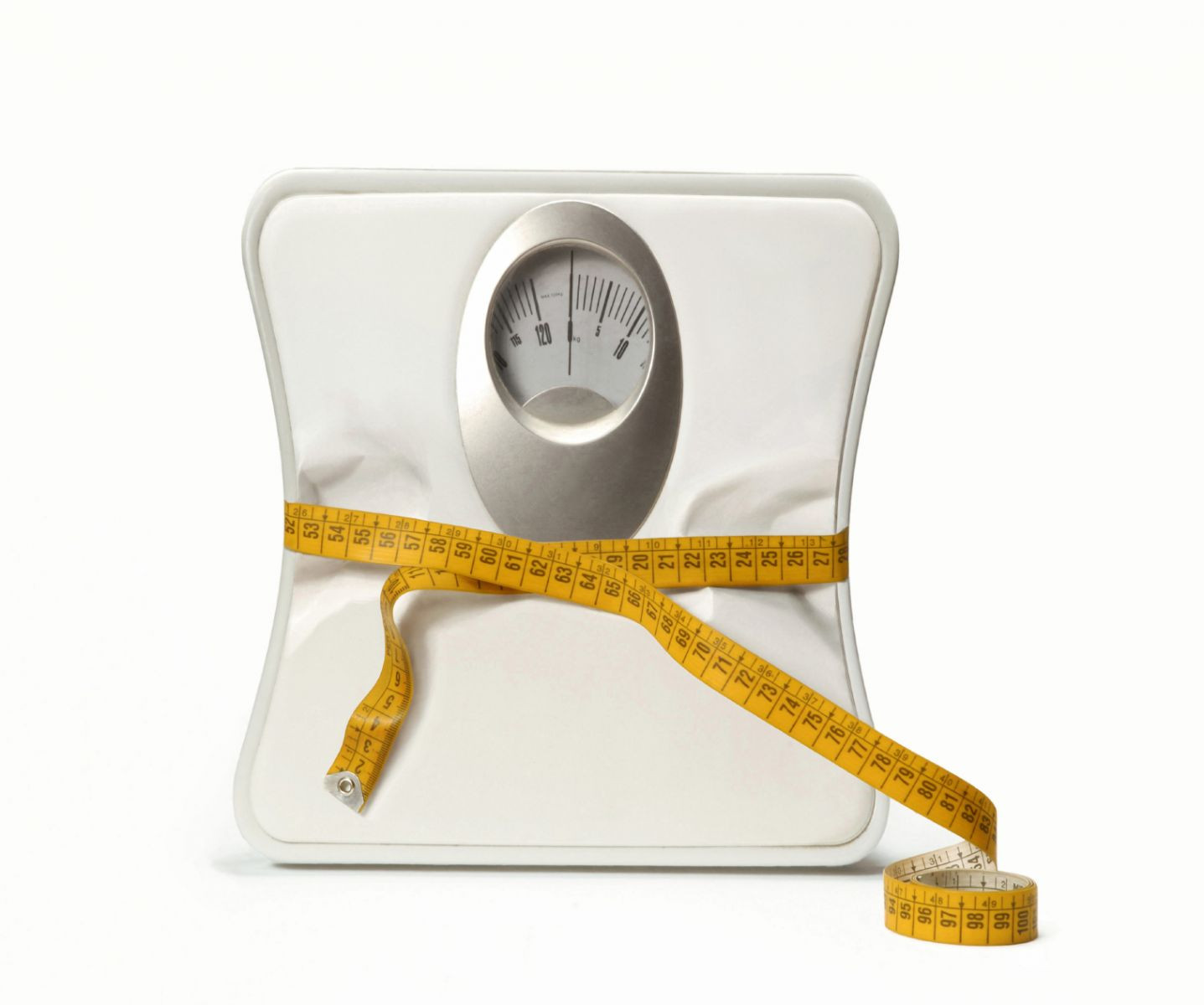
Find the weight-loss plan that works for you
You've tried different diets — and have even been exercising regularly — but those extra pounds won't budge. Don't give up. It may be that you haven't yet found the weight-loss strategies that work for you.
"Everything works for some people, but no treatment is equally effective for everyone," says Dr. Lee Kaplan, director of the Obesity, Metabolism and Nutrition Institute at Massachusetts General Hospital. "No method is fundamentally better than any other. The key is finding out which therapy is best for you, and that takes trial and error."

Free services to help your health
Take advantage of free medications, blood pressure screenings, and exercise classes to stay healthy and save money.
Image: © Wavebreakmedia/Thinkstock
Medical costs are soaring, but not every step you take to improve your health has to cost an arm and a leg. Some services are even free, regardless of your financial need. "These are incredibly helpful, although few of my patients know about many of them," says geriatrician Dr. Suzanne Salamon, an assistant professor at Harvard Medical School. The trick is knowing where to find the services, and this month we have suggestions on where to look.
Free exercise classes
Exercise is essential for overall health and mobility, especially as we get older. Many organizations support that by offering free exercise classes for older adults. Good places to find free classes: hospitals and senior centers. Give them a call, or look on the Internet to see an organization's event calendar.

Don’t just sit there, move more!
Even if you exercise regularly, sitting for long periods during the day is unhealthy for your heart.
Image: © Jupiterimages/Thinkstock
On average, we spend more than half of our waking hours sitting down: working at a computer, watching television, traveling in a car, or doing other sedentary things such as reading or chatting with friends. But long stretches of uninterrupted sitting have a range of undesirable effects that may harm your heart, says Dr. Beth Frates, who directs wellness programming for the Stroke Research and Recovery Institute at Harvard-affiliated Spaulding Rehabilitation Hospital.
"Sedentary behavior affects your body in many different ways, even down to the molecular level," she notes.

A day at the 5K races
Whether you run or walk, these popular local events can be an effective fitness motivator.
Image: © rihardzz/Thinkstock
Motivation can be one of the greatest obstacles to staying active. If your interest in exercise is waning, consider signing up for a local 5-kilometer (5K) race, which covers 3.1 miles.
"These events are ideal for older men because they can accommodate almost any fitness level and experience," says Michael Clem of the Harvard-affiliated Spaulding National Running Center.

Yoga can help with low back pain relief
In the journals
Image: © Wavebreakmedia Ltd/Thinkstock
Low back pain? Try yoga. A study published online July 20, 2017, by the American Journal of Preventive Medicine found that low back pain sufferers who completed a 12-week yoga program reported less pain and better quality of life compared with those who received standard care, such as medication, physical therapy, and exercise.
The study specifically looked at military veterans, average age 53, 74% of whom were men, who had experienced chronic lower back pain for at least six months. The 12-week program consisted of two hour-long instructor-led yoga sessions per week, with home practice encouraged. The sessions emphasized poses to stretch and strengthen the core and improve joint mobility. Relaxation and breathing techniques helped to reduce tension and pain perception.

Healthy lifestyle habits linked to lower drug costs
Research we're watching
People with cardiovascular disease who exercise regularly, don't smoke, and manage other risk factors spend far less money on medications than people who don't take such steps, a new study finds.
The study included 4,248 people ages 40 and older with clogged arteries (atherosclerosis), the most common form of cardiovascular disease. Researchers also relied on the Medical Expenditure Panel Survey, a national snapshot of health care expenses based on a survey of nearly 76,000 Americans.

Lift weights to boost muscle
Muscle loss is inevitable as you age, but adopting a regular weight training program can help slow the process.
You naturally lose muscle as you age, a condition called sarcopenia. After age 30, men begin to lose as much as 3% to 5% of their muscle mass per decade, and most will lose about 30% over their lifetimes. But you have the power to change this — with weight training.
"Weight training is the best way to increase muscle mass lost due to aging and keep the muscle you have, and it's never too late to begin," say Vijay Daryanani, a personal trainer with Harvard-affiliated Spaulding Outpatient Center.

10 tips to get you exercising regularly
Finding motivation to move is easier with these simple strategies.
Image: © moodboard/Thinkstock
If the treadmill in your bedroom looks more like a coat rack than a piece of workout equipment, you're not alone. Many women struggle to commit to and keep up with a regular exercise program.
Often, they've got legitimate reasons for skipping those workouts.

Working out in the office doesn’t lower productivity
Research we're watching
Image: © AndreyPopov/Thinkstock
Some women squeeze in exercise by using active workstations, which enable them to move more during the workday. But you may wonder: will this type of multitasking make you less productive on the job?
A study in the May issue of Medicine & Science in Sports & Exercise says it doesn't appear to. The study authors tested the cognitive performance of 58 workers — 32 young and 26 middle-aged — who were asked to walk for 50 minutes at a time on an active workstation treadmill. The study authors concluded the walking didn't hinder the workers' ability to effectively complete mental tasks, aside from a slight dip in planning skills during the workout. And they were able to log an average of 4,500 more steps per day during their sessions.

Dogs may increase activity levels in older adults
Research we're watching
Image: © Halfpoint/Thinkstock
Dog is a woman's best … workout buddy? Maybe, says a study published online June 9 by BMC Public Health, which found that having a dog appeared to increase physical activity in older adults.
Researchers asked 43 pairs of dog owners and non-owners to wear an activity monitor for a week to track their physical movements. Subjects wore the device three times over the course of one year. They also kept an activity log that included information about themselves and their dog, as well as their daily schedule. As it turns out, the dog owners spent more time walking than those without a dog, and they also took about 2,670 more steps each day. So, if you've been thinking about getting a dog this might give you one more reason to consider a furry friend.
Healing after food poisoning
What is tempeh? Benefits, nutrition, and how to use it
Light exposure at night may raise risk for heart disease
Whole grains may improve several heart risk factors at once
A lumbar belt may help ease low back pain
Children of centenarians may stay healthier and live longer too, study finds
Signs of pneumonia: Sometimes vague and unexpected
The surprising link between ovarian cancer and the fallopian tubes
Using a vibration plate: What it can — and can't — do for your body
People who walk more or walk faster live longer, study finds
Free Healthbeat Signup
Get the latest in health news delivered to your inbox!
Sign Up
