

What men should know about proposed changes for testosterone therapy

Ashwagandha: Benefits, side effects, and safety concerns

Hearing aids: Types, costs, over-the-counter options, and AirPods

Meditation techniques: How to meditate for stress, sleep, and focus
Anti-inflammatory diet: Foods that help reduce chronic inflammation
Legumes: Are they good for your heart?

Atrial fibrillation symptoms: Why they're easy to miss
Treating peripheral artery disease: When might you need a procedure?

Exercising with low blood pressure: Advice and precautions

Healthy breakfast ideas to support energy and metabolism
Digestive health
- Reviewed by Lawrence S. Friedman, MD, Contributor; Editorial Advisory Board Member, Harvard Health Publishing
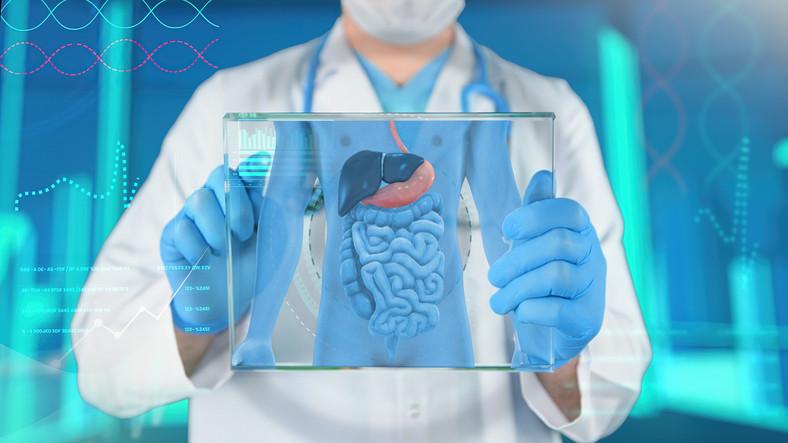
Your digestive system breaks down food and liquid into their chemical components - carbohydrates, fats, proteins, vitamins, and minerals - so the body can absorb these nutrients, use them for energy, and build or repair cells.
Many organs make up the digestive system. Digestion begins the moment food is chewed and travels from the mouth, down the esophagus, and into the stomach. Once in the stomach, food is mixed with digestive enzymes and then slowly emptied into the small intestine, which further breaks down food, absorbs nutrients, and sends them into the bloodstream.
The remaining watery food residue moves into your large intestine (the colon). As undigested food passes through it, bacteria feed off the remnants. The wall of the large intestine soaks up most of the remaining water.
Other organs also contribute to the digestive process. The liver produces bile, a brownish-yellow liquid that helps to digest fat. Bile is stored until needed in the gallbladder. The pancreas works with the small intestine to produce enzymes needed to help digest proteins, fats, and carbohydrates.
Any undigested food that remains is expelled by a highly efficient disposal system involving the rectum and anus.
On this page you'll discover
What foods can help improve my digestive health?
Certain foods can help keep your digestion healthy. For instance, foods that contain probiotics (healthful bacteria) can increase the number of good bacteria in your gut microbiota, the 100-plus trillion bacteria that live inside your digestive system. A healthy microbiota can improve immune system functioning, help maintain regular bowel function, and reduce damaging inflammation.
Popular foods that contain probiotics are yogurt and kefir, a yogurt-like drink. (Look for "live and active cultures" on the label.) Other probiotic sources are fermented foods like sauerkraut, miso (a paste made from soybeans), and some pickles. (Look for the words "naturally fermented.")
Probiotics are supported by prebiotics, which help good bacteria grow and thrive in the digestive tract. Prebiotics are found in beans, whole grains, garlic, bananas, onions, and asparagus.
Adequate fiber is also important for good digestion. Fiber helps to soften and provide bulk to stool, which allows it to pass more easily through the intestines.
There are two types of fiber: insoluble and soluble. Insoluble fiber is found in whole grains, wheat cereals, and vegetables such as carrots, celery, and tomatoes. Soluble fiber sources include barley, oatmeal, beans, nuts, and fruits such as apples, berries, citrus fruits, and pears.
Over-the-counter fiber supplements (capsules, chewable tablets, and powders mixed with water) may be an option for people who have trouble eating enough fiber-rich food.
What are common digestive diseases and conditions?
Like all complicated machinery, the digestive tract doesn't always run smoothly. What people eat and how they eat can disrupt digestive health. In some people, their immune system mistakenly attacks the digestive system, causing various digestive problems.
Here is a brief look at some common diseases and conditions that can affect digestive health:
Gastroesophageal reflux disease (GERD). GERD can cause a burning and squeezing sensation in the chest, commonly known as heartburn. Other symptoms can include nausea, sour or bitter taste in the mouth, difficulty swallowing, sore throat, coughing, wheezing, or repeatedly needing to clear your throat. In GERD, acid and digestive enzymes from the stomach flow backward into the esophagus, the tube that carries food from your mouth to your stomach. This backward flow of stomach acid is called reflux. These acids inflame the lining of the esophagus. If GERD is not treated, it can cause permanent damage to the esophagus.
Celiac disease. This condition occurs when the immune system mistakenly identifies gluten, a protein found in wheat, rye, and barley, as "foreign." As the immune system wages war against gluten, it damages the small, fingerlike projections in the small intestine called villi that help the body absorb nutrients from food. Symptoms of celiac disease include diarrhea, fatigue, abdominal bloating and pain, and weight loss.
Diverticulosis and diverticulitis. In diverticulosis, small pouches develop and bulge out through weak spots in the walls of the colon. These small, balloon-like pouches are called diverticula. Most people with diverticulosis don't have any symptoms, but some experience mild cramps, constipation, or bloating.
If the diverticula become inflamed or infected, the condition is called diverticulitis. Diverticulitis can lead to severe complications, such as abscess, perforation (tears in the colon wall), intestinal blockage from internal scarring, or fistula, an abnormal connection between two organs. The most common symptoms of diverticulitis are abdominal pain and tenderness, pressure in the lower abdomen, fever, nausea, vomiting, chills, cramping, constipation, and diarrhea.
Inflammatory bowel disease (IBD). IBD occurs when the immune system mistakenly attacks the intestines and triggers inflammation of the tissues. Two principal kinds of IBD exist: Crohn's disease and ulcerative colitis (UC).
With Crohn's disease, the inside lining and deeper layers of the intestinal wall become inflamed. These areas can thicken or wear away in spots, which creates ulcers, cracks, and fissures. Inflammation can allow an abscess (a pocket of pus) to develop. Once Crohn's disease begins, it lasts a lifetime. Common symptoms of Crohn's disease include:
- abdominal pain, usually at or below the navel, which is typically worse after meals
- diarrhea that may contain blood
- weight loss
- weakness or fatigue
- sores around the anus
- pain during bowel movements
- painful mouth sores
- loss of appetite
- joint or back pain (and other symptoms such as skin rashes or eye inflammation).
With UC, inflammation in the lining of the large intestine (the colon) causes ulcers. This can cause bleeding, diarrhea, weight loss, and fatigue. Other symptoms can vary depending on the severity of the inflammation and where it occurs in the large intestine. They include:
- cramping abdominal pain, especially in the lower abdomen
- a frequent sensation of needing to have a bowel movement
- little advance warning before a bowel movement
- loss of appetite
- fever
- dehydration
- other symptoms outside of the intestines.
Irritable bowel syndrome (IBS). IBS is characterized by recurrent bouts of constipation or diarrhea (or both), abdominal pain, bloating, and gas. The severity and duration of symptoms vary. Some are mild and come and go, while others are severe and last several weeks. Some people can go months or years between episodes. Most people are never cured of IBS, but dietary changes, medication, and stress management can help manage the condition. IBS does not raise the risk for UC, Crohn's disease, or colon cancer.
Gallstones. Gallstones are hardened bits of bile that form inside the gallbladder, a pear-shaped pouch that sits just below the liver. Bile makes it easier for the body to digest fat.
Most gallstones don't cause any symptoms or problems. Small stones can pass out of the body through the intestines. However, gallstones can cause symptoms if they get caught in the narrow outlet of the gallbladder or in the ducts that drain the gallbladder. Symptoms include abdominal pain, usually high in the abdomen and often in the center or on the right side (where the gallbladder is located), and can spread to the area of the right shoulder blade. When symptoms recur or the gallbladder becomes inflamed, the gallbladder needs to be surgically removed.
What men should know about proposed changes for testosterone therapy
Ashwagandha: Benefits, side effects, and safety concerns
Hearing aids: Types, costs, over-the-counter options, and AirPods
Meditation techniques: How to meditate for stress, sleep, and focus
Anti-inflammatory diet: Foods that help reduce chronic inflammation
Legumes: Are they good for your heart?
Atrial fibrillation symptoms: Why they're easy to miss
Treating peripheral artery disease: When might you need a procedure?
Exercising with low blood pressure: Advice and precautions
Healthy breakfast ideas to support energy and metabolism
Free Healthbeat Signup
Get the latest in health news delivered to your inbox!
Sign Up
