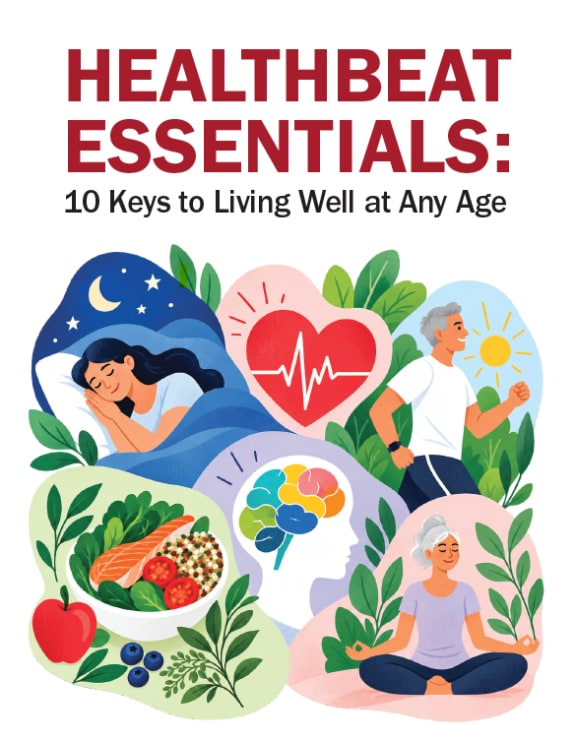
CoQ10: Should you take this popular supplement if you're on a statin?

Microplastics: A hidden health threat?

Oat vs. dairy milk: Nutrition, benefits, and downsides

What is tempeh? Benefits, nutrition, and how to use it

Healing after food poisoning

Children of centenarians may stay healthier and live longer too, study finds

Light exposure at night may raise risk for heart disease

A lumbar belt may help ease low back pain

Whole grains may improve several heart risk factors at once

Signs of pneumonia: Sometimes vague and unexpected
Dietary patterns Archive
Articles
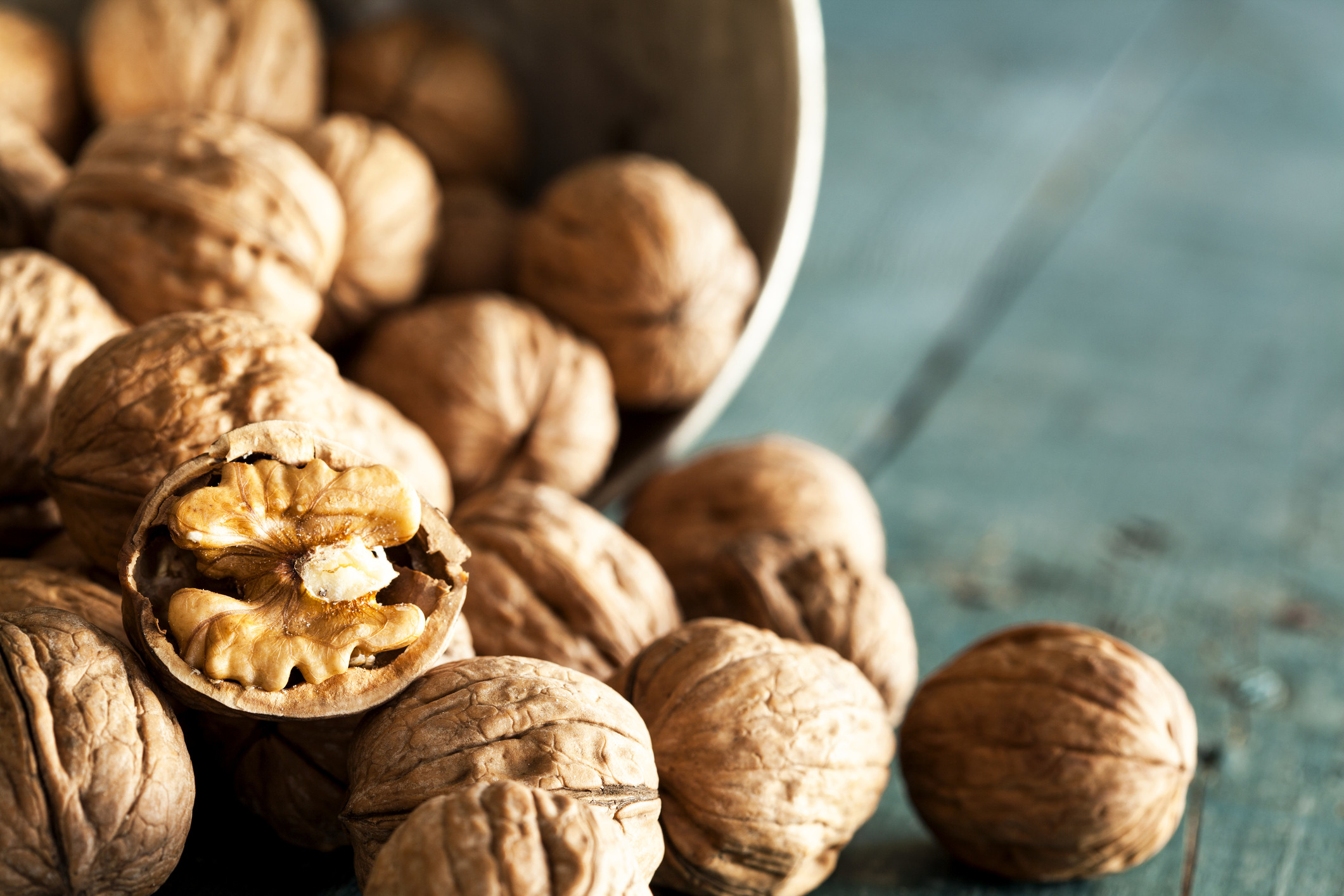


Is extra-virgin olive oil extra healthy?
Studies have shown a link between lower risks of cardiovascular disease, some cancers, and even dementia in people who consume higher amounts of olive oil. However, no definitive studies show extra-virgin olive oil has greater benefits than regular olive oil.

Becoming a vegetarian
A vegetarian diet can meet all a person's nutritional needs if planned thoughtfully. Eat a variety of fruits, vegetables, whole grains, and nuts, avoid saturated fats, watch calories and portions, and be physically active.


What are the differences between popular low-carb diets?
There are many varieties of low-carb diets. Each has its unique approach and some may help jump-start a weight-loss program, But long-term use of very low-carb diets can lack essential micronutrients and may raise the risk of health problems.

Feeding your fitness
Women and men require different nutritional approaches to promote muscle recovery after exercise. Optimally, women should refuel within 45 minutes, while men have up to three hours. Hormone differences drive women's faster post-workout muscle breakdown. During the luteal phase of the menstrual cycle, women may also crave more carbohydrates and want to eat more. Women should consume about 20 grams of protein within 45 minutes of working out. If fat loss is desired, women should cut calories at other times of the day, not after exercise.


Are you missing this simple treatment for restless legs?
Brain iron deficiency should be one of the first considerations when treating restless legs syndrome (RLS). But many doctors don't know that iron deficiency is one cause of RLS and don't test for it, particularly in men, in whom iron deficiency is uncommon.
CoQ10: Should you take this popular supplement if you're on a statin?
Microplastics: A hidden health threat?
Oat vs. dairy milk: Nutrition, benefits, and downsides
What is tempeh? Benefits, nutrition, and how to use it
Healing after food poisoning
Children of centenarians may stay healthier and live longer too, study finds
Light exposure at night may raise risk for heart disease
A lumbar belt may help ease low back pain
Whole grains may improve several heart risk factors at once
Signs of pneumonia: Sometimes vague and unexpected
Free Healthbeat Signup
Get the latest in health news delivered to your inbox!
Sign Up