

Light exposure at night may raise risk for heart disease

Whole grains may improve several heart risk factors at once

A lumbar belt may help ease low back pain

Children of centenarians may stay healthier and live longer too, study finds

Signs of pneumonia: Sometimes vague and unexpected

The surprising link between ovarian cancer and the fallopian tubes

Using a vibration plate: What it can — and can't — do for your body

People who walk more or walk faster live longer, study finds

For sleep apnea, a dental device may be as effective as CPAP

Rosacea treatments: What works?
Depression Archive
Articles
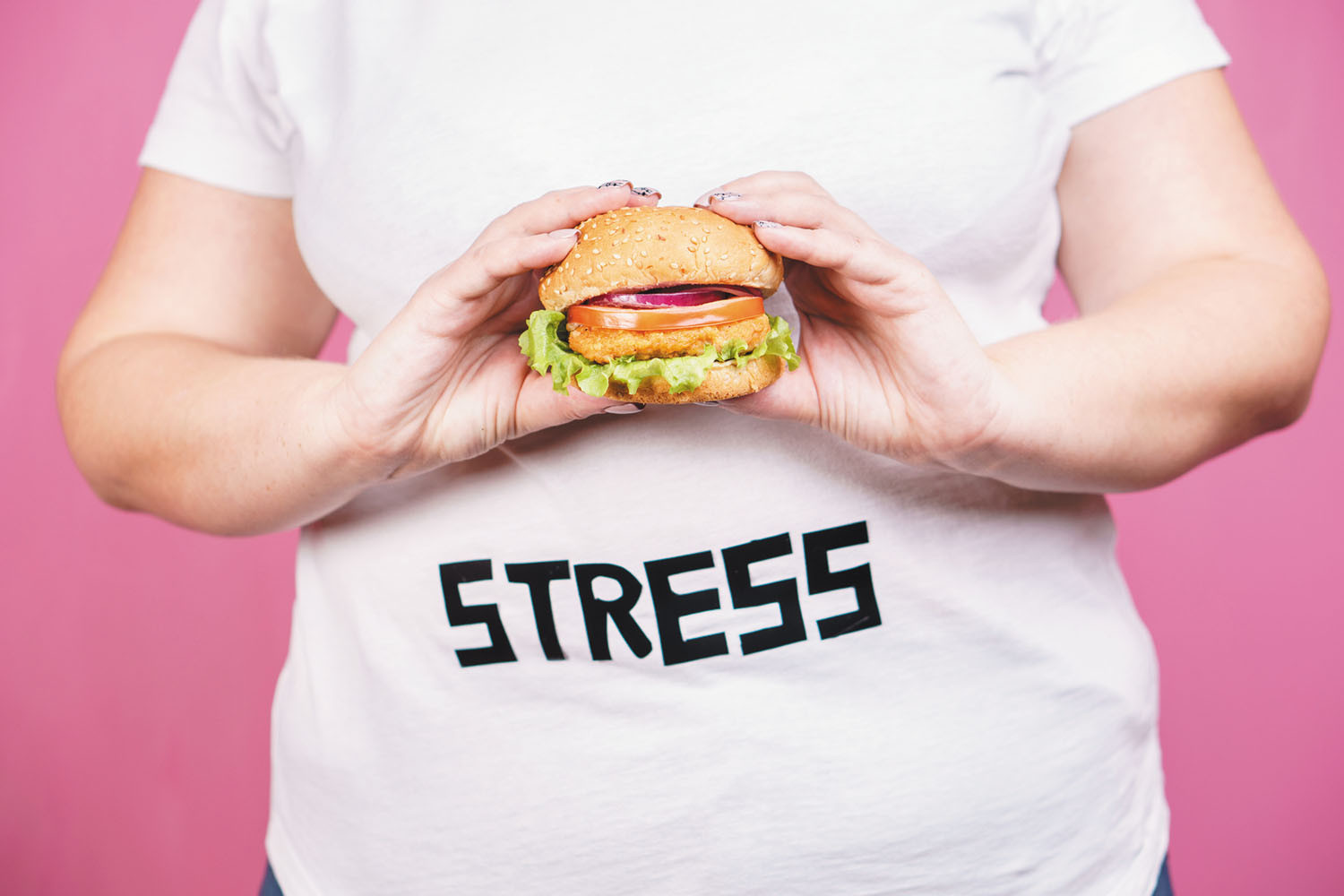
Simple strategies to stop stress-related overeating
Managing emotionally driven weight gain requires planning ahead.
How much and when you eat isn't driven just by hunger, which you likely already know if you've ever found yourself hunched over a bowl of ice cream after having a particularly stressful day. Stress can set off a cascade of physical reactions in your body that may not only drive you to eat more and make you crave less nutritious, fattening comfort foods, but also help you pack on extra pounds much more easily.
"Stress drives up levels of a hormone called cortisol in the blood," says Dr. Fatima Cody Stanford, an instructor in medicine at Harvard Medical School. Cortisol is a hormone produced by the adrenal gland that helps to regulate your metabolism. It also plays a role in blood sugar management and memory. When levels of cortisol rise, it can promote inflammation and may spur the body to start stockpiling fat around the midsection. "Stress might also disrupt sleep and drive people to seek out food when they wouldn't normally — such as in the middle of the night," says Dr. Stanford.
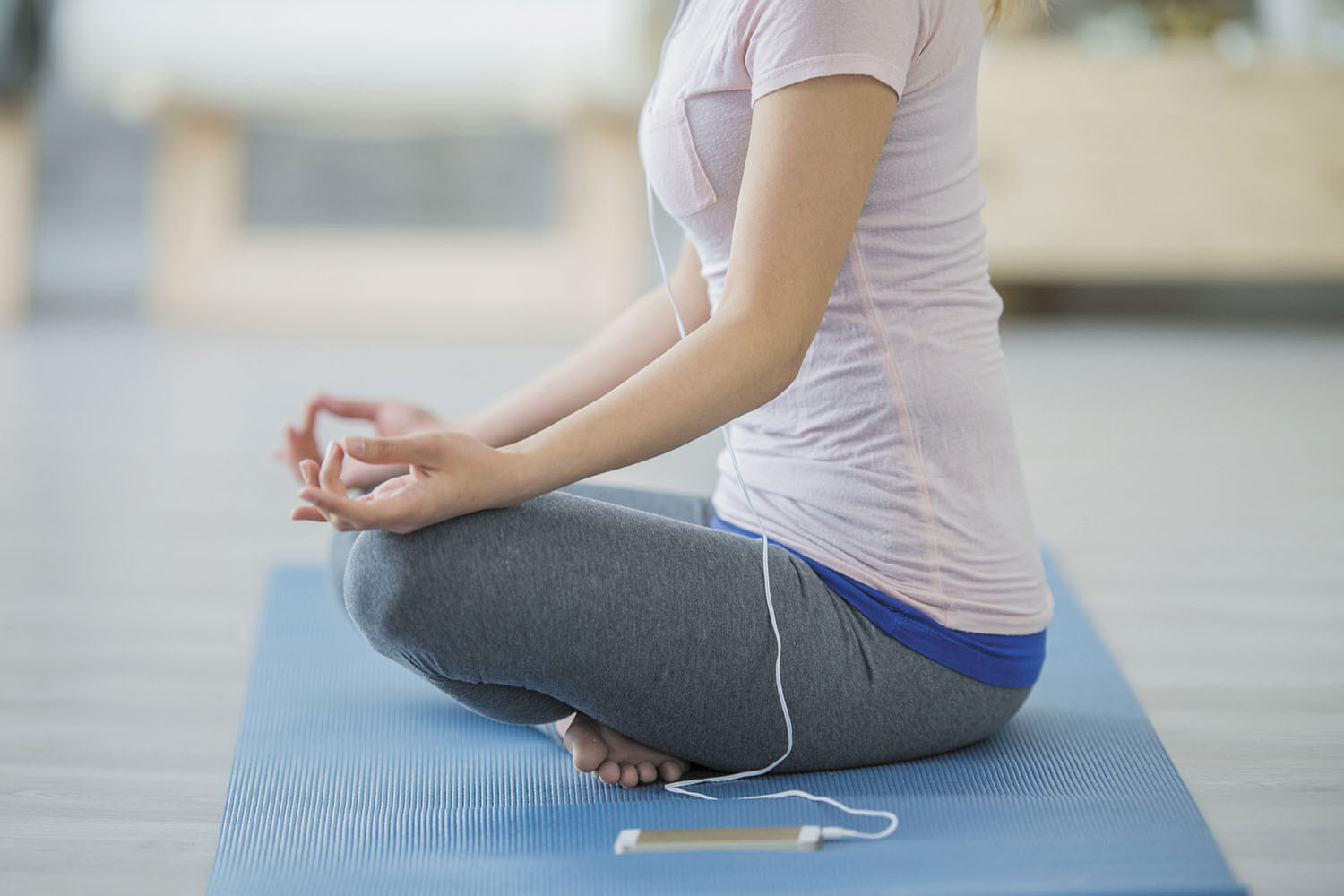
Meditation: There's an app for that
This age-old relaxation method can bring health benefits, and there are many tools to help get you started.
These days it seems like there's an app for almost everything you can do for your health, from tracking your diet and exercise to charting your sleep patterns. So, it's no surprise that there's been a surge in apps to help with meditation, an ancient practice designed to help you focus inward to promote relaxation.
In fact, Apple designated "self-care" — a category that includes meditation, mindfulness, and general wellness — as the 2018 "app trend of the year." This mirrors growing interest in meditation as an overall health strategy, a movement likely driven by a growing body of research showing potential health benefits from the practice.

Left behind after suicide
People bereaved by a suicide often get less support because it's hard for them to reach out — and because others are unsure how to help.
Every year in the United States, more than 45,000 people take their own lives. Every one of these deaths leaves an estimated six or more "suicide survivors" — people who've lost someone they care about deeply and are left with their grief and struggle to understand why it happened.
The grief process is always difficult, but a loss through suicide is like no other, and the grieving can be especially complex and traumatic. People coping with this kind of loss often need more support than others, but may get less. There are various explanations for this. Suicide is a difficult subject to contemplate. Survivors may be reluctant to confide that the death was self-inflicted. And when others know the circumstances of the death, they may feel uncertain about how to offer help. Grief after suicide is different, but there are many resources for survivors, and many ways you can help the bereaved.


Do we lose memories forever?
Ask the doctor
Q. When we lose memories, do we lose them forever? A friend told me they may still be in our brains.
A. Our memories are stored inside nerve cells in our brains, often in multiple cells that communicate with each other. Each nerve cell looks a little like a tree, with a trunk, branches and, ultimately, little "twigs" (called spines). The spines of one cell communicate with those of another cell by releasing chemicals.

Using mind over matter to help treat chronic pain
News briefs
Many people use psychological techniques to help them cope with chronic pain. But which approach is best? A study published Jan. 31, 2019, in the journal Evidence-Based Mental Health offers insight. Researchers analyzed 21 randomized studies focusing on the effect of either cognitive behavioral therapy (CBT), to redirect pain-related thoughts and behaviors, or mindfulness-based stress reduction (MBSR), combining yoga and meditation to build awareness and acceptance of moment-to-moment experiences (including pain). The result: There was no clear winner. Both approaches reduced pain and depression and improved physical functioning compared with usual care or no care. The authors say the findings are important, since CBT is considered the go-to psychological technique for chronic pain. But MBSR should be considered as an additional tool, they suggest. Want to try it? Many hospitals, universities, and meditation centers offer MBSR programs. You can also search for MBSR videos and classes online.

Breathing lessons
Learning to "belly breathe" helps ease your body's response to stress and tension.
The average person takes between 17,000 and 23,000 breaths per day, but there is a good chance we don't always breathe the right way. Chalk it up to how we deal with stress.
"When we feel something as a threat, our fight-or-flight response automatically kicks in," says Dr. Katherine Rosa, with the Harvard-affiliated Benson-Henry Institute for Mind Body Medicine. "Our breathing becomes more rapid and shallow and our hearts beat faster, all of which prepares us to run away from the threat."
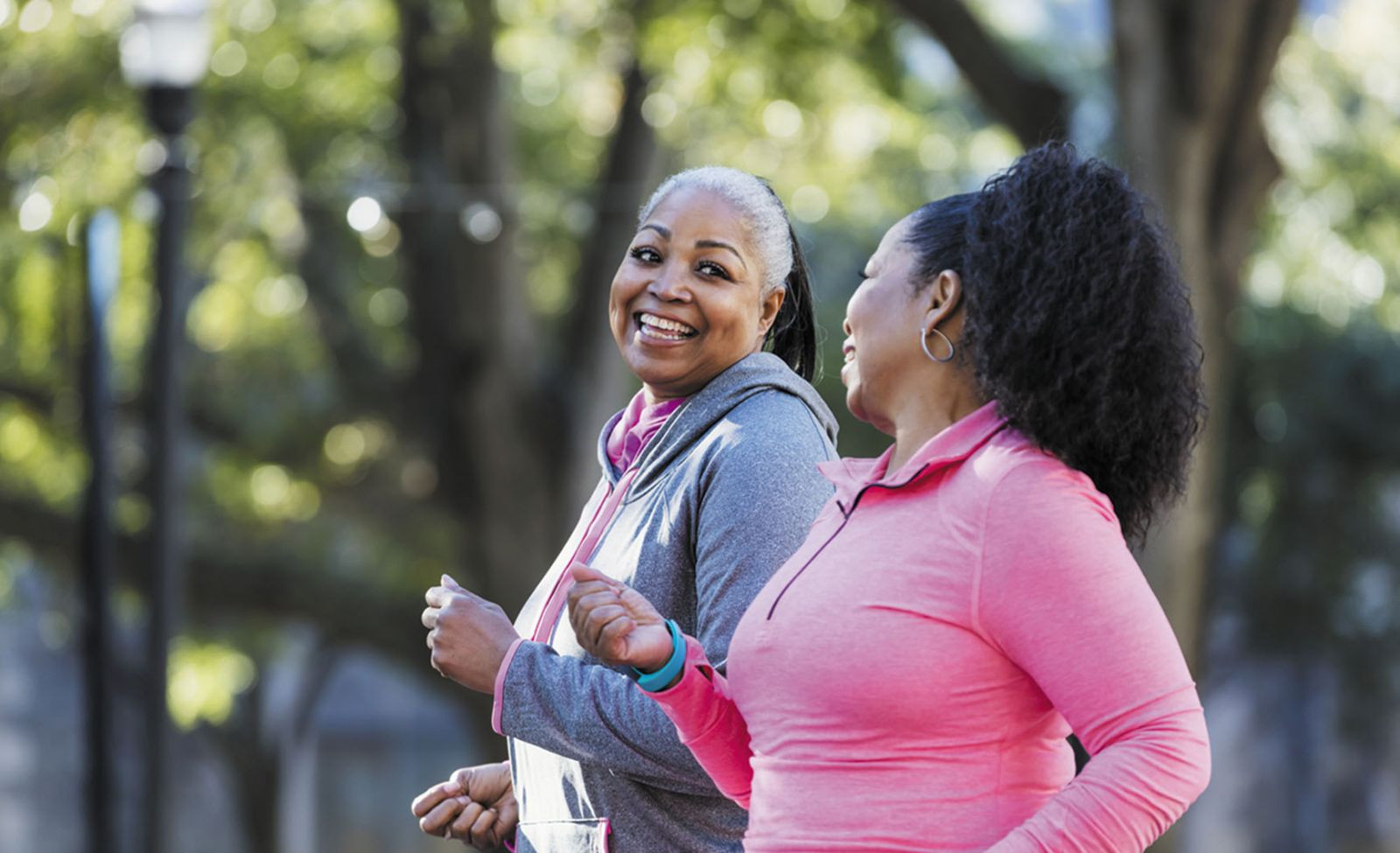
More evidence that exercise can boost mood
Running for 15 minutes a day or walking for an hour reduces the risk of major depression, according to a recent study.
It may be possible to outrun depression, according to a study published online January 23 by JAMA Psychiatry.
"We saw a 26% decrease in odds for becoming depressed for each major increase in objectively measured physical activity," says study author Karmel Choi, a clinical and research fellow at the Harvard T.H. Chan School of Public Health. "This increase in physical activity is what you might see on your activity tracker if you replaced 15 minutes of sitting with 15 minutes of running, or one hour of sitting with one hour of moderate activity like brisk walking."
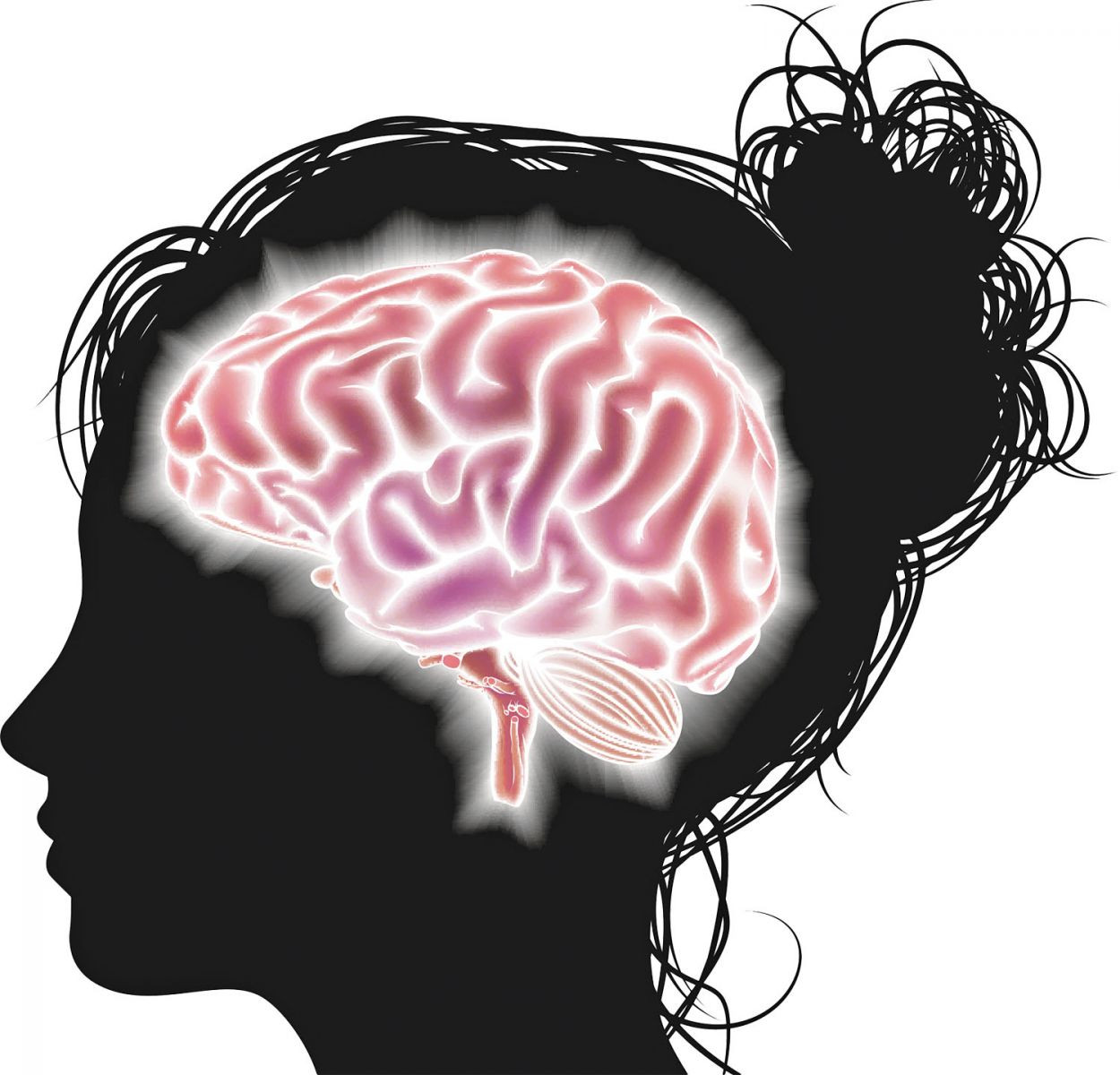
Chronic inflammation may put your brain at risk
Research we're watching
Not only might chronic inflammation affect your heart health, but it could also lead to cognitive decline, according to a study published in the February issue of Neurology. Researchers measured inflammation in more than 12,000 middle-aged adults, assigning each a composite score using four inflammation-related biomarkers found in the blood. They then assessed the cognitive function of the participants in three separate visits over the next 20 years. They found that after adjusting for demographic and other variables, inflammation appeared to be associated with increased cognitive decline. People in the study who had higher inflammation scores experienced 7.8% greater cognitive decline when compared with study participants who had lower scores.
Image: © ChrisGorgio/Getty Images

Mother’s Day: Tools for coping when celebration brings pain
Mother’s Day is meant to be a day of celebration. But for many women it can also be a day of discomfort. Tools for coping may make this easier to manage.
Light exposure at night may raise risk for heart disease
Whole grains may improve several heart risk factors at once
A lumbar belt may help ease low back pain
Children of centenarians may stay healthier and live longer too, study finds
Signs of pneumonia: Sometimes vague and unexpected
The surprising link between ovarian cancer and the fallopian tubes
Using a vibration plate: What it can — and can't — do for your body
People who walk more or walk faster live longer, study finds
For sleep apnea, a dental device may be as effective as CPAP
Rosacea treatments: What works?
Free Healthbeat Signup
Get the latest in health news delivered to your inbox!
Sign Up
