

CoQ10: Should you take this popular supplement if you're on a statin?

Microplastics: A hidden health threat?

Oat vs. dairy milk: Nutrition, benefits, and downsides

What is tempeh? Benefits, nutrition, and how to use it

Healing after food poisoning

Children of centenarians may stay healthier and live longer too, study finds

Light exposure at night may raise risk for heart disease

Whole grains may improve several heart risk factors at once

A lumbar belt may help ease low back pain

Signs of pneumonia: Sometimes vague and unexpected
Contraception and birth control Archive
Articles

Women sit more after retirement
Research we're watching
If you're looking forward to having some extra downtime after retirement, just make sure it doesn't bring more sitting-down time. A study published online Nov. 17, 2020, by the journal Occupational and Environmental Medicine found that on average, women saw a sharp increase in sedentary time — more than an additional 20 minutes each day — after they retired compared with when they were working. This is an unhealthy pattern that can lead to a higher risk for cardiovascular disease.
Researchers identified this trend by looking at data on nearly 700 people (nearly 85% of them women) from a Finnish study. Most of the participants worked in administrative roles or held professional positions before retiring at an average age of 63. To provide objective measurements of activity, the participants wore activity monitors continuously for a full week during their one or two years both before and after retirement. The spike in sedentary time occurred after retirement, and remained at the reduced level for the next two years or more following retirement. Men, by contrast, saw a gradual decline in their activity level over time, but no sudden spike after they left their jobs. So, if you're retiring in the near future, it may be worth keeping an eye on your activity level to make sure you don't slow down after you leave your job.

Focusing on your future
Make your remaining years the best possible with these strategies.
There's a saying: "The trouble is, you think you have the time." People may understand their lives are limited, but they often don't internalize how much time they actually have left. This mindset can delay goal setting and long-term preparation, which increases the chances of later problems — for instance, with finances, housing, or health.
"People don't like to talk about their mortality because they don't want to see themselves as 'old,'" says Joan Gillis, a geriatric clinical social worker and senior clinical team manager with Harvard-affiliated McLean Hospital. "But embracing this reality can help people grasp a sense of urgency, so they get the most from their remaining years."

More intensive treatment of DCIS reduces the risk of invasive breast cancer

Can gout be prevented?
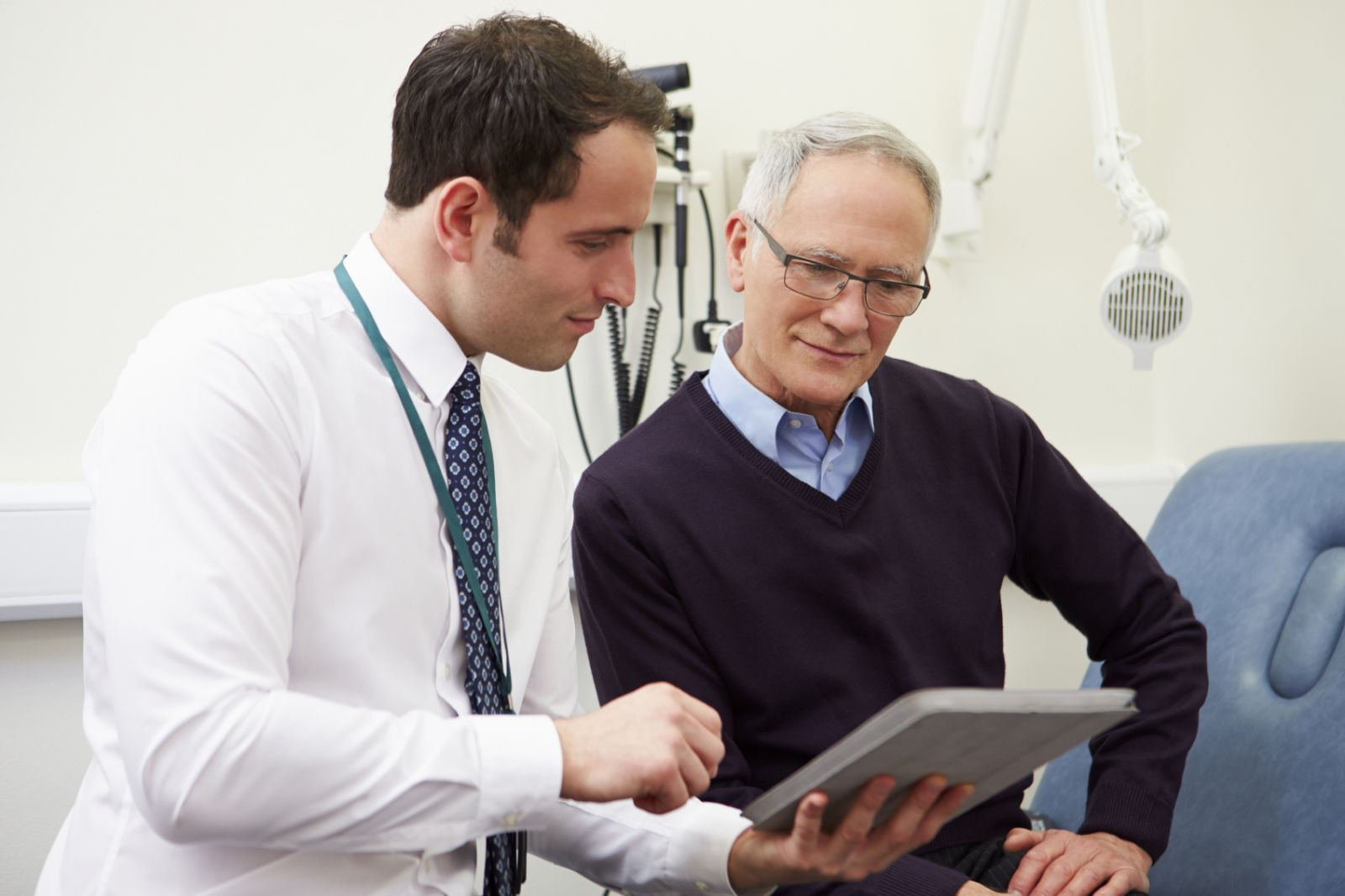
Gout, a debilitating form of arthritis, is on the rise compared with rates in prior decades. Obesity is probably a significant factor in this increase. Now, a new study suggests that three-quarters of gout cases in men might be completely avoidable by following certain protective health habits.

Hormonal therapies for advanced prostate cancer linked to a higher risk of falls and fractures
Falls rank among the top causes of death and injuries among the elderly, and the risk increases significantly in older people being treated for cancer. Now, investigators are reporting that a newer class of drugs for advanced prostate cancer is associated with a significant increase in fall risk. Called androgen receptor inhibitors, or ARIs, these […]

Understanding intimate partner violence
The pandemic may be making life harder for those in abusive relationships, but help is available.
A woman experiencing abuse at the hands of an intimate partner often feels isolated and alone. But the truth is, she has a lot of company. As many as one in three women in the United States has experienced intimate partner violence (IPV), which is violence involving a current or former spouse, partner, significant other, boyfriend or girlfriend, says Eve M. Valera, an associate professor in psychiatry at Harvard Medical School. This number includes women from all different ages and backgrounds.
Those who experience IPV may be left with lingering health effects, including mental health disorders such as anxiety, depression, or post-traumatic stress disorder. IPV is also linked to a number of physical symptoms and conditions, according to the federal Office on Women's Health, such as digestive problems, migraine headaches, arthritis, asthma, chronic pain, sexual problems, and heart problems. Another area of growing concern for many researchers is the potential for cognitive changes caused by traumatic brain injuries linked to abuse, says Valera.

Irregular and long menstrual cycles linked to shorter life
Research we're watching
Can your current or past menstrual cycle offer clues about your longevity? A study published Oct. 3, 2020, in The BMJ linked irregular or long menstrual cycles (defined as 40 days or more) throughout adolescence and adulthood to a higher risk of early death (before age 70), compared with that seen in women who had normal or short menstrual cycles. The study authors, who used data from nearly 80,000 women who participated in the Nurses' Health Study II, found that the association was stronger for deaths from heart and blood vessel disease and in women who smoked.
Women in the study were, on average, 38 years old and had no history of cardiovascular disease, cancer, or diabetes when the study began. Researchers asked them to recall the regularity and length of their menstrual cycles at various times in their life. The researchers followed the women for 24 years, noting deaths from various causes over time. The association of early death with irregular or long menstrual cycles persisted even after they corrected for other factors, such as lifestyle and family history.

Predicting low-risk prostate cancer
New calculators can estimate the chance your cancer might — or might not — become more aggressive.
Active surveillance is a popular option for men with low-risk prostate cancer, defined as a tumor that is confined to the prostate gland and unlikely to grow or spread. It involves monitoring prostate-specific antigen (PSA) levels in the blood for changes and having regular digital rectal exams to look for abnormal areas on your prostate.
During active surveillance, you have a PSA test and a digital rectal exam every six months and prostate biopsies approximately every other year. If your PSA level rises, your doctor will likely recommend a prostate MRI or an immediate prostate biopsy to see if the cancer has become more aggressive. If so, you and your doctor can decide whether to continue with active surveillance and have another biopsy six months or a year later, or move ahead to treatment, such as radiation, hormonal therapy, or surgery.
Radiation after prostate cancer surgery may not be necessary
In the journals
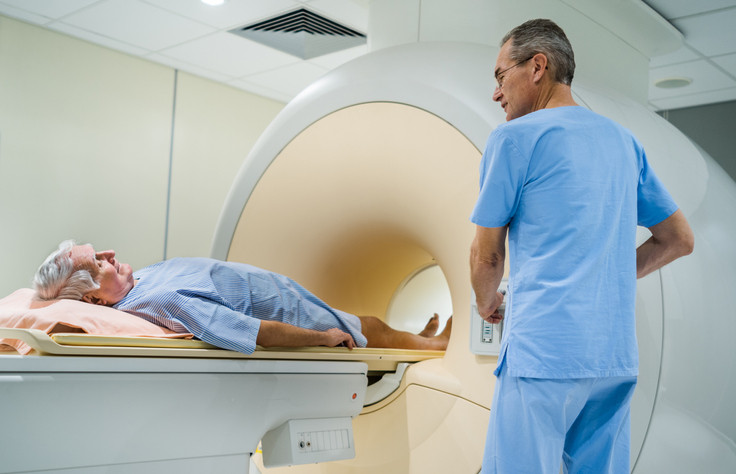
Many men with prostate cancer who have a radical prostatectomy (prostate removal) receive radiation therapy afterward to wipe out any residual cancer cells. Alternatively, men can choose to delay radiotherapy and be monitored for evidence of prostate cancer activity, such as a rising blood level of prostate-specific antigen (PSA). If PSA testing or an imaging test like an MRI shows cancer, these men can then consider radiation therapy.
According to the findings of an analysis published online Sept. 28, 2020, by The Lancet, there is no clear benefit of immediate radiation over monitoring with later radiation therapy as necessary. Since some men will never need radiotherapy, this means that by forgoing immediate treatment, they can avoid potential side effects like incontinence and bowel problems.
CoQ10: Should you take this popular supplement if you're on a statin?
Microplastics: A hidden health threat?
Oat vs. dairy milk: Nutrition, benefits, and downsides
What is tempeh? Benefits, nutrition, and how to use it
Healing after food poisoning
Children of centenarians may stay healthier and live longer too, study finds
Light exposure at night may raise risk for heart disease
Whole grains may improve several heart risk factors at once
A lumbar belt may help ease low back pain
Signs of pneumonia: Sometimes vague and unexpected
Free Healthbeat Signup
Get the latest in health news delivered to your inbox!
Sign Up
