

CoQ10: Should you take this popular supplement if you're on a statin?

Microplastics: A hidden health threat?

Oat vs. dairy milk: Nutrition, benefits, and downsides

What is tempeh? Benefits, nutrition, and how to use it

Healing after food poisoning

Children of centenarians may stay healthier and live longer too, study finds

Light exposure at night may raise risk for heart disease

Whole grains may improve several heart risk factors at once

A lumbar belt may help ease low back pain

Signs of pneumonia: Sometimes vague and unexpected
Contraception and birth control Archive
Articles


Is this normal?
Vaginal discharge can change with age. Here's how to spot signs of a problem that might warrant a trip to the doctor.
Vaginal discharge and bleeding can change during different stages of life, and what's typical for you might not be typical for your sister, your daughter, or your friend. "When it comes to vaginal discharge, a wide range of 'normal' can be considered," says Dr. Kristin Hung, instructor in obstetrics, gynecology, and reproductive biology at Harvard Medical School.
Not only is there natural variation between women, but what's normal for your own body may also change over time. So how can you tell when something is wrong, or if the changes you're noticing are just the result of aging or hormonal shifts? "Typically, most women know their own bodies, and anything new, unusual, or persistent is a reason to seek evaluation," says Dr. Hung. That said, she adds, there are some changes that are pretty typical and others that might warrant a little more scrutiny through a visit to your doctor. Here's how to tell the difference.


Can some postmenopausal women with breast cancer skip chemotherapy?
Advances in breast cancer research have led to more personalized treatments, based on subtyping and more sophisticated testing. A risk assessment test can predict that some women do not need chemotherapy but will benefit from hormone therapy, and who might benefit more from both treatments.


Women, alcohol, and COVID-19

An emerging treatment option for men with recurring prostate cancer after radiation therapy
Prostate cancer is often a multifocal disease, meaning that several tumors can be present in different parts of gland at the same time. Not all of these tumors are equally problematic, however. And it’s increasingly thought that the tumor with the most aggressive features — called the index lesion — dictates how a man’s cancer […]

Should I continue PSA screening for prostate cancer?
On call
Q. I am 74 years old and unsure whether I want to continue with PSA screening for prostate cancer. Before deciding, I wanted to better understand my options since I probably would not want surgery or radiation therapy if I do have prostate cancer. What is your approach?
A. No matter what your age, men should ask themselves these types of questions before having a blood test for PSA (prostate-specific antigen) to look for hidden prostate cancer.
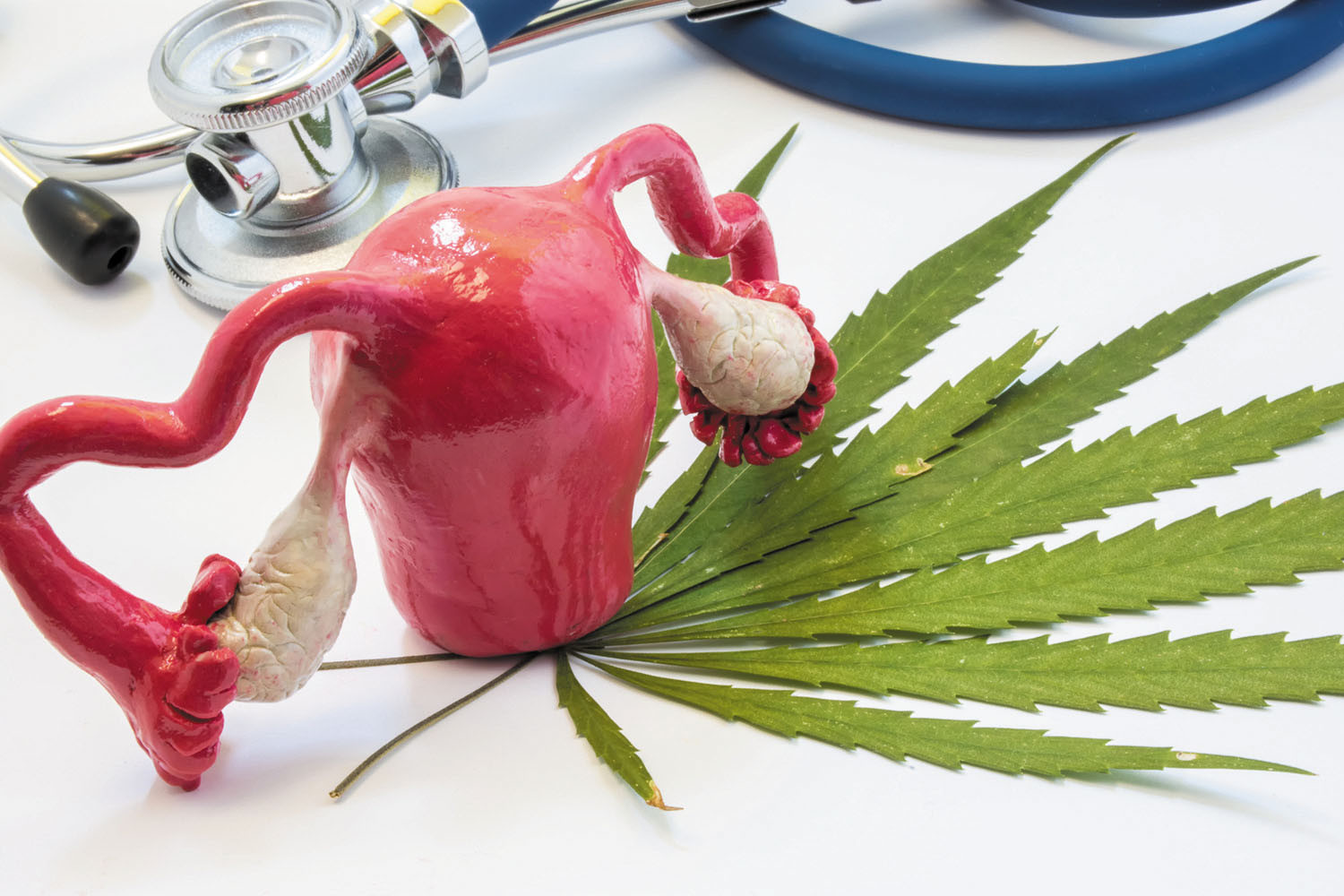
Does cannabis use impede conception?
Research we're watching
Women who use marijuana may have more difficulty getting pregnant than women who don't, according to a study published online Jan. 11, 2021, by the journal Human Reproduction.
The study looked at 1,200 women who were trying to conceive after experiencing either one or two miscarriages. The researchers followed the women for six monthly cycles and tracked those who became pregnant for the duration of their pregnancy. Those who reported using marijuana or hashish in the past 12 months or whose urine samples showed evidence of cannabis were 40% less likely to get pregnant during each monthly cycle than those who didn't use cannabis. Only 42% of the cannabis users became pregnant during the study period, compared with 66% of non-users. There did not, however, appear to be any difference in miscarriage rate between users and non-users. The study authors said that further research is needed to confirm the results.

Can I take ED drugs after a heart attack?
On call
Q. I had a major heart attack earlier this year and received a drug-eluting stent. My doctor tells me that it's now safe to exercise and engage in sexual activity. But is it safe to use erectile dysfunction (ED) medications?
A. Most men who have recovered from a heart attack can resume their usual sex life. Once your doctor allows you to engage in moderate aerobic activity — sexual activity is often equated to the exercise level of brisk walking — you may safely use ED medications with certain precautions.
CoQ10: Should you take this popular supplement if you're on a statin?
Microplastics: A hidden health threat?
Oat vs. dairy milk: Nutrition, benefits, and downsides
What is tempeh? Benefits, nutrition, and how to use it
Healing after food poisoning
Children of centenarians may stay healthier and live longer too, study finds
Light exposure at night may raise risk for heart disease
Whole grains may improve several heart risk factors at once
A lumbar belt may help ease low back pain
Signs of pneumonia: Sometimes vague and unexpected
Free Healthbeat Signup
Get the latest in health news delivered to your inbox!
Sign Up
