

CoQ10: Should you take this popular supplement if you're on a statin?

Microplastics: A hidden health threat?

Oat vs. dairy milk: Nutrition, benefits, and downsides

What is tempeh? Benefits, nutrition, and how to use it

Healing after food poisoning

Children of centenarians may stay healthier and live longer too, study finds

Light exposure at night may raise risk for heart disease

Whole grains may improve several heart risk factors at once

A lumbar belt may help ease low back pain

Signs of pneumonia: Sometimes vague and unexpected
Colorectal Cancer Archive
Articles
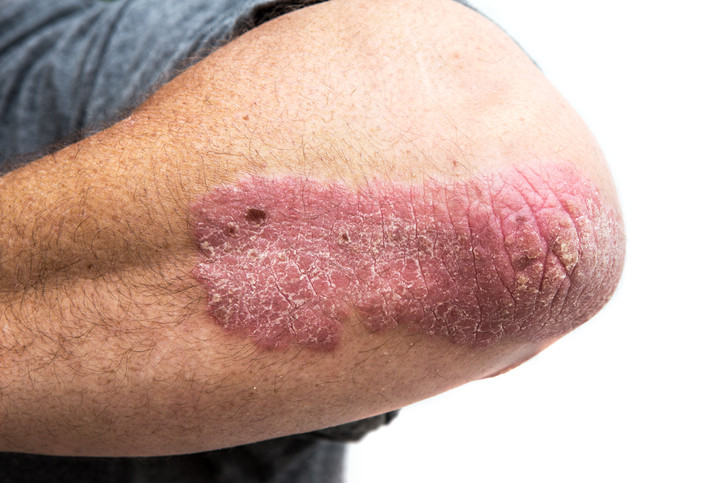
Psoriasis and cancer: What’s the link?
An analysis of studies found an association between people with psoriasis and an increased risk of developing several types of cancer. While this does not establish a definitive link, psoriasis is a relatively common condition and those who have it should be aware of its implications.

Suffering from "chemo brain"? There's hope and many things you can do
Over the past decade, research has revealed that the majority of patients treated for cancer experience difficulties with memory, attention, concentration, and thinking. There are several lifestyle actions that can help improve these symptoms, as well as certain medications.

Government advisory board recommends against screening for pancreatic cancer
Research we're watching
Screening symptom-free adults for pancreatic cancer doesn't appear to reduce deaths from the disease, according to a new analysis by the U.S. Preventive Services Task Force (USPSTF). The group advises against recommending screening in this group.
Pancreatic cancer is relatively uncommon, but the prognosis for people who get it is often poor, because it is frequently found at an advanced stage. This has made it the third most common cause of deaths from cancer in the United States. It was hoped that screening for the disease would enable doctors to spot cases earlier, when they might be easier to treat. However, the USPSTF reviewed findings on pancreatic cancer screening in people without symptoms and determined that there is no evidence that screening in this group — or treating cases of pancreatic cancer found on screening tests — reduces deaths from the disease. The task force concluded that the benefits of screening do not outweigh the potential harms.

Women with post-traumatic stress disorder may be at higher risk for ovarian cancer
Research we're watching
Could a traumatic experience raise the risk of ovarian cancer? Researchers at the Harvard T.H. Chan School of Public Health and Moffitt Cancer Center found that women who remembered experiencing six or more symptoms of post-traumatic stress disorder (PTSD) had double the risk of later developing ovarian cancer, compared with women who had not reported PTSD symptoms. They were also more likely to develop a more aggressive form of the cancer. The researchers looked at data from more than 50,000 women who participated in the Nurses' Health Study II. Early in the study, women were asked to identify their most stressful life experience and any PTSD symptoms they had experienced following that event. Researchers then looked to see which of the women went on to develop ovarian cancer. The study, published Sept. 5 in Cancer Research, found higher cancer risk persisted even if a woman's PTSD symptoms had occurred decades in the past. Past animal research suggests that stress hormones may spur tumor growth.
Image: martinedoucet/Getty Images

Is it time to stop skimming over full-fat dairy?
For years, the conventional wisdom about dairy is that we should be eating less of it, and when we do have any it should be low-fat or fat-free. But more recent research suggests that some full-fat dairy in our diets could in fact be beneficial, though the type of dairy still matters.

Don't give up on grains
Whole grains contain fiber and nutrients that can help your health.
It's a low-carb world, and many people are pushing grains off their plate in an effort to control their waistline. But they may be doing their body a disservice. Whole grains have some unique properties that make them a valuable addition to the diet. Not only do they contain a host of nutrients, such as iron, B vitamins, copper, zinc, and magnesium, but studies have linked diets rich in whole grains to a lower risk of colon cancer, which is a growing health threat for many younger Americans.
"The main benefit of whole cereal grains, such as wheat, oats, and barley, is in the fiber," says Teresa Fung, adjunct professor in the Department of Nutrition at the Harvard T.H. Chan School of Public Health. "Cereal fiber is different from vegetable fiber or bean fiber."

Stay ahead of skin cancer
Learn to spot an actinic keratosis before it becomes cancerous.
About 58 million people have at least one actinic keratosis (AK), a precancerous skin growth caused by too much sun exposure.
Yet most people don't see the potential danger in these lesions because they are small, with few if any annoying symptoms, and can go away almost as fast as they appear.
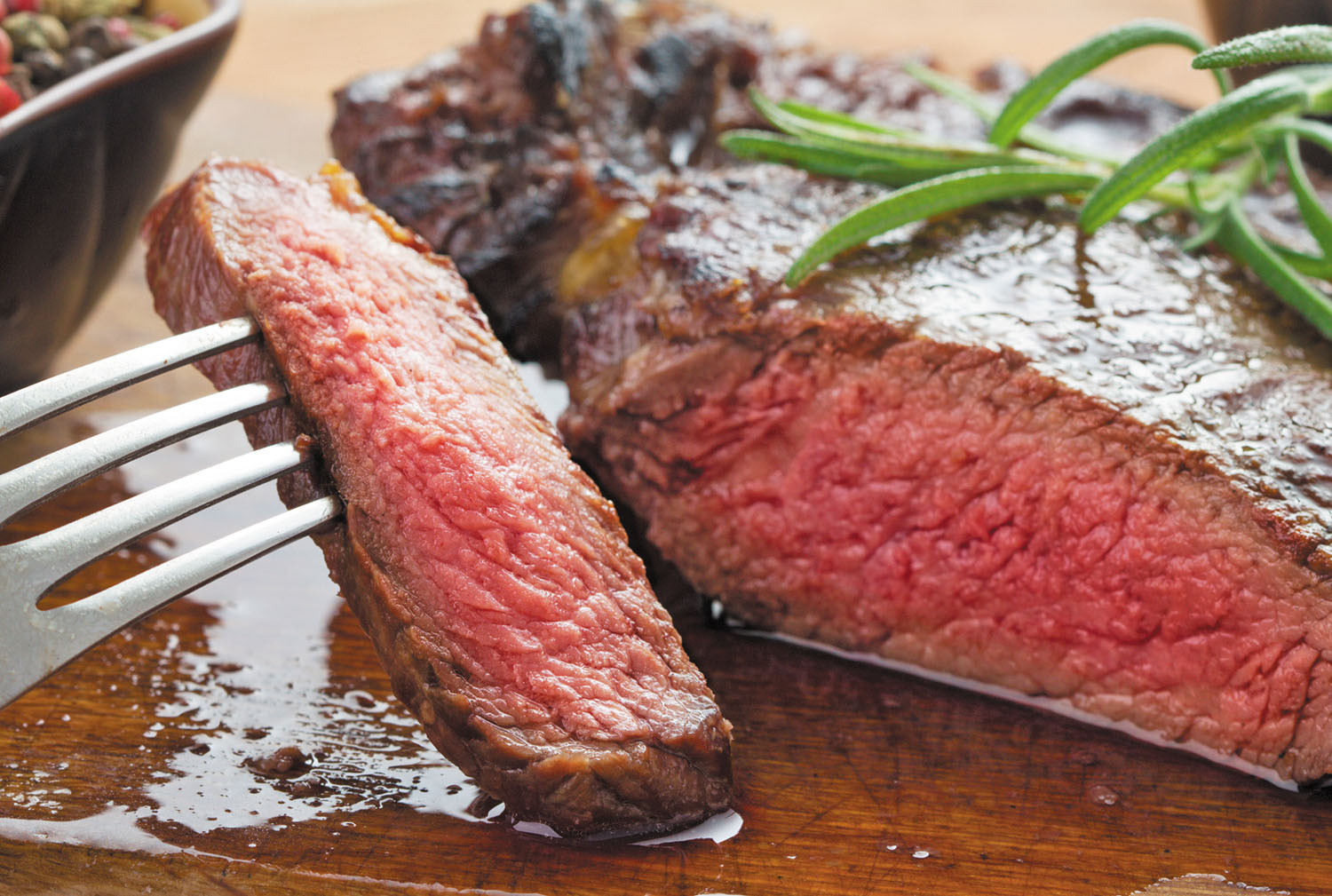
Harvard researchers: Red meat consumption tied to early death
News briefs
We already know that a diet rich in red meat is linked to many health problems, such as heart disease, type 2 diabetes, and colorectal cancer. Now a Harvard-led study published online June 12, 2019, by BMJ suggests that boosting your red meat intake increases your risk for early death. Scientists analyzed questionnaire answers about health and diet provided by more than 81,000 healthy men and women between 1986 and 2010. In particular, researchers looked at whether changes in red meat consumption during an eight-year period of the study affected the risk of death eight years later. The findings: An increase of just half a serving of processed red meat per day was associated with a 13% higher risk for dying young from any cause; an additional half-serving of unprocessed red meat increased the risk by 9%. On the flip side, decreasing total red meat consumption and increasing the consumption of nuts, fish, poultry without skin, dairy, eggs, whole grains, or vegetables was tied to a lower risk of death. The takeaway: Try to curb your appetite for red and processed meats like bacon, salami, and hot dogs. Eat more poultry, fish, or plant-based proteins (like beans, lentils, nuts, and seeds), along with the other components of a healthy diet.
Image: © Pavlo_K/Getty Images

Colorectal cancer screening before age 50?

CoQ10: Should you take this popular supplement if you're on a statin?
Microplastics: A hidden health threat?
Oat vs. dairy milk: Nutrition, benefits, and downsides
What is tempeh? Benefits, nutrition, and how to use it
Healing after food poisoning
Children of centenarians may stay healthier and live longer too, study finds
Light exposure at night may raise risk for heart disease
Whole grains may improve several heart risk factors at once
A lumbar belt may help ease low back pain
Signs of pneumonia: Sometimes vague and unexpected
Free Healthbeat Signup
Get the latest in health news delivered to your inbox!
Sign Up
