

People who walk more or walk faster live longer, study finds

Rosacea treatments: What works?

For sleep apnea, a dental device may be as effective as CPAP

Carb cycling: What is it, and does it work?

Understanding orthorexia: Have your healthy eating goals gone too far?

Melatonin or magnesium: Can either supplement help you sleep?

Salmonella, E. coli, Cyclospora, and other germs that cause food poisoning: What you need to know

Naturally gluten-free foods

Harvard study: Healthier fats linked to longer life after prostate cancer diagnosis

Shingrix shingles vaccine linked with lower heart disease risks
Cognitive fitness Archive
Articles

Can migraines affect how your brain processes memory?
Memory changes during a migraine can be unsettling and may have several explanations. See which symptoms need prompt medical attention and follow-up.
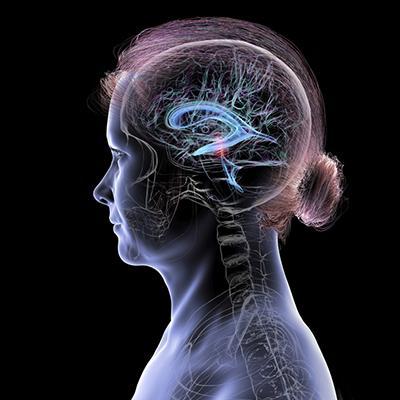
From periods to menopause: How estrogen levels throughout life affect women's brain health
Women’s reproductive history, including first period, pregnancy, and menopause, influences their lifetime exposure to estrogen, which appears to shape brain aging and dementia risk. Menopause is believed to be the strongest reproductive factor, with later menopause tied to lower dementia risk.

The surprising cognitive costs of multitasking
Multitasking involves coupling one unconscious activity, such as walking on a treadmill, with a conscious one, such as reading a book. Task-switching involves attempting two conscious tasks at the same time. Constant task-switching can undermine focus, concentration, and working memory.
Worried about dementia? Take better care of your heart
Vascular dementia, which results from brain cell damage due to reduced blood flow, can cause slowed thinking, confusion, and other cognitive changes. Carefully controlling risk factors for cardiovascular disease may help prevent vascular dementia.

Could brief neurological symptoms be a stroke warning?
Sudden changes in speech, balance, and coordination can signal an urgent health concern, especially when they fade quickly or recur.

What can help ease orthostatic tremor?
When clonazepam doesn’t ease the unsteadiness of orthostatic tremor, other medicines may offer options to discuss with your doctor.

Are circles of light a common migraine symptom?
Transparent circles or other visual changes can appear before migraine pain. Find out what these symptoms may mean and what to discuss with your doctor.

Fast-walking "super-movers" may have sharper brains as they age
A 2026 study found that older “super-movers”—adults 80 and older who walk significantly faster than their peers—were substantially less likely than slower walkers to develop cognitive impairment and had larger memory-related brain regions, suggesting that brisk walking speed may signal, or even support, healthier brain aging.

Can a neck artery tear after head or neck trauma lead to a stroke?
Head or neck trauma can sometimes damage key arteries supplying the brain. Find out how this rare injury might trigger a stroke in younger adults.

Digital overload: Coping with the stress of screen time and other digital demands as we get older
Many older adults feel they can’t keep up with the deluge of apps, texts, emails, patient portals, social media, and video calls that are now part of everyday life. Age-related brain changes can make digital overload more challenging, and too much screen time can affect physical and mental health.
People who walk more or walk faster live longer, study finds
Rosacea treatments: What works?
For sleep apnea, a dental device may be as effective as CPAP
Carb cycling: What is it, and does it work?
Understanding orthorexia: Have your healthy eating goals gone too far?
Melatonin or magnesium: Can either supplement help you sleep?
Salmonella, E. coli, Cyclospora, and other germs that cause food poisoning: What you need to know
Naturally gluten-free foods
Harvard study: Healthier fats linked to longer life after prostate cancer diagnosis
Shingrix shingles vaccine linked with lower heart disease risks
Free Healthbeat Signup
Get the latest in health news delivered to your inbox!
Sign Up
