What is neurogenesis?
Ask our experts
Q. What is neurogenesis, and how might it help me become a super-ager?
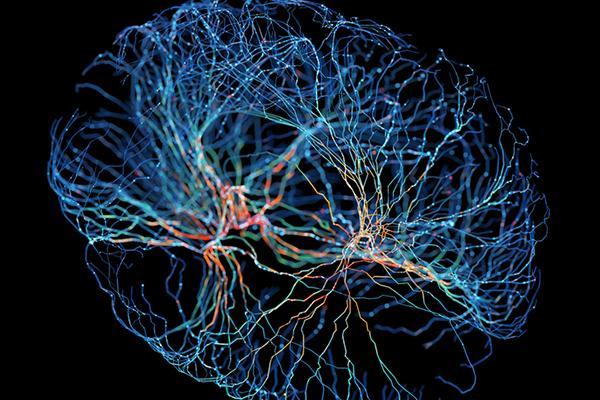
A. For a big word, neurogenesis means something relatively simple: the birth of new nerve cells, called neurons, in the brain. The ability to generate these neurons is increasingly linked to another phenomenon known as super-agers, people 80 and older whose thinking and memory are as sharp as those skills in adults two or three decades younger.
A study published online Feb. 25, 2026, by Nature suggests that super-agers produce nearly twice as many new neurons as peers with a normal memory for their age and 2.5 times more than people with Alzheimer’s disease. With a fresh supply of these nerve cells, the brain is better poised to learn and retain information, sealing memories into place.
One of the strongest ways to promote neurogenesis is something most of us can do: exercise regularly. When you walk briskly, cycle, or swim, for example, you stimulate brain cells called astrocytes to generate new neurons in the hippocampus, the brain structure that’s active in memory retention. Exercise also enhances this effect by spurring astrocytes to remove amyloid — an abnormal protein that’s implicated in Alzheimer’s disease — from the brain.
Image: © Andriy Onufriyenko/Getty Images
About the Author

Rudolph Tanzi, PhD, Contributor
Disclaimer:
As a service to our readers, Harvard Health Publishing provides access to our library of archived content. Please note the date of last review or update on all articles.
No content on this site, regardless of date, should ever be used as a substitute for direct medical advice from your doctor or other qualified clinician.