

CoQ10: Should you take this popular supplement if you're on a statin?

Microplastics: A hidden health threat?

Oat vs. dairy milk: Nutrition, benefits, and downsides

What is tempeh? Benefits, nutrition, and how to use it

Healing after food poisoning

Children of centenarians may stay healthier and live longer too, study finds

Light exposure at night may raise risk for heart disease

A lumbar belt may help ease low back pain

Whole grains may improve several heart risk factors at once

Signs of pneumonia: Sometimes vague and unexpected
Caregiving Archive
Articles

Your amazing parathyroid glands
Most people have four parathyroid glands, which are tiny in size but very important to the body's function. These glands are involved in regulating calcium, phosphorous, and vitamin D, keeping these nutrients in balance without being noticed by us.

Treating female pattern hair loss
Hair loss is a surprisingly common problem for women, particularly after menopause. This condition is typically treated with a medication such as minoxidil, though other options are available, including hair transplant surgery.

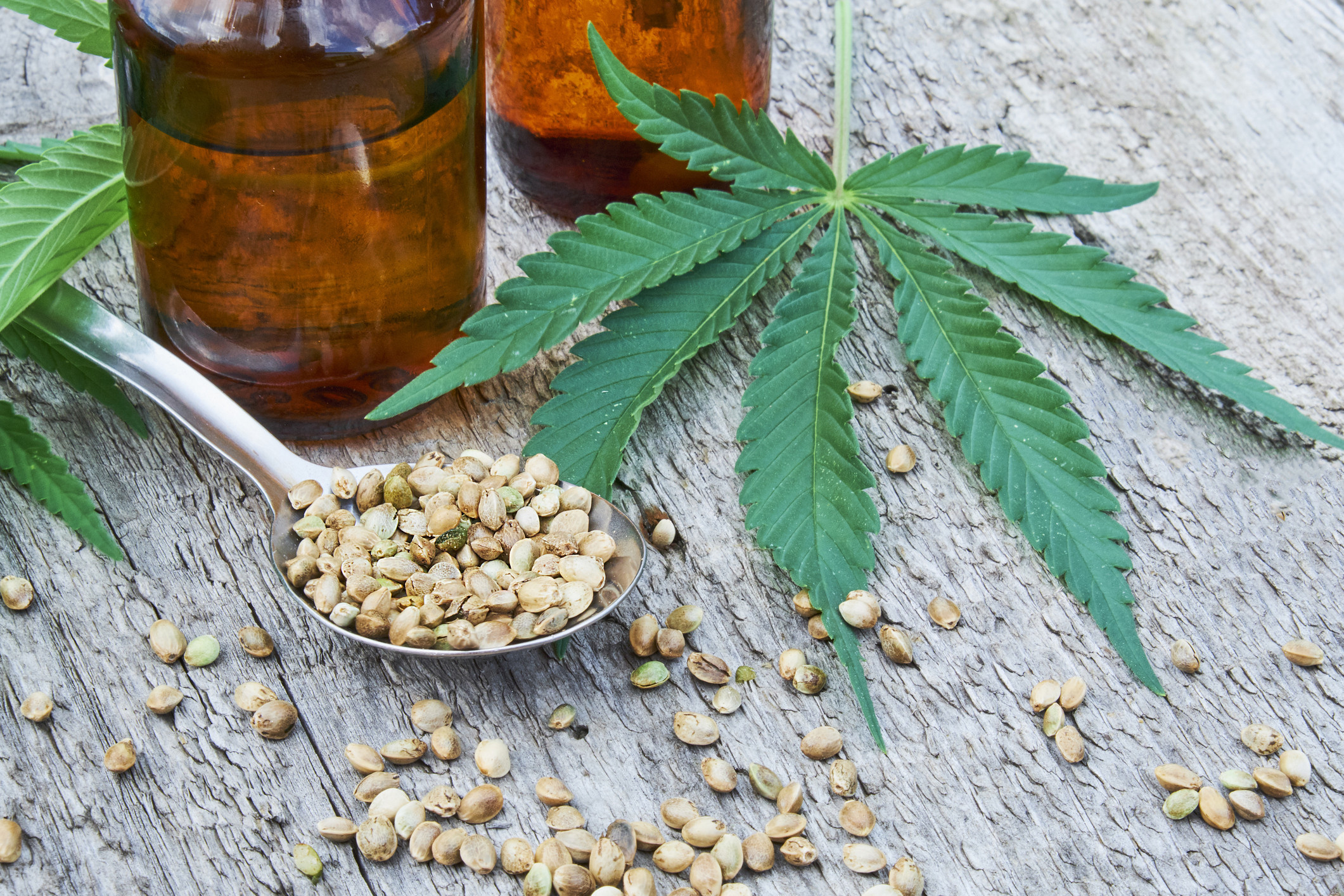
Cannabidiol (CBD): What we know and what we don't
Cannabidiol (CBD) is an active ingredient in cannabis that is derived from the hemp plant, but it does not cause a high and is not addictive. CBD has been shown to be effective in treating conditions like pain, insomnia, and anxiety.


Understanding the stress response
Research suggests that prolonged stress is linked to high blood pressure, clogged arteries, anxiety, depression, addictive behaviors, and obesity.

Is it worrisome to hear a pulse in my ear?
One morning last week I woke up hearing my heartbeat in my left ear. I hear it most clearly when I am in bed or sitting quietly. My health is good, and I was told after a recent cardiac workup that my heart was "perfect." Should I be worried?
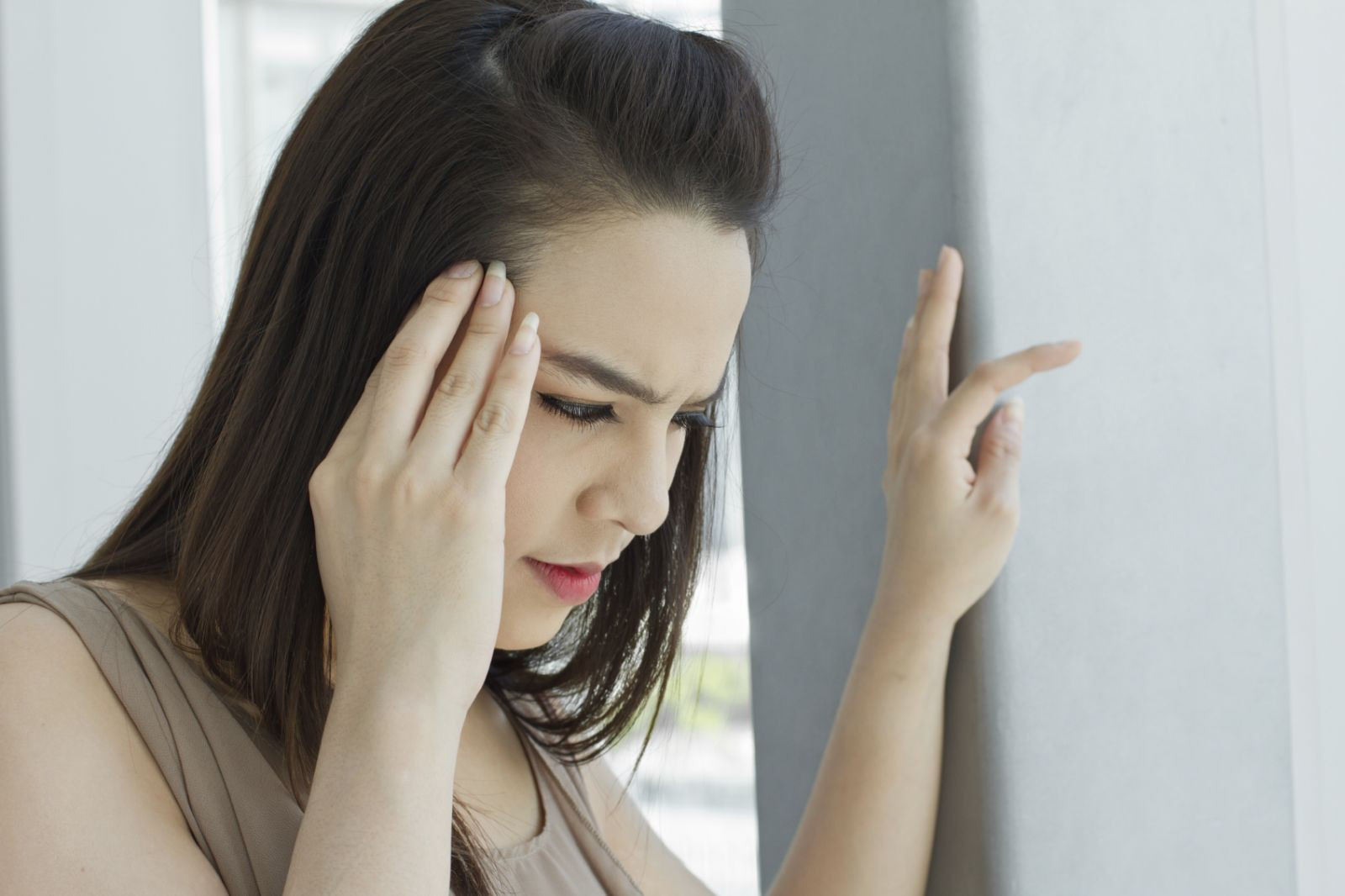
Lightheaded? Top 5 reasons you might feel woozy
Lightheadedness is a feeling of wooziness or faintness. It is commonly caused by dehydration, drug side effects, blood pressure drops, low blood sugar, heart disease, or stroke.
CoQ10: Should you take this popular supplement if you're on a statin?
Microplastics: A hidden health threat?
Oat vs. dairy milk: Nutrition, benefits, and downsides
What is tempeh? Benefits, nutrition, and how to use it
Healing after food poisoning
Children of centenarians may stay healthier and live longer too, study finds
Light exposure at night may raise risk for heart disease
A lumbar belt may help ease low back pain
Whole grains may improve several heart risk factors at once
Signs of pneumonia: Sometimes vague and unexpected
Free Healthbeat Signup
Get the latest in health news delivered to your inbox!
Sign Up
