

CoQ10: Should you take this popular supplement if you're on a statin?

Microplastics: A hidden health threat?

Oat vs. dairy milk: Nutrition, benefits, and downsides

What is tempeh? Benefits, nutrition, and how to use it

Healing after food poisoning

Children of centenarians may stay healthier and live longer too, study finds

Light exposure at night may raise risk for heart disease

A lumbar belt may help ease low back pain

Whole grains may improve several heart risk factors at once

Signs of pneumonia: Sometimes vague and unexpected
Caregiving Archive
Articles


Taking aim at belly fat
Though the visceral fat that lies behind the abdominal wall makes up only a small percentage of the body's fat, a growing body of research indicates that it is linked to a number of diseases and conditions.

Got an ear full? Here's some advice for ear wax removal
Earwax helps keep the ear canal clean, but if it dries out it can clump together and cause a blockage. A few drops of water held in the ear canal for a minute or so will usually dislodge the wax.
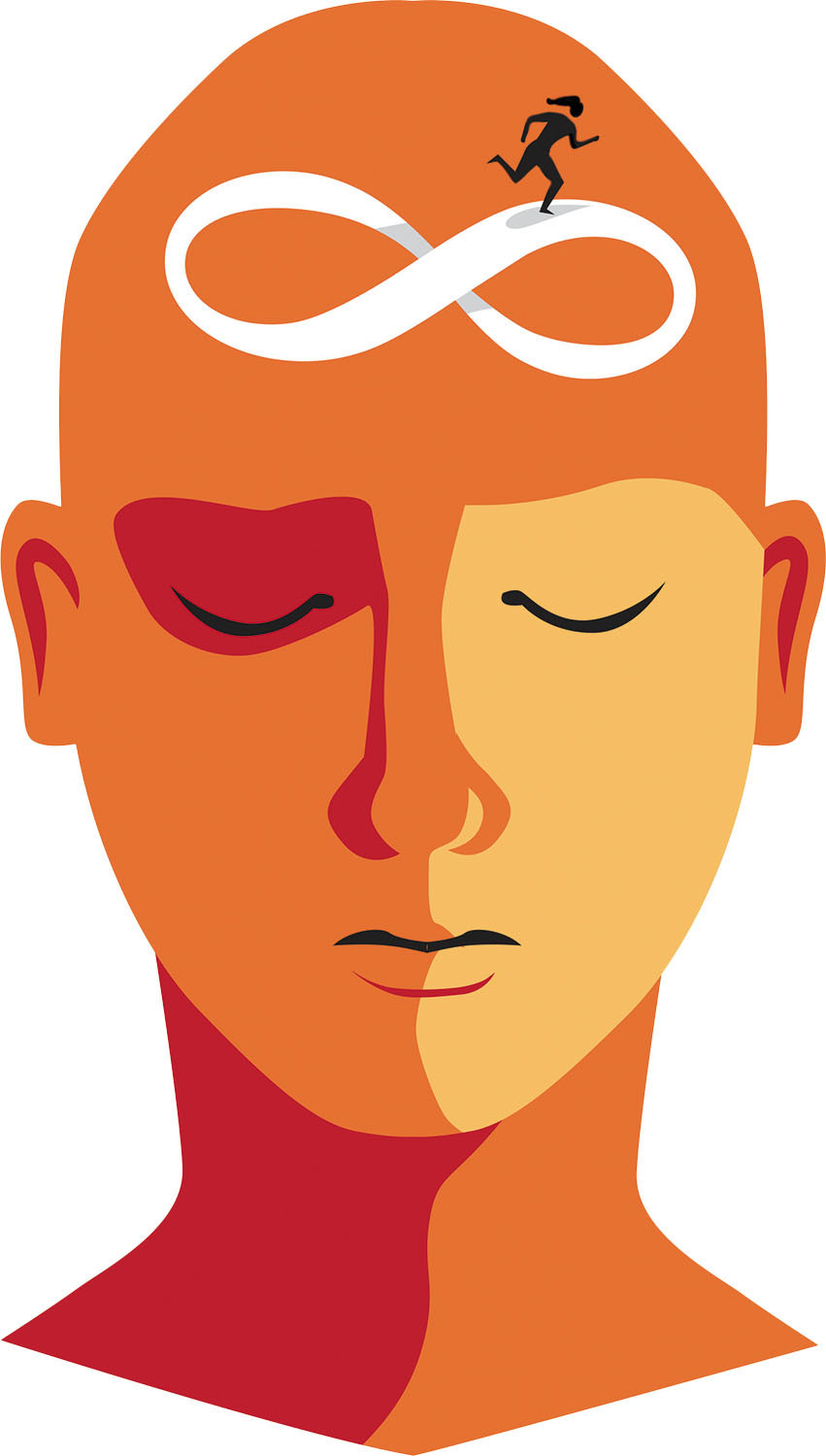
Managing intrusive thoughts
Intrusive thoughts are unwanted thoughts or mental images that make people feel uncomfortable. They're common, affecting some six million Americans and can be effectively managed using tools such as cognitive behavioral therapy. They can be associated with mental health disorders such as obsessive-compulsive disorder or post-traumatic stress disorder, but many people who experience them don't meet the criteria for a mental health disorder. The thoughts may be triggered by stress or anxiety.

How to stay healthy during a drought
With climate change, rising temperatures are making many regions dry within the US and beyond. The effects of droughts on the planet and our health are complex, and include water shortages, higher risk of disease, changes in habitability, and worse air quality.


How well do you worry about your health?
It's impossible to never worry about your health - but are you worrying about the right things? Popular fears and Google and TikTok searches suggest our top concerns may bypass common health issues. So what should concern us and what can we do about it?

Ready to give up the lead vest?
Dental x-rays have long involved donning lead-lined shields. But new guidelines from the American Dental Association say that using the vest is no longer necessary. What has changed?

Ever worry about your gambling?
Recent changes in laws have made gambling widely accessible and popular. Uncontrolled gambling can have many kinds of consequences, some quite serious. A simple screening test for problem gambling and knowing the range of available resources can help people ward off the worst of these issues.

Eating more tomatoes may help lower high blood pressure
A 2023 study found that people who said they ate the most tomatoes (more than 110 grams per day, for three years) experienced a 36% reduction in hypertension, compared with people who said they ate the least tomatoes per day (less than 44 grams).
CoQ10: Should you take this popular supplement if you're on a statin?
Microplastics: A hidden health threat?
Oat vs. dairy milk: Nutrition, benefits, and downsides
What is tempeh? Benefits, nutrition, and how to use it
Healing after food poisoning
Children of centenarians may stay healthier and live longer too, study finds
Light exposure at night may raise risk for heart disease
A lumbar belt may help ease low back pain
Whole grains may improve several heart risk factors at once
Signs of pneumonia: Sometimes vague and unexpected
Free Healthbeat Signup
Get the latest in health news delivered to your inbox!
Sign Up
