

CoQ10: Should you take this popular supplement if you're on a statin?

Microplastics: A hidden health threat?

Oat vs. dairy milk: Nutrition, benefits, and downsides

What is tempeh? Benefits, nutrition, and how to use it

Healing after food poisoning

Children of centenarians may stay healthier and live longer too, study finds

Light exposure at night may raise risk for heart disease

A lumbar belt may help ease low back pain

Whole grains may improve several heart risk factors at once

Signs of pneumonia: Sometimes vague and unexpected
Cancer Archive
Articles

Women with DCIS may benefit from radiation in addition to lumpectomy
Research we're watching
A new study published online August 10 by the Journal of the American Medical Association shows that women with ductal carcinoma in situ (DCIS) — cancerous changes to the cells inside the milk ducts of the breast — may have better results if they have radiation in addition to a lumpectomy.
Researchers examined 15-year outcomes in 140,000 women with DCIS who underwent either lumpectomy or mastectomy alone, or both lumpectomy and radiation. Women who had radiation in addition to lumpectomy procedures were slightly less likely to die from breast cancer than women who had either a lumpectomy or mastectomy procedure alone.

Don't fall for these skin myths
Think you know a lot about skin and skin care? You might be surprised at how much "common knowledge" about keeping your skin clear and healthy is simply not true.
Here, we debunk 10 common myths about skin.
1. The right skin cream can keep your skin looking young.

HPV test may be better than traditional cervical cancer screening method
Research we're watching
A test that screens for human papillomavirus (HPV) beat a commonly used cervical cancer screening method in detecting changes that may lead to cervical cancer, according to a study published July 3 in The Journal of the American Medical Association. Some 19,000 women were screened for cervical cancer using either the HPV test or a more traditional and commonly used liquid-based cytology test. After 48 months, all the women were tested again using both tests. Researchers found that among women who'd had a normal initial screening, those who'd been screened with the HPV test had significantly fewer grade 3 or worse precancerous cervical changes at the final testing compared with those screened with liquid-based cytology.
In response, the U.S Preventive Services Task Force now recommends either HPV testing only once every five years or liquid-based cytology once every three years for women ages 30 to 65.

Is prostate cancer linked with other cancers?
On call
Q. I was recently diagnosed with prostate cancer. Does the occurrence of one type of cancer indicate a greater risk of developing other kinds?
A. Prostate cancer is the most common cancer among men, and almost every man will get prostate cancer if he lives long enough. In general, prostate cancer that develops after age 60 probably does not increase the risk of getting a different kind of cancer. However, there are some exceptions.

Don’t wait until you turn 50 to screen for colon cancer
According to a new guideline, testing should start at age 45, but not everyone needs to have a colonoscopy. Other tests are also available.
Colon cancer screenings for people at average risk for the disease should start at age 45 instead of 50, says a new guideline from the American Cancer Society (ACS).
The change to the screening recommendation, which was published in the May 30 issue of CA: A Cancer Journal for Clinicians, was made because the number of colon cancer cases among adults under age 55 rose 51% from 1994 to 2014, and colon cancer deaths in this age group rose 11% from 2005 to 2015.
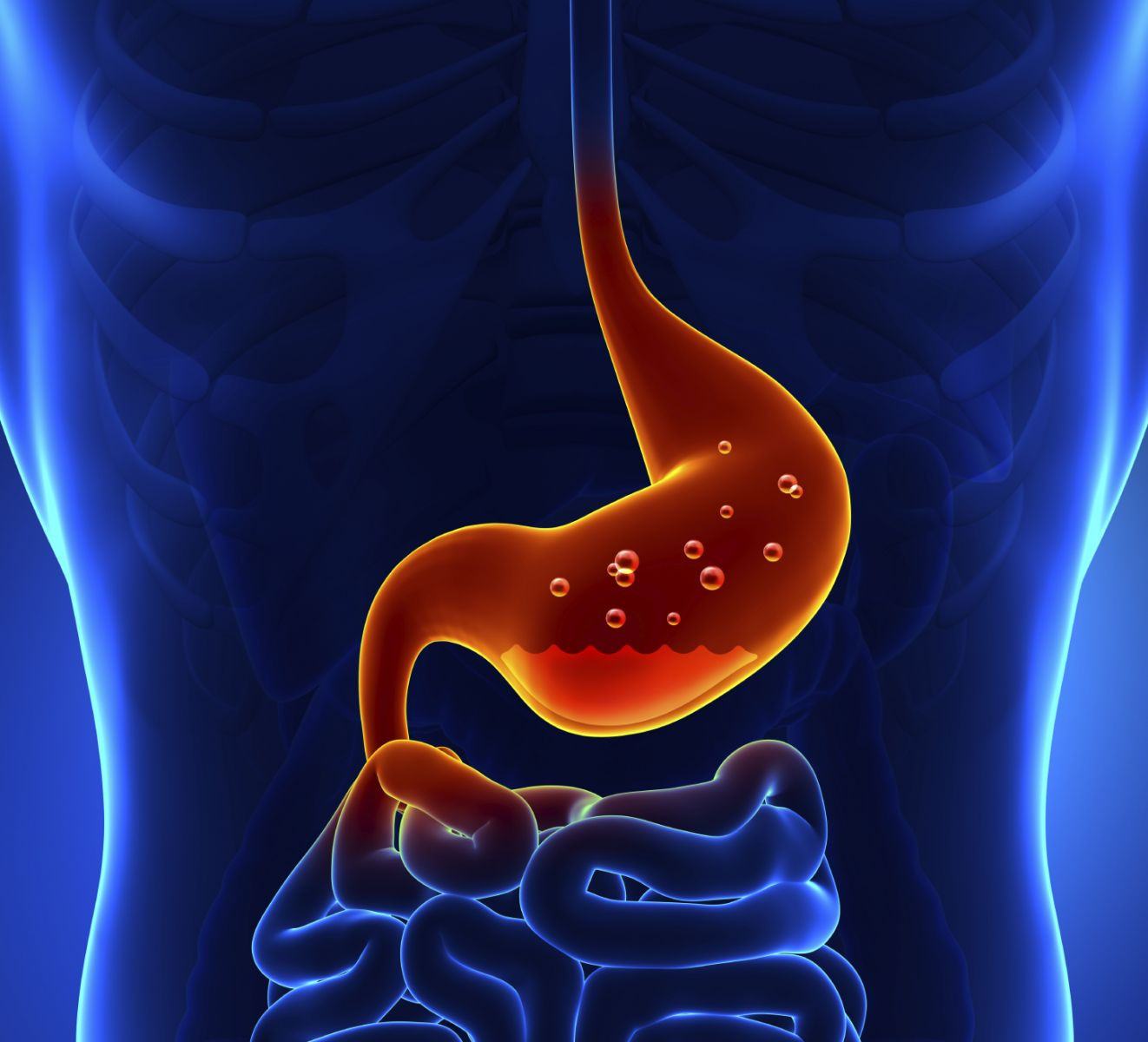
7 ways to get heartburn relief
Functional dyspepsia is no fun. Maybe you've just eaten or finished a meal an hour or so ago — and now your stomach just doesn't "feel right." You feel bloated and uncomfortable. Or maybe it's more of a burning sensation. Maybe you feel queasy, or even throw up. You might say you have an "upset stomach" or indigestion. If there is no known medical cause for your symptoms, your doctor would call it "dyspepsia" or "bad digestion."
Functional dyspepsia
Indigestion is real. The medical term for persistent upper abdominal pain or discomfort without an identifiable medical cause is functional dyspepsia. The symptoms can come and go at any time, but often eating is the trigger. Sometimes the discomfort begins during the meal; other times, about half an hour later.
If you suffer from functional dyspepsia, you're not alone. Roughly 25% of the population is affected, and it hits men and women equally. It's responsible for a significant percentage of visits to primary care doctors, in part because many people worry they might have an ulcer. While it's frustrating that the cause of functional dyspepsia is unknown, it's even more frustrating that there is no surefire cure.
Heartburn and indigestion relief
The good news is that there are simple things you can try to help relieve your functional dyspepsia symptoms:
- Avoid foods that trigger your symptoms.
- Eat small portions and don't overeat; try eating smaller, more frequent meals throughout the day, and be sure to chew food slowly and completely.
- Avoid activities that result in swallowing excess air, such as smoking, eating quickly, chewing gum, and drinking carbonated beverages.
- Reduce your stress. Try relaxation therapies, cognitive behavioral therapy, or exercise. An aerobic workout 3-5 times per week can help, but don't exercise right after eating.
- Get enough rest.
- Don't lie down within two hours of eating.
- Keep your weight under control.
For more on diagnosing and treating indigestion, read The Sensitive Gut, a Special Health Report from Harvard Medical School.

What kind of sun protection is best for babies, pregnant women, and breastfeeding women?
Ask the doctors
Q. Should pregnant or breastfeeding women and their children use sunscreen?
A. The American Academy of Dermatology recommends that people avoid applying sunscreen to the skin of babies younger than 6 months of age, and instead shield them from the sun, keeping them in the shade as much as possible. It's also a good idea to protect them from the sun using clothing, hats, and sunglasses.

Sunscreen in a pill?
Research we're watching
The FDA is warning consumers not to buy in to the idea that a pill can protect your skin from the sun.
In a statement issued May 22, FDA officials said they've found companies selling pills that are labeled as dietary supplements and that claim to protect skin from the sun.
Save your skin from cancer
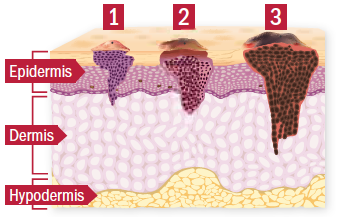
Rates of the two most common skin cancers have more than doubled over the past decade. Here's how to protect yourself.
When it comes to skin cancer, there's good news and bad news. First, the bad news. A report published in the June 2017 Mayo Clinic Proceedings found that cases of basal cell carcinoma (BCC) and squamous cell carcinoma (SCC) skin cancers have risen 263% and 145%, respectively, over the past decade.
The good news? BCC and SCC are rarely life-threatening and they're usually easy to treat if they're caught early. Plus, there are simple ways to prevent them.
CoQ10: Should you take this popular supplement if you're on a statin?
Microplastics: A hidden health threat?
Oat vs. dairy milk: Nutrition, benefits, and downsides
What is tempeh? Benefits, nutrition, and how to use it
Healing after food poisoning
Children of centenarians may stay healthier and live longer too, study finds
Light exposure at night may raise risk for heart disease
A lumbar belt may help ease low back pain
Whole grains may improve several heart risk factors at once
Signs of pneumonia: Sometimes vague and unexpected
Free Healthbeat Signup
Get the latest in health news delivered to your inbox!
Sign Up
