

CoQ10: Should you take this popular supplement if you're on a statin?

Microplastics: A hidden health threat?

Oat vs. dairy milk: Nutrition, benefits, and downsides

What is tempeh? Benefits, nutrition, and how to use it

Healing after food poisoning

Children of centenarians may stay healthier and live longer too, study finds

Light exposure at night may raise risk for heart disease

A lumbar belt may help ease low back pain

Whole grains may improve several heart risk factors at once

Signs of pneumonia: Sometimes vague and unexpected
Cancer Archive
Articles
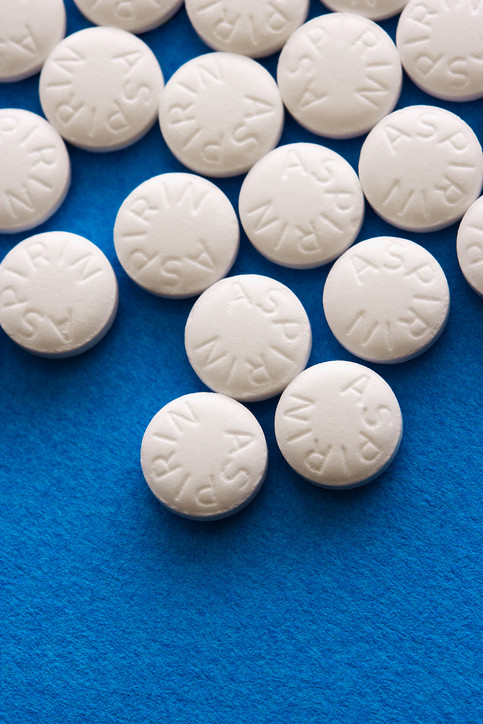
Aspirin and breast cancer risk: How a wonder drug may become more wonderful

Clostridium difficile: An intestinal infection on the rise
Intestinal infection known as C. diff can spread through spores and cause diarrhea
Why would you get an intestinal infection, like C. diff, from treating a different illness with antibiotics?
When you're admitted to a hospital, you expect to receive tests and treatments that will make you feel better. When you get antibiotics in the hospital, you expect that the drugs will treat or prevent infection. But it doesn't always work that way. A distressing number of patients acquire infections while they are in the hospital. And antibiotic therapy can actually increase the odds of coming down with a hospital-acquired infection, particularly when the cause is a bacterium named Clostridium difficile. Although doctors are working hard to control intestinal infections caused by the bug commonly (if not fondly) known as C. diff, the problem is rapidly becoming more common, more serious, and harder to treat.

Study finds weak link between birth control and breast cancer
Overall risk is very small, and older women who used hormonal contraceptives many years ago aren't likely to have a higher risk.
Image: © designer491/Getty Images
Hormonal birth control — whether it comes as pills, injections, a ring, an intrauterine device (IUD), or an implant — may raise your risk of breast cancer, according to a study published Dec. 7, 2017, in The New England Journal of Medicine.
If you're like many women who currently use one of these contraceptive methods, or if you used one for years in the past, should you be worried?

Will removing your fallopian tubes reduce your risk of ovarian cancer?
Increasingly, doctors are turning to prevention for this hard-to treat cancer.
Image: © magicmine/Getty Images
Ovarian cancer is a challenging foe. It's often found at an advanced stage when it's difficult to treat.
In recent years, researchers have learned that many cases of ovarian cancer don't even start in the ovaries. "It turns out that ovarian cancer is a bit of a misnomer. We think a portion of ovarian cancers actually arise from cells in the fallopian tubes," says Shelley Tworoger, adjunct associate professor of epidemiology at Harvard Medical School and associate center director of population science at the Moffitt Cancer Center.

Postmenopausal bleeding: Don’t worry — but do call your doctor
Bleeding indicates cancer only in a small percentage of cases, even though endometrial cancers are on the rise in American women.
You've gone through menopause and you thought your periods were a thing of the past — but suddenly, you're bleeding again, more than a year after your last period.
Should you be concerned?
The good news according to an analysis published in JAMA Internal Medicine, is that most likely your bleeding is caused by a noncancerous condition, such as vaginal atrophy, uterine fibroids, or polyps. But the study also reinforces the idea that postmenopausal bleeding should always be checked out by your doctor to rule out endometrial cancer, a cancer of the uterine lining, says Dr. Ross Berkowitz, William H. Baker Professor of Gynecology at Harvard Medical School.

Oral health problems may raise cancer risk
Research we're watching
Need another reason to make your oral health a priority? Researchers at Harvard's T.H. Chan School of Public Health found that people with a history of gum disease also have a higher risk of stomach and esophageal cancers. They outlined their work in a letter published online in July 2020 by the journal Gut.
The researchers looked at two large studies involving a total of nearly 150,000 men and women. They found that during the studies' follow-up periods, which ranged from 22 to 28 years, people who had gum disease had a 43% higher risk of developing esophageal cancer and a 52% higher risk of developing stomach cancer compared with people whose gums were healthier. The authors proposed some ideas as to what was driving increased risk, such as greater exposure to oral bacteria or harmful substances produced by those bacteria. The authors said more study is needed to confirm their results.

Gum disease linked to an increased risk for cancer
News briefs
Having gum disease increases your risk for many health problems other than tooth loss, such as heart disease. To add to the list, a study from Harvard summarized in a letter published online July 20, 2020, by the journal Gut suggests that the microbes camping out between your teeth and gums may affect your risk for cancers of the stomach and esophagus. Harvard scientists analyzed health data from two large studies that included almost 150,000 men and women. In up to 28 years of follow-up, people with a history of periodontal (gum) disease were 43% more likely to develop esophageal cancer and 52% more likely to develop gastric (stomach) cancer compared with people whose gums were healthier. The risk was even higher in those with gum disease severe enough to cause tooth loss. The study is observational and doesn't prove that gum disease causes cancer, but it could mean that someday doctors will include a look at your gum health when assessing your overall risk. Fortunately, it's easy to prevent gum disease. The American Dental Association recommends that you brush your teeth twice per day, floss at least once per day, and get a dental exam and cleaning regularly.
Image: © Ridofranz/Getty Images

More daily movement may lower cancer deaths
In the journals
Greater amounts of physical activity during the day are associated with lower risk of dying from cancer, according to a study published online June 18, 2020, by JAMA Oncology.
The study involved about 8,000 people, average age 70, who did not have a cancer diagnosis. Each wore an accelerometer on the hip during waking hours for a week to collect movement data.
Do hemorrhoids increase my cancer risk?
Ask the doctors
Q. I have hemorrhoids. Could this increase my risk of colon cancer?
A. In short, no. Hemorrhoids don't cause or increase your risk for colon or rectal cancer. However, the two conditions may be mistaken for one another because they can produce similar symptoms, such as rectal bleeding, itching, and pain.

Putting the kibosh on belching
Constant burping can be annoying — and embarrassing! But there are some simple steps that can help you squelch belching. The key is to reduce the amount of air you swallow.
Start by looking at some simple habits. Two of the biggest culprits behind swallowing too much air are chewing gum and smoking. Drop these habits and you'll be gulping less air — and quitting smoking has even more important health benefits! If you wear dentures, make sure they fit snugly. And avoid "high-air" foods and beverages like carbonated beverages and whipped desserts. After eating, consider taking a stroll rather than plunking down in front of the TV. Staying upright and moving helps your stomach empty and relieves bloated feelings. When it's time to go to bed, try sleeping on your stomach or right side to aid in the escape of gas and alleviate fullness.
CoQ10: Should you take this popular supplement if you're on a statin?
Microplastics: A hidden health threat?
Oat vs. dairy milk: Nutrition, benefits, and downsides
What is tempeh? Benefits, nutrition, and how to use it
Healing after food poisoning
Children of centenarians may stay healthier and live longer too, study finds
Light exposure at night may raise risk for heart disease
A lumbar belt may help ease low back pain
Whole grains may improve several heart risk factors at once
Signs of pneumonia: Sometimes vague and unexpected
Free Healthbeat Signup
Get the latest in health news delivered to your inbox!
Sign Up
