

Signs of pneumonia: Sometimes vague and unexpected

Using a vibration plate: What it can — and can't — do for your body

The surprising link between ovarian cancer and the fallopian tubes

People who walk more or walk faster live longer, study finds

For sleep apnea, a dental device may be as effective as CPAP

Rosacea treatments: What works?

Carb cycling: What is it, and does it work?

Salmonella, E. coli, Cyclospora, and other germs that cause food poisoning: What you need to know

Melatonin or magnesium: Can either supplement help you sleep?

Understanding orthorexia: Have your healthy eating goals gone too far?
Bronchitis Archive
Articles
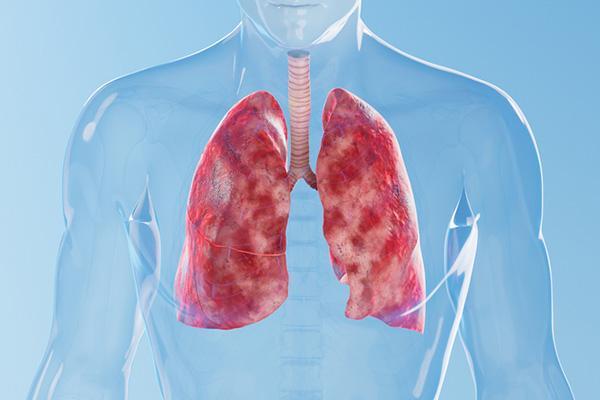
What's the difference between walking pneumonia and bronchitis?
Walking pneumonia and bronchitis can cause similar symptoms, but walking pneumonia is usually caused by bacteria, and bronchitis typically arises from a virus. Symptoms alone can’t reliably tell the two conditions apart.
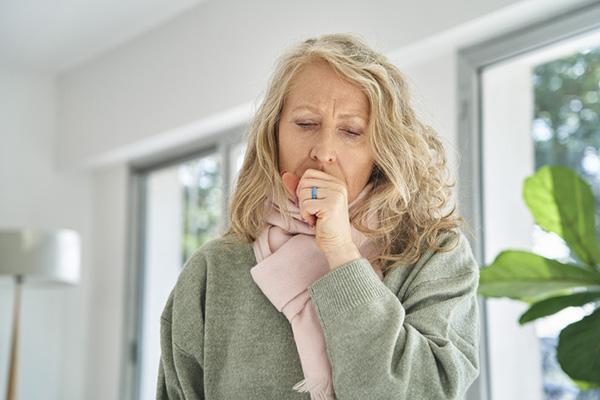
Signs of pneumonia: Sometimes vague and unexpected
Less-recognized symptoms of “classic” pneumonia can include unusual exhaustion, shortness of breath out of proportion to what a person is doing, confusion or sudden mental changes, nausea or loss of appetite, mild fever or none at all, sweating, chills, rapid breathing, or fast heart rate.
Could a lingering cough after a cold signal asthma?
A post-cold cough may signal more than a temporary problem. See how reactive airways disease is evaluated and whether risk can be passed to children.
Walking pneumonia: The "mild" illness that can still pack a punch
Walking pneumonia is a mild form of pneumonia that typically doesn’t stop people from undertaking normal daily activities. Early symptoms can include sore throat, fatigue, mild fever or chills, headache, and a runny or stuffy nose. As it progresses, people may develop a persistent dry cough, chest discomfort, and shortness of breath with exertion.

Ask the Doc: What Causes Shortness of Breath?
Some common causes of shortness of breath include lung and heart conditions, asthma, COPD, infections, anxiety, and anemia. Dr. David Roberts reviews warning signs that require urgent medical attention
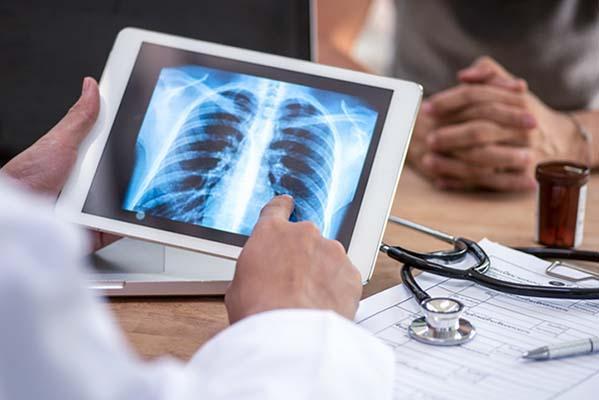
What tests may confirm sarcoidosis?
Suspected sarcoidosis can involve several tests, and the path to diagnosis may depend on where doctors can safely find useful tissue.
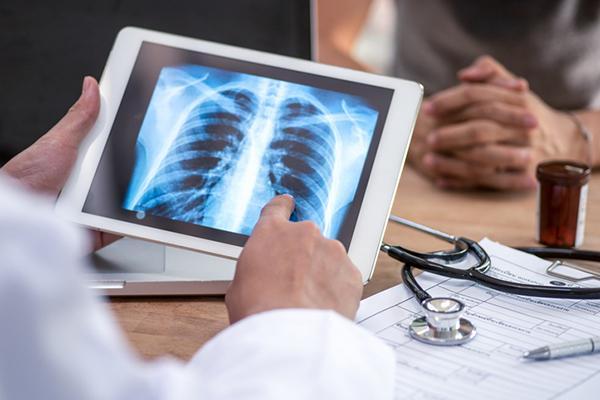
What are pulmonary calcifications?
Calcium deposits in the lungs can follow infections, bleeding, high calcium levels, or past exposures. Doctors will review imaging test results and medical history to help clarify their significance.
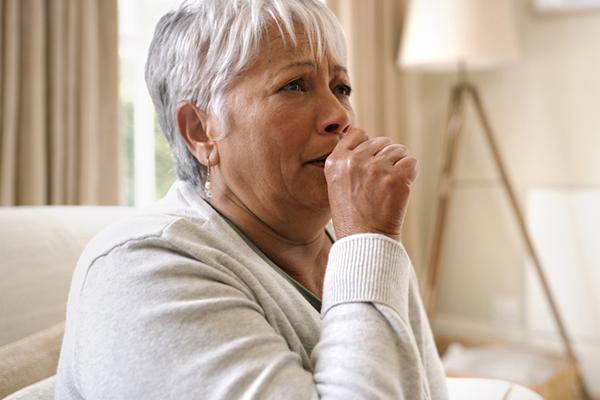
COPD symptoms: How to spot them early
Early symptoms of chronic obstructive pulmonary disease (COPD) can be subtle and progress slowly. They include shortness of breath, chronic cough, fatigue, increased mucus or phlegm, and intermittent wheezing or chest tightness.
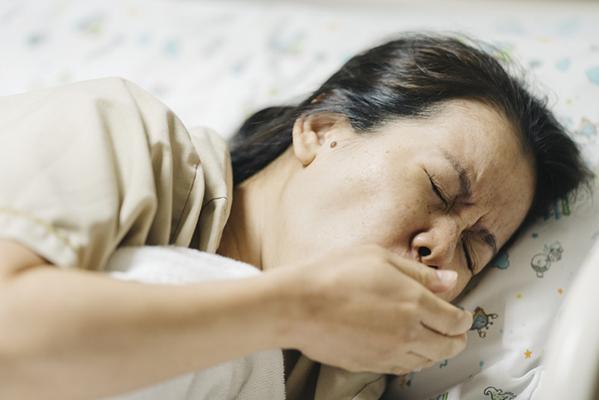
Why do I cough more at night or first thing in the morning?
People may cough more at night or in the morning due to phlegm or throat irritation that affects the airways when they’re lying flat. Coughing helps clear mucus and other secretions that collect there.
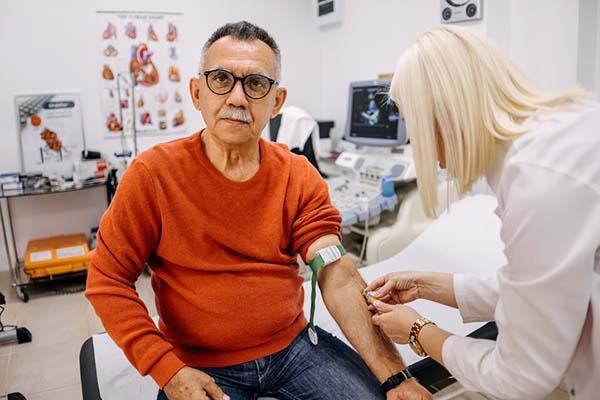
How long after using nicotine can a blood test still detect it?
Blood tests can show recent nicotine use, how heavily you’ve been exposed, and why traces may still appear days after your last cigarette.
Signs of pneumonia: Sometimes vague and unexpected
Using a vibration plate: What it can — and can't — do for your body
The surprising link between ovarian cancer and the fallopian tubes
People who walk more or walk faster live longer, study finds
For sleep apnea, a dental device may be as effective as CPAP
Rosacea treatments: What works?
Carb cycling: What is it, and does it work?
Salmonella, E. coli, Cyclospora, and other germs that cause food poisoning: What you need to know
Melatonin or magnesium: Can either supplement help you sleep?
Understanding orthorexia: Have your healthy eating goals gone too far?
Free Healthbeat Signup
Get the latest in health news delivered to your inbox!
Sign Up
