How long after using nicotine can a blood test still detect it?
Ask the doctor
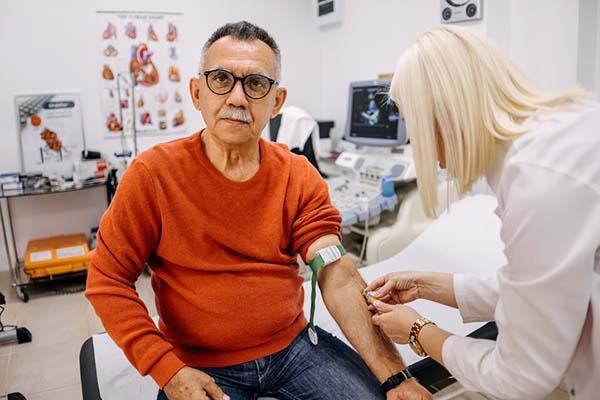
Q. Can nicotine be detected in the blood? For how long?
A. Nicotine can be detected in the blood of people exposed to nicotine-containing products, whether from smoking cigarettes, chewing tobacco, environmental smoke, or secondhand smoke. However, nicotine breaks down in the body very rapidly, so nicotine levels are only measurable for a few hours after exposure.
Cotinine is produced by the body as it breaks down nicotine. It does not generally arise from other sources. Cotinine remains in the body for longer periods of time. Measuring cotinine levels in the blood has been used to determine whether people have been exposed to nicotine.
How long cotinine will be detectable in blood depends on how high the starting level is. The level of cotinine will drop by 50% in about 18 to 20 hours. For people exposed to small amounts of nicotine (such as light smokers), the cotinine level may be similar to the level seen from environmental exposure. For people with high amounts of nicotine exposure (heavy smokers), the cotinine level may be elevated for up to one week after quitting.
Image: © StefaNikolic/Getty Images
Disclaimer:
As a service to our readers, Harvard Health Publishing provides access to our library of archived content. Please note the date of last review or update on all articles.
No content on this site, regardless of date, should ever be used as a substitute for direct medical advice from your doctor or other qualified clinician.