

Naturally gluten-free foods

Harvard study: Healthier fats linked to longer life after prostate cancer diagnosis

Shingrix shingles vaccine linked with lower heart disease risks

Estrogen-only hormone therapy tied to lower dementia risk

Should you have a hysterectomy?

Stair climbing may significantly lower cardiovascular risks

Why do I sweat so much?

Walking pneumonia: The "mild" illness that can still pack a punch

What causes knee pain: How doctors make a diagnosis

Where you carry excess weight matters in predicting heart disease risk
Brain health Archive
Articles

Brain fog: Memory and attention after COVID-19
Brain fog, meaning slow or sluggish thinking, can occur under many different circumstances. In many cases, it is temporary and gets better on its own. Many people who have recovered from COVID-19 report some degree of brain fog and a study suggests even those with milder cases may experience problems with memory and attention.

Intimate partner violence and traumatic brain injury: An invisible public health epidemic
While post-concussive symptoms are common in women who have experienced intimate partner violence, many women hide their symptoms and little research has been done, meaning the long-term health risks of millions of women are unknown.

Close relationships with neighbors influence cardiovascular health in Black adults
A study of Black adults living in the Atlanta area suggests that feeling rooted in community and socializing with neighbors may strongly contribute to better cardiovascular health, which might lower risk for heart attacks and strokes.

Your brain on high blood pressure
High blood pressure not only can raise risk for a heart attack, but also can affect the brain. Keeping blood pressure normal can make brain injury from stroke less likely to happen and perhaps slow the natural decline in cognitive function. Just like with the heart, the best way to protect the brain from high blood pressure is to lower blood pressure if it's high and keep it as close to a normal level as possible.

Finding your focus
The brain has an enormous power to learn, remember, and solve problems. Yet, like any aging body part, it can gradually slow, and people may find it harder to concentrate and stay focused. Following certain strategies can help prepare the brain for situations that require a high level of focus and improve overall brain health.

Fish linked to lower risk of vascular brain disease
Older adults who eat fish several times a week may be less likely to develop early signs of cerebrovascular disease, a category that includes strokes, aneurysms, and related problems.

Anger or emotional upset may trigger stroke
Anger or emotional upset may be linked to an increased risk of stroke within an hour of experiencing those negative emotions.

The heart-related hazards of air pollution
Air pollution is an often overlooked yet important contributor to cardiovascular disease. Tiny particles known as PM2.5 travel deep into the lungs, where they irritate receptors and trigger nerves involved in the autonomic nervous system. This irritation also contributes to inflammation, which accelerates atherosclerosis. Climate change can worsen the damaging effects of air pollution in several ways, such as by promoting wildfires and dust storms, which creates more PM2.5. To reduce pollution's harmful effects, people can check air quality information and use portable indoor air cleaners when pollution levels are elevated.
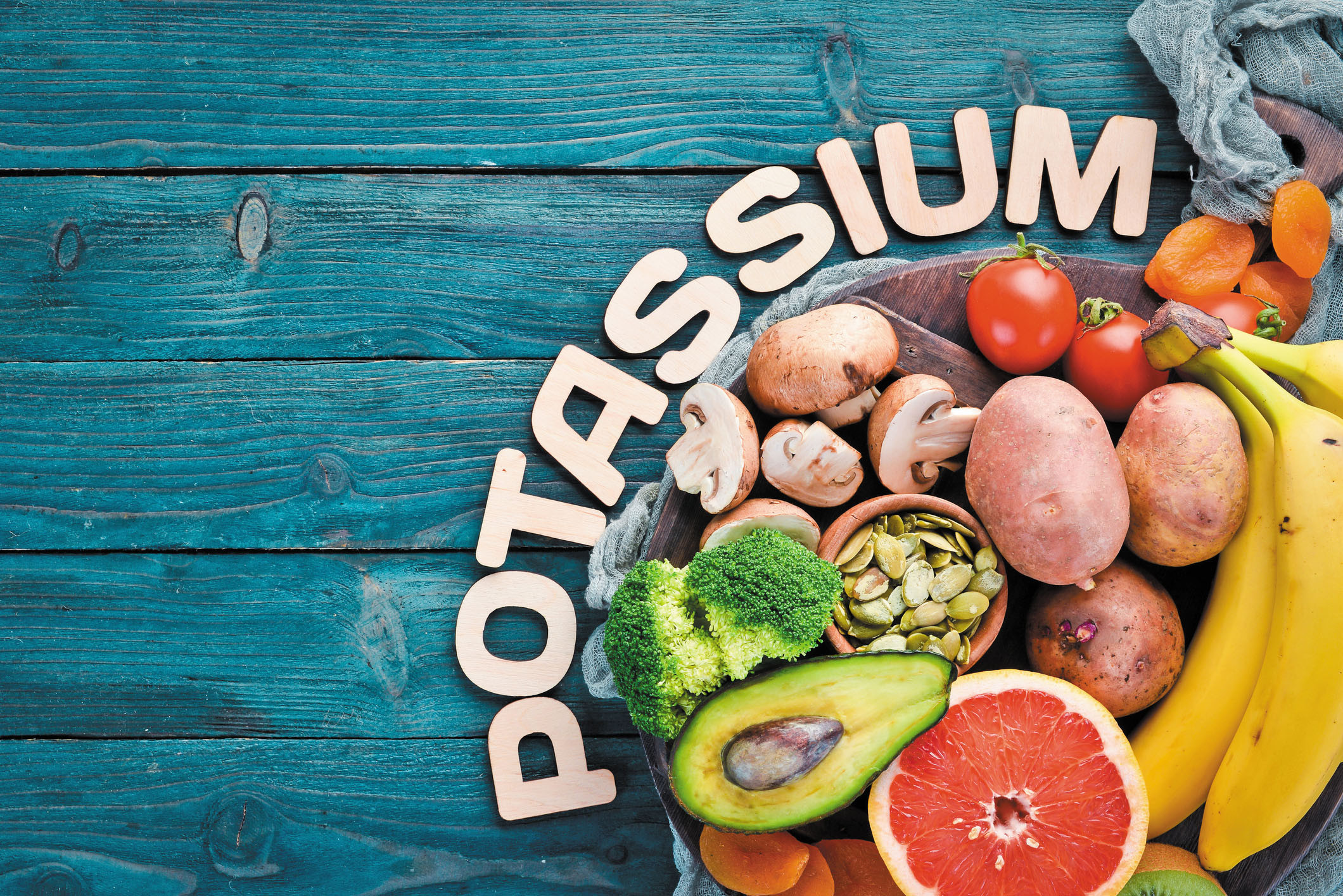
Adding potassium and subtracting sodium may equal better heart health
Consuming less sodium and more potassium may be linked to better heart health, according to a November 2021 study published in the New England Journal of Medicine. After controlling for other risk factors, the researchers found that for every extra 1,000 milligrams (mg) of sodium detected in the urine, there was an 18% increase in the risk of cardiovascular disease. For every extra 1,000 mg of potassium in the urine, there was an 18% decrease in risk.

Can dehydration cause headaches?
Some people are much more prone than others to headaches related to dehydration. People who are more susceptible can avoid the headaches by making sure they drink enough fluids daily.
Naturally gluten-free foods
Harvard study: Healthier fats linked to longer life after prostate cancer diagnosis
Shingrix shingles vaccine linked with lower heart disease risks
Estrogen-only hormone therapy tied to lower dementia risk
Should you have a hysterectomy?
Stair climbing may significantly lower cardiovascular risks
Why do I sweat so much?
Walking pneumonia: The "mild" illness that can still pack a punch
What causes knee pain: How doctors make a diagnosis
Where you carry excess weight matters in predicting heart disease risk
Free Healthbeat Signup
Get the latest in health news delivered to your inbox!
Sign Up
