

CoQ10: Should you take this popular supplement if you're on a statin?

Microplastics: A hidden health threat?

Oat vs. dairy milk: Nutrition, benefits, and downsides

What is tempeh? Benefits, nutrition, and how to use it

Healing after food poisoning

Children of centenarians may stay healthier and live longer too, study finds

Light exposure at night may raise risk for heart disease

Whole grains may improve several heart risk factors at once

A lumbar belt may help ease low back pain

Signs of pneumonia: Sometimes vague and unexpected
Blood Pressure Archive
Articles
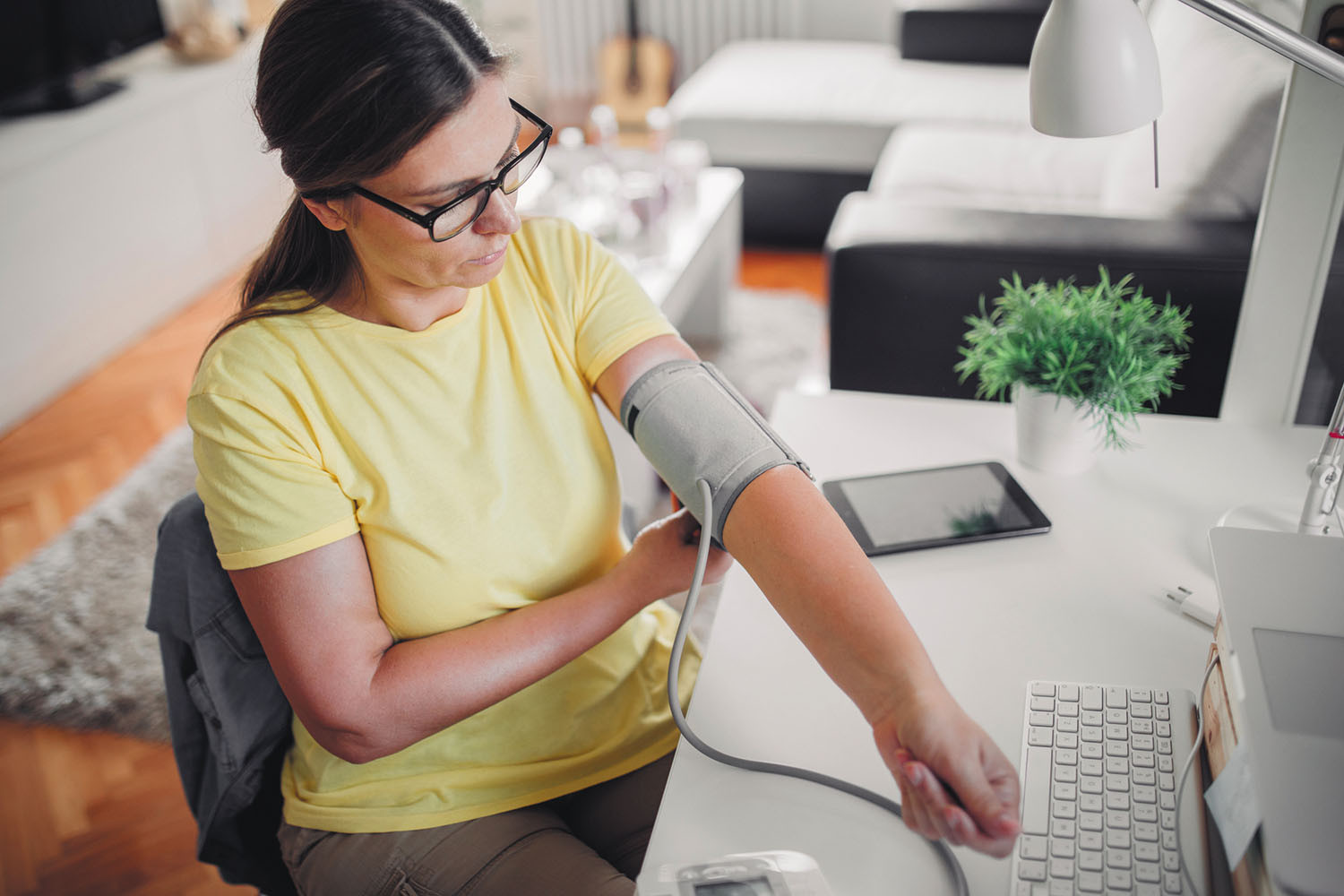
Blood pressure treatment might protect your brain
Research we're watching
Image: © mixetto/Getty Images
Aggressively treating high blood pressure might help ward off cognitive changes, according to findings presented at the Alzheimer's Association International Conference in July. Researchers from the Systolic Blood Pressure Intervention Trial compared two strategies to manage high blood pressure in more than 9,300 older adults (average age about 68). One strategy aims to achieve the standard treatment level for high systolic blood pressure (the first number in a blood pressure reading), keeping it under 140 mm Hg. The more aggressive strategy sets a goal of less than 120 mm Hg. The aggressive strategy reduced not only heart risks, but seemed to protect the brain.
People in the more aggressively controlled blood pressure group were 19% less likely than those in the standard treatment group to develop new cases of mild cognitive impairment (often a forerunner to dementia). They were also 15% less likely to develop any form of dementia or mild cognitive impairment. This study provides another reason to work with your doctor to reduce high blood pressure.


Depression risks in the medicine cabinet
News briefs
Are you taking a medication that has depression or suicidal thinking as a potential side effect? One or both risks have been linked to use of more than 200 prescription and over-the-counter pills, including medicines that treat high blood pressure, heartburn, pain, and headaches. The more of these drugs you use, the higher the likelihood that you'll experience depression, suggests a study published June 12, 2018, in The Journal of the American Medical Association. Working with five surveys conducted over a nine-year period, researchers evaluated health information from 26,192 adults. About 37% of them reported taking such medications. Of individuals taking three or more of the medications with depression as a possible side effect, about 15% reported depression, compared with about 5% in people not using those medications. Even for people already taking an antidepressant, the addition of one or more of the identified medicines was linked to higher rates of depression. This study was based on surveys, so it didn't prove that the medications caused the reported depression. Nonetheless, if you think you're depressed (and have symptoms such as apathy, hopelessness, changes in sleep or eating habits, and persistent fatigue), ask your doctor if any of the medicines you are taking may be responsible.
Image: © Tero Vesalainen | GettyImages

Virtual visits and high blood pressure
News briefs
If your doctor offers a way to monitor your chronic health condition via computer, consider giving it a try. A Harvard study that was published online April 23, 2018, by the Journal of General Internal Medicine found that people who had "virtual" office visits over the Internet were able to control their blood pressure just as well as people who had in-person follow-up office visits — and they used fewer health care services over all. Researchers compared the health outcomes of two groups. One group included about 900 people with high blood pressure who had in-office follow-up visits. The other group included about 900 people who had "virtual" follow-up visits, which meant they used a website to enter blood pressure readings, track their medications and side effects, and ask questions; their doctors determined whether to follow up by computer or phone or to schedule in an in-office visit. Over the course of six months, blood pressures improved for people in both groups. But people in the virtual care group averaged about one fewer office visit than people in the other group, and they had fewer emergency room visits and hospitalizations over all. The authors say the results support using virtual follow-up visits for other chronic diseases. Indeed, many health care providers already are doing so, including one group in the study — Massachusetts General Hospital, which uses virtual care to follow 65 different kinds of chronic disease.
Image: © AndreyPopov | GettyImages
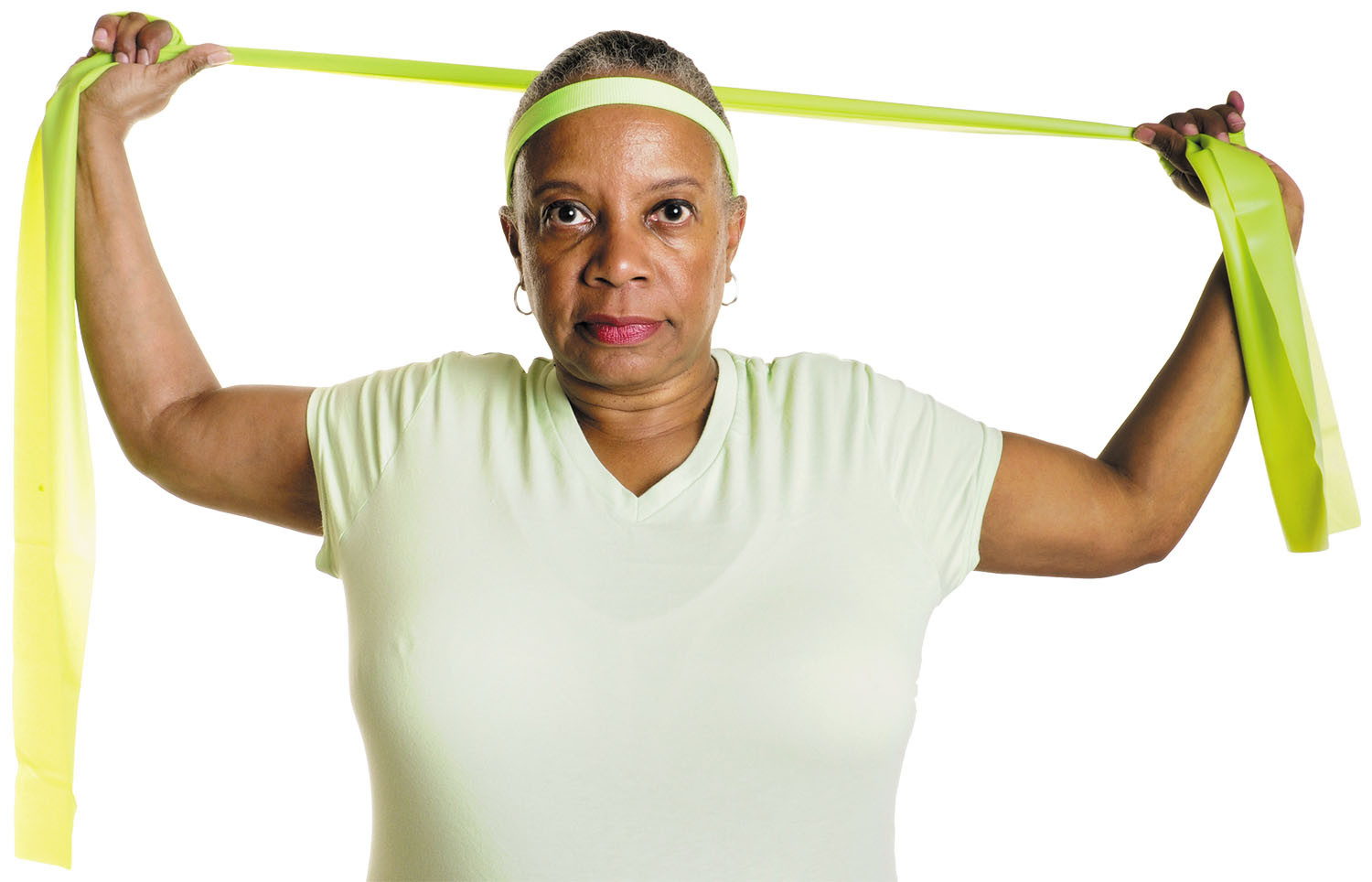
Push past your resistance to strength training
Using stretchy bands to build muscle can be an easy and effective way to burn more calories and boost your heart health.
Image: © EMPPhotography/Getty Images
Most people know that brisk walking and other movement that gets your heart beating faster is great for your cardiovascular health. But even health-conscious folks often overlook another key fitness recommendation: doing muscle-strengthening exercises at least twice a week.
Not crazy about the idea of going to a gym and hoisting heavy weights? There's no need to do so. You can work your muscles with stretchy bands (called resistance or exercise bands) at home. In fact, if you're out of shape or overweight, a simple resistance band workout can be a good way to ease into exercise, says Dr. Edward Phillips, assistant professor of physical medicine and rehabilitation at Harvard Medical School.
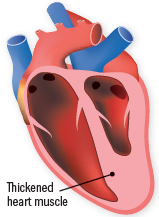
What is cardiomyopathy?
Ask the doctor
Q. A friend was just diagnosed with cardiomyopathy. What causes this problem, and what is the prognosis?
A. In simple terms, cardiomyopathy refers to abnormal heart muscle. Some cases are mild and require no treatment. But in other cases, the condition causes severe symptoms (such as breathing difficulty and leg swelling) and leads to serious complications. Cardiomyopathy is one of many possible causes of heart failure, which happens when the heart is unable to pump well enough to meet the body's need for oxygen-carrying blood.

Seafood suggestions for heart health
Experts recommend one or two servings of fish per week. But healthy vegetarian meals are a good alternative.
Image: © amriphoto/Getty Images
Eating fatty fish such as salmon, tuna, or mackerel at least once a week may help prevent heart attacks and other serious cardiovascular problems. That's according to a recent scientific advisory from the American Heart Association, which reaffirms a long-held observation about the health benefits of seafood.
You'll potentially reel in the biggest benefit if you replace less healthy foods — such as red meat or processed meats — with seafood entrees. For example, choose salmon over steak, and swap the ham on your sandwich for tuna.
A possible culprit in early heart attacks
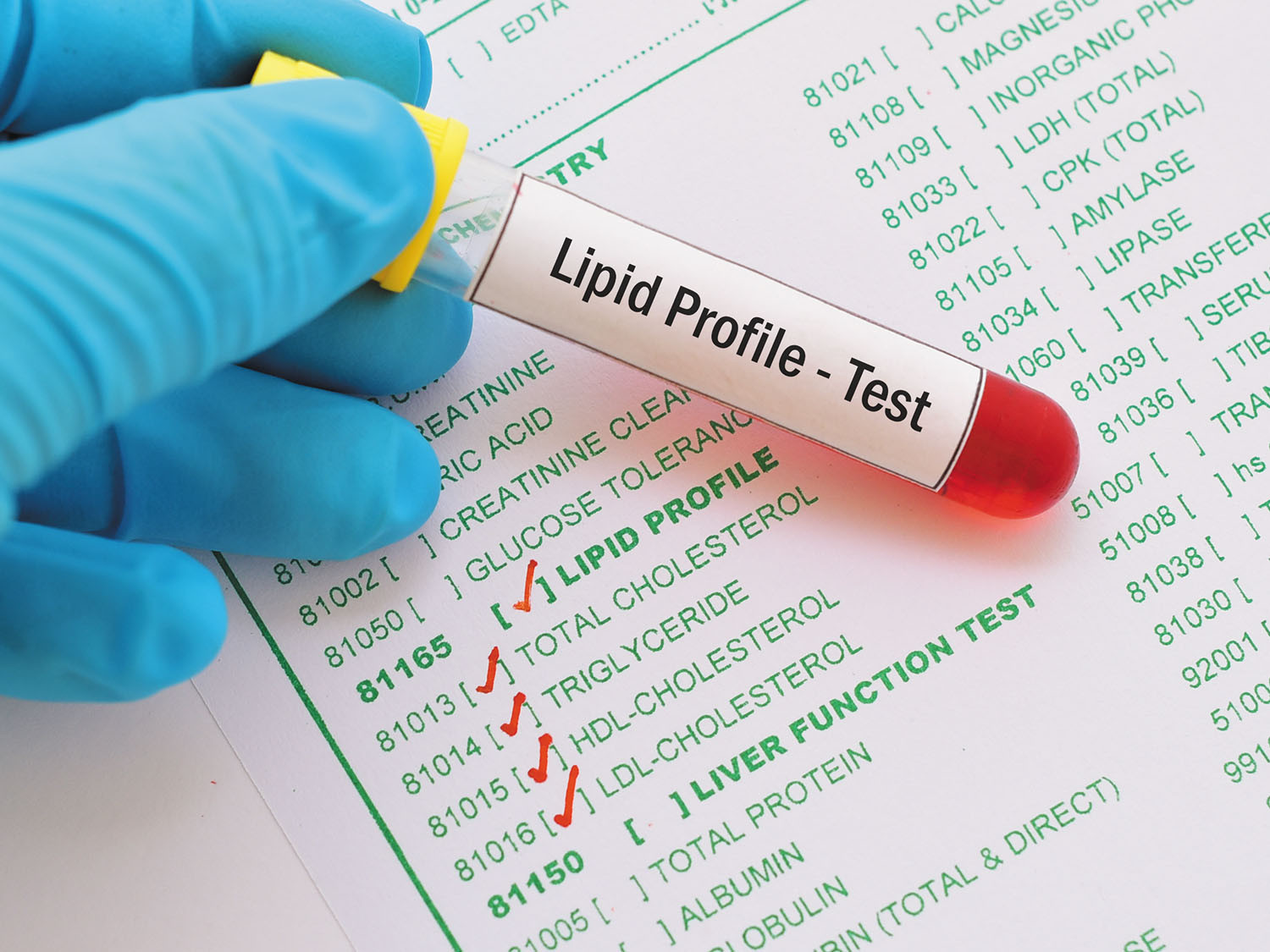
High blood levels of a fatty particle called lipoprotein(a) may explain some unexpected premature heart attacks.
Image: © jarun011/Getty Images
Have you ever heard of a middle-aged man who was in great shape, never smoked, had a normal cholesterol level, but still had a heart attack? Many people either know someone who fits that profile or have read about Bob Harper, the celebrity fitness trainer from the TV show The Biggest Loser, who had a heart attack last year at age 52.
For Harper, the culprit apparently was an abnormally high level of lipoprotein(a). Also known as Lp(a), it's a variant of the familiar "bad" LDL cholesterol (see "Cholesterol 101: Lipoprotein basics"). Lp(a) particles are LDL with an extra protein attached.

Predicting heart disease: The sex factor
Several sex-specific issues may foretell a higher risk of cardiovascular problems in women and men.
Image: © bowdenimages/Getty Images
You probably know the key health indicators that pose a danger to your heart, such as high cholesterol and elevated blood pressure. But many people are not aware of the sex-specific conditions that may serve as early warning signals for heart disease.
For women, these include problems that sometimes occur during pregnancy, as well as other diseases that are more prevalent in females (see "Female-focused cardiac risks"). For men, it's a relatively common problem that's less commonly discussed: erectile dysfunction.
CoQ10: Should you take this popular supplement if you're on a statin?
Microplastics: A hidden health threat?
Oat vs. dairy milk: Nutrition, benefits, and downsides
What is tempeh? Benefits, nutrition, and how to use it
Healing after food poisoning
Children of centenarians may stay healthier and live longer too, study finds
Light exposure at night may raise risk for heart disease
Whole grains may improve several heart risk factors at once
A lumbar belt may help ease low back pain
Signs of pneumonia: Sometimes vague and unexpected
Free Healthbeat Signup
Get the latest in health news delivered to your inbox!
Sign Up
