

CoQ10: Should you take this popular supplement if you're on a statin?

Microplastics: A hidden health threat?

Oat vs. dairy milk: Nutrition, benefits, and downsides

What is tempeh? Benefits, nutrition, and how to use it

Healing after food poisoning

Children of centenarians may stay healthier and live longer too, study finds

Light exposure at night may raise risk for heart disease

Whole grains may improve several heart risk factors at once

A lumbar belt may help ease low back pain

Signs of pneumonia: Sometimes vague and unexpected
Blood Pressure Archive
Articles
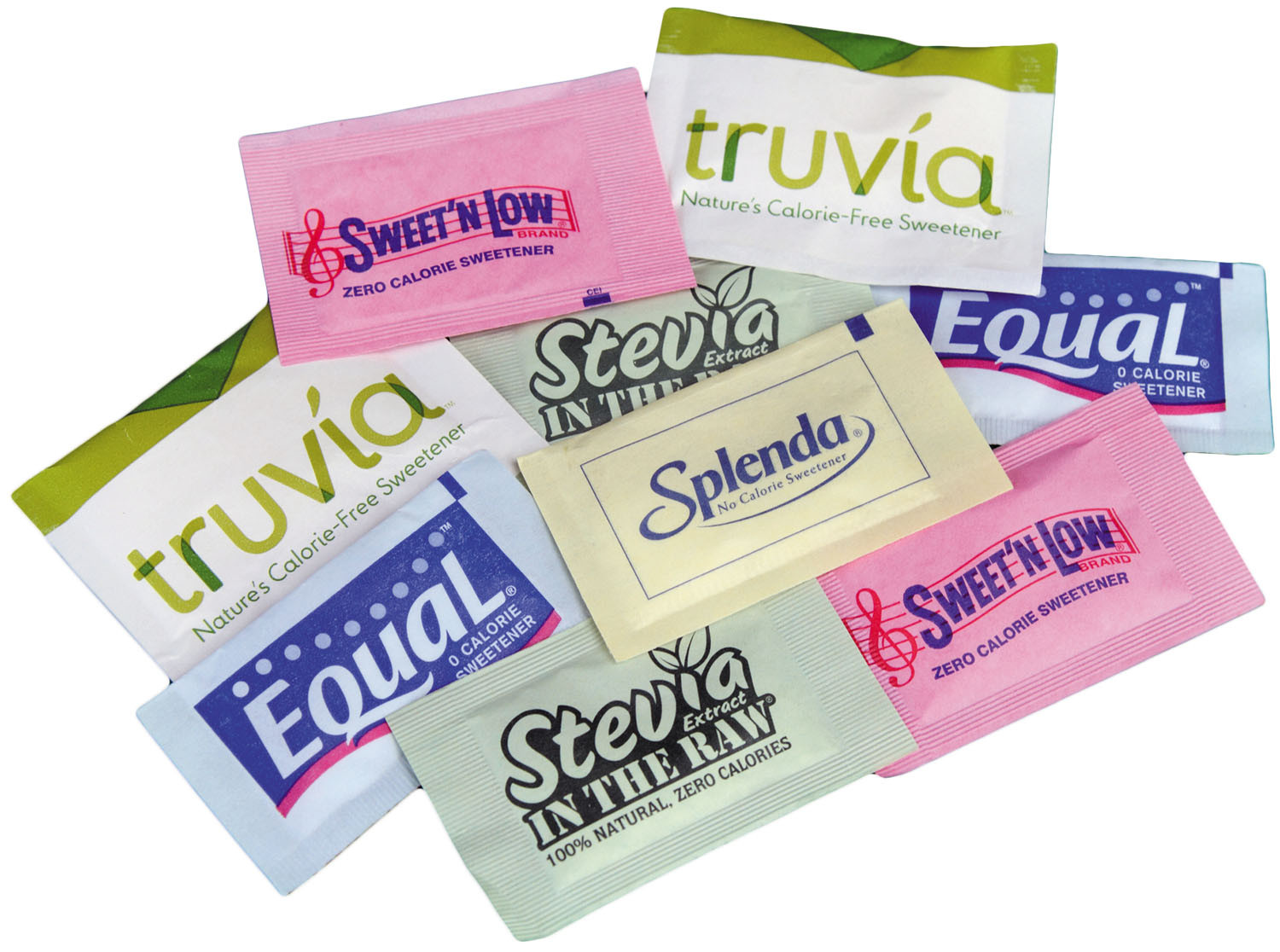
The lowdown on low-calorie sweeteners
If you're addicted to sweet, bubbly beverages, diet sodas are a better choice than sugary ones. But try switching to healthier options.
Image: © NoDerog/Getty Images
Despite the abundance of added sugar in America's food supply, our love affair with sugary drinks has been waning over the past decade or so.
"In adults, we've seen a 25% drop in the consumption of sugar-sweetened beverages, and I think this trend will continue, given the heightened awareness of the harmful effects of excess sugar," says Dr. Frank Hu, chair of the Department of Nutrition at the Harvard T.H. Chan School of Public Health. Sugary drinks (such as sodas, sports drinks, and lemonade) are the biggest source of added sugar in the American diet and are widely considered to be among the main drivers of the obesity epidemic. A high-sugar diet also has been linked to increasing rates of high blood pressure, high cholesterol, and diabetes, all of which contribute to heart disease.

Understanding ejection fraction
Ask the doctor
Q. My doctor wants to measure my ejection fraction. What does that mean, and what should I expect?
A. With every heartbeat, your heart contracts and relaxes. During the contraction, the heart's main pumping chamber, the left ventricle, ejects blood out to the rest of the body. When your heart relaxes, the ventricle refills with blood. The ejection fraction is the percentage of blood leaving the chamber each time it contracts.

Strategies for sleep apnea
Treating sleep apnea — a condition closely linked to cardiovascular problems — can be challenging.
Image: © nebari/Getty Images
Loud, explosive snoring is a hallmark of obstructive sleep apnea, which affects up to 25% of men and 10% of women. This nighttime breathing problem often disrupts sleep, leaving people tired and irritable during the day. But sleep apnea also can boost blood pressure and may increase the risk of clogged heart arteries, heart rhythm disorders, heart failure, and stroke.
The gold standard treatment, called positive airway pressure or PAP — which uses a bedside machine that provides a stream of air through a face mask — is very effective. But it's a tough sell for many people, who find the device challenging to use consistently. Because of difficulty tolerating the device, some people don't use their PAP machine every single night, while others remove it halfway through the night. However, troubleshooting some common issues with PAP may help (see "Tips for using a PAP machine").
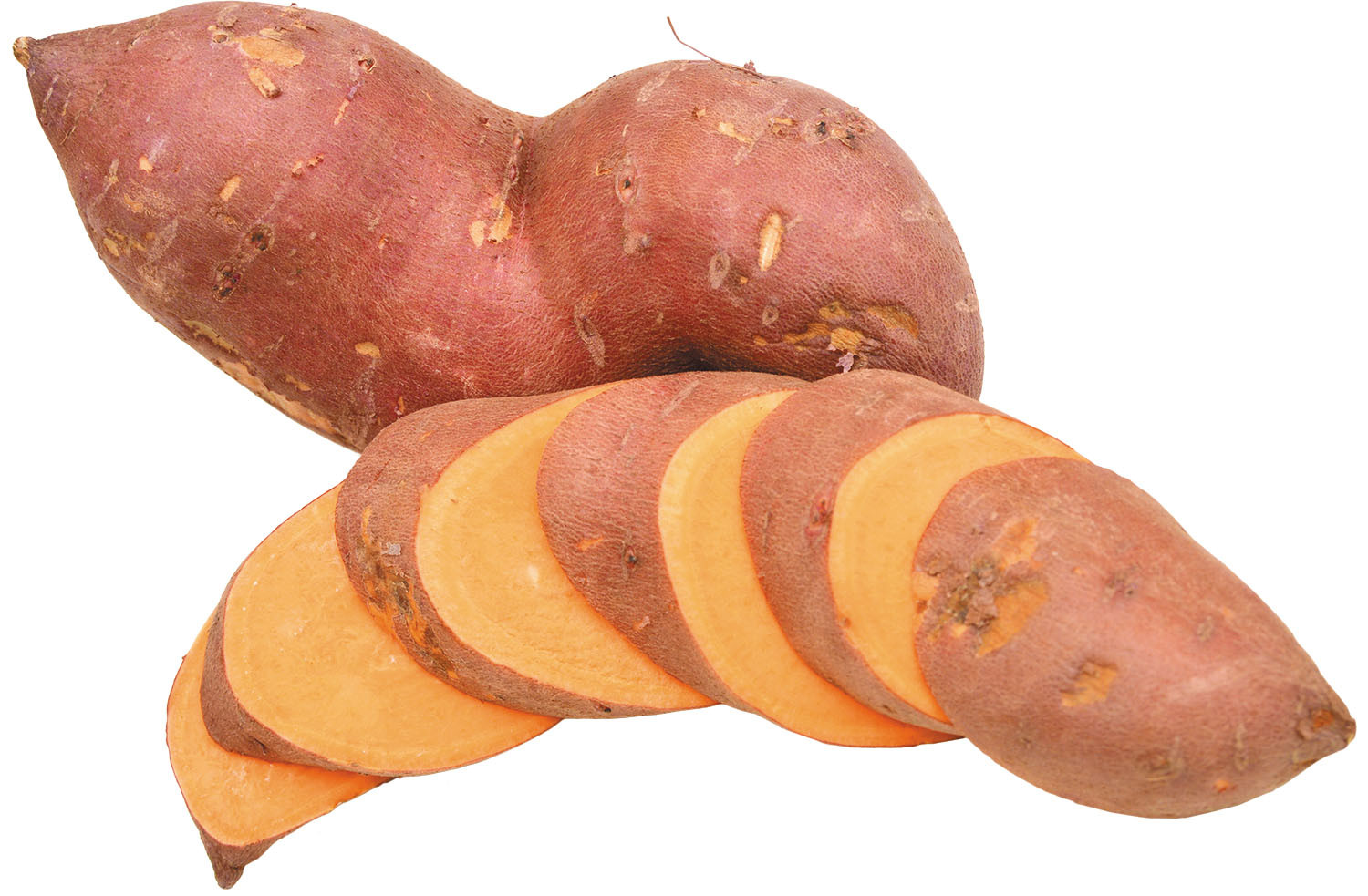
Vegetable of the month: Sweet potatoes
Image: © HONG VO/Getty Images
Although people often think of sweet potatoes as a Thanksgiving side dish, these root vegetables are available year-round. They're becoming more popular, too: sweet potato consumption rose by nearly 42% between 2000 and 2016, according to the USDA.
The many varieties of sweet potatoes belong to the morning glory family, Convolvulaceae. The skins range in hue from almost white to dark red, with a few types sporting purple skin. Those unusual varieties may also have lavender or purple flesh. But the most common flesh colors range from white to deep orange.

Detecting afib with a smartphone camera?
Research we're watching
Picture this: One day, you may be able to use your smartphone camera to detect atrial fibrillation. Also known as afib, the irregular heart rhythm raises the risk of stroke. New research suggests that the technique, which relies on a special app, is almost as accurate as an FDA-approved mobile electrocardiogram.
Here's how it works: You place your index finger on the smartphone camera, which uses the camera's light to detect changes in your pulse. The app algorithm then uses that information to determine whether your pulse is steady and regular (normal rhythm) or fast and irregular (afib).

“Prehabilitation” may improve heart surgery recovery
Image: Thinkstock
Research we're watching
After heart surgery, patients often enroll in cardiac rehabilitation, a multiweek program of structured exercise paired with lifestyle and nutrition education. A new review suggests that a similar program done prior to surgery, known as "prehabilitation," may help older, frail people to recover better from heart surgery.
The prehab approach goes by the acronym NEW, which stands for nutritional status, exercise capacity, and worry reduction. Targeting those three factors seems to improve people's physical and psychological readiness for undergoing surgery, according to the article, published in the July Canadian Journal of Cardiology.

Spectator sports: How a high-stakes game may affect your heart
Research we're watching
Image: © FatCamera/Getty Images
Stressful events — even positive ones, such as watching an exciting sporting match — can affect your heart. During World Cup soccer and the National Football League's Super Bowl, rates of heart attacks and heart rhythm problems (arrhythmias) increase, both among sports fans and within the local population. A study published online August 20 by the American Journal of Cardiology takes a closer look at this risk.
Researchers examined data from 133 people with implanted cardiac devices in St. Louis, Mo., during two 10-day periods. The first was in early September of 2011 (the control period). The second was six weeks later during the World Series, when the St. Louis Cardinals played a series of dramatic games against the Texas Rangers.

The age of statins
Healthy older adults ages 75 and older might not benefit from the drugs to protect against cardiovascular disease.
Image: © rogerashford/Getty Images
Cardiovascular disease is the leading cause of death for people ages 75 and over. The cholesterol-lowering statin drugs can help protect against heart attack or stroke, both for people who have already had one and those who are at high risk for one of these events.
But what if you are in this older age bracket and have no history of cardiovascular problems? Do you really need one of these cholesterol-lowering drugs to protect yourself from future heart attacks and strokes?

Weight may determine how much aspirin is needed to prevent heart attacks
In the journals
Image: © sd619/Getty Images
Low-dose aspirin therapy has been shown to help prevent heart attacks, but a study in the Aug. 4, 2018 issue of The Lancet suggests men who weigh more than 154 pounds may need higher doses. Researchers analyzed 10 trials that evaluated daily aspirin therapy for cardiovascular disease prevention in 120,000 men and women. The study participants had no history of heart or vascular disease. The researchers found that low-dose daily aspirin — 75 to 100 mg — was associated with reduced risk for heart attack and stroke among both men and women who weighed less than 154 pounds.
However, there was no significant effect for heavier patients. (About 80% of the men in the study were among this group.) The reason? The researchers speculated that people with more weight also have higher amounts of esterase, an enzyme that reduces how much aspirin is available in the body.
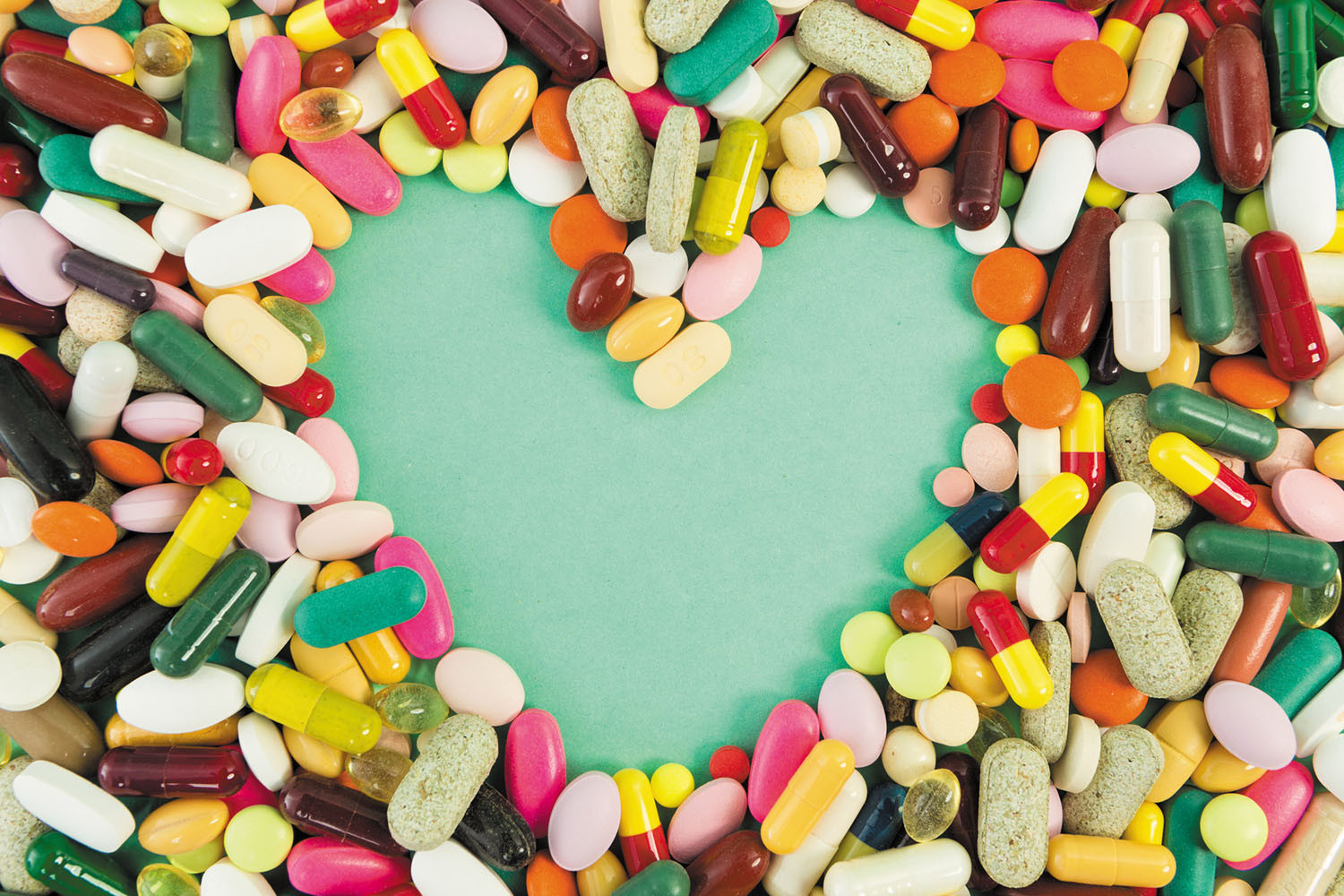
Taking a multivitamin probably won’t help your heart
Vitamins don't seem to reduce cardiovascular risks, according to a new report.
Image: © Thunderstock/Getty Images
There may be reasons to take a multivitamin, but improving your cardiovascular health is not one of them, says a report in the July 10 issue of Circulation: Cardiovascular Quality and Outcomes. The authors found that for the average person, taking a multivitamin supplement didn't help prevent cardiovascular problems, such as heart attacks and strokes.
The findings were based on a review of general population studies conducted from 1970 to 2016, involving more than two million people. Researchers looked for associations between multivitamin supplementation and cardiovascular outcomes. But they weren't able to find any links.
CoQ10: Should you take this popular supplement if you're on a statin?
Microplastics: A hidden health threat?
Oat vs. dairy milk: Nutrition, benefits, and downsides
What is tempeh? Benefits, nutrition, and how to use it
Healing after food poisoning
Children of centenarians may stay healthier and live longer too, study finds
Light exposure at night may raise risk for heart disease
Whole grains may improve several heart risk factors at once
A lumbar belt may help ease low back pain
Signs of pneumonia: Sometimes vague and unexpected
Free Healthbeat Signup
Get the latest in health news delivered to your inbox!
Sign Up
