

Estrogen-only hormone therapy tied to lower dementia risk

Should you have a hysterectomy?

Stair climbing may significantly lower cardiovascular risks

Why do I sweat so much?

Walking pneumonia: The "mild" illness that can still pack a punch

Tai chi walking: What is it and does it work?

What causes knee pain: How doctors make a diagnosis
Sacroiliac joint pain: Causes, symptoms, and exercises that help

Where you carry excess weight matters in predicting heart disease risk

Study: At-home colorectal cancer screening may significantly cut colon cancer deaths
Balance Archive
Articles
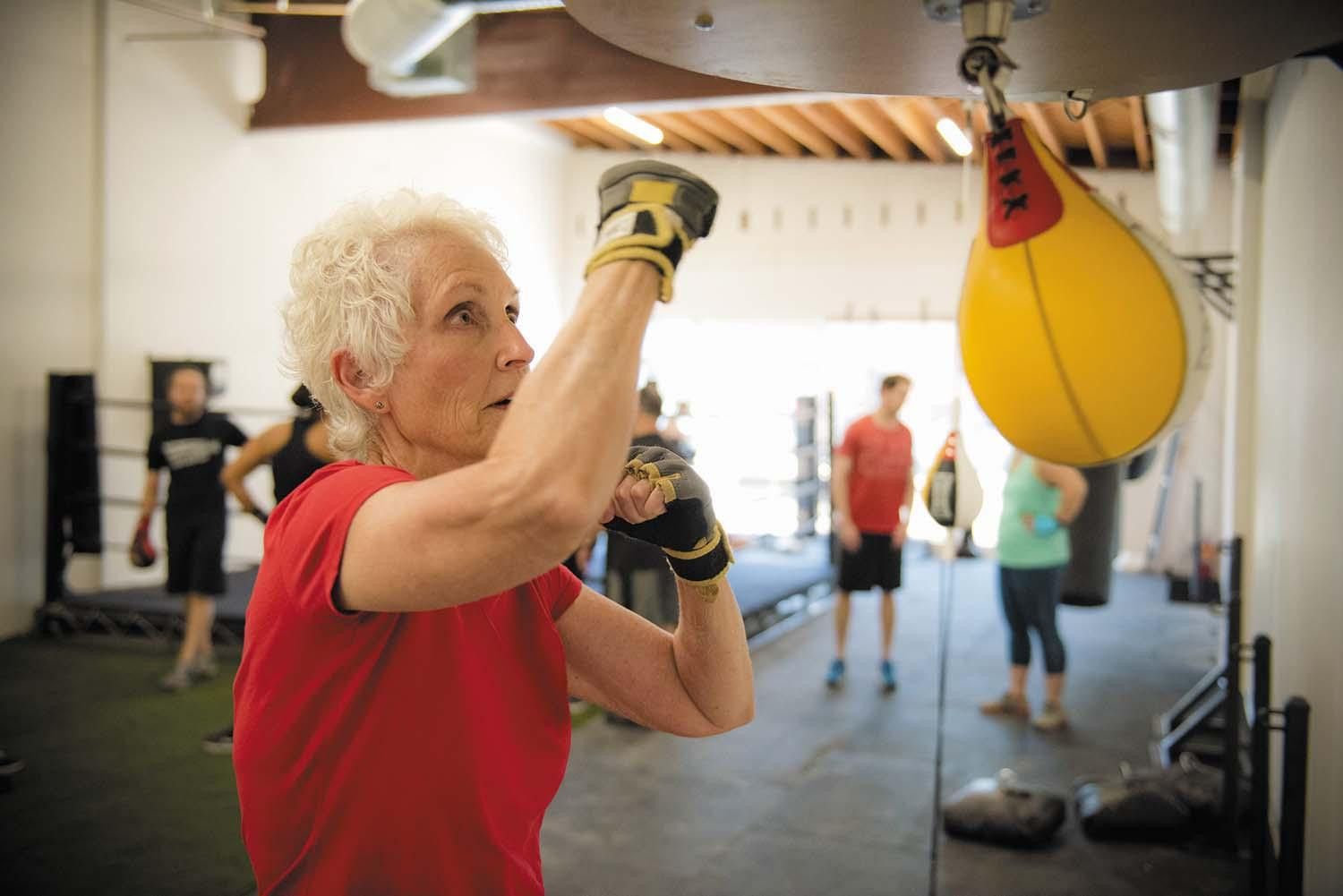
The heartfelt effects of exercise
Exercise is one of the most powerful tools for preventing heart disease and extending life. Physical activity triggers favorable changes such as making cells more sensitive to insulin and reducing inflammation. It also helps keep blood vessels supple and flexible (which supports efficient blood flow), strengthens muscles (which helps burn more calories), and remodels the heart, making it more efficient at pumping blood through the body. Together, these changes all reduce a person's chances of developing common risk factors for heart disease, including diabetes, high blood pressure, high cholesterol, and obesity.

Fitness apps may provide long-term motivation to stay active
A 2025 study found that many people who use a fitness app to track their daily steps were able to maintain or increase their numbers over two years, suggesting the devices may have a long-term effect on motivation.
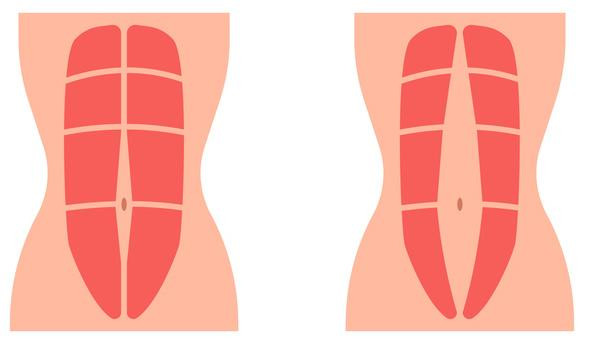
Battle of the bulge
Diastasis recti occurs when the rectus abdominis muscle - the "six-pack" - separates and leads to a midline abdominal bulge. This might happen because of pregnancy, aging, genetics, excessive abdominal pressure, or abdominal surgery. The bulge becomes more noticeable when lifting heavy objects, getting out of bed, or even performing everyday tasks. The condition usually doesn't resolve on its own. Working with a physical therapist can help decrease the muscle separation.
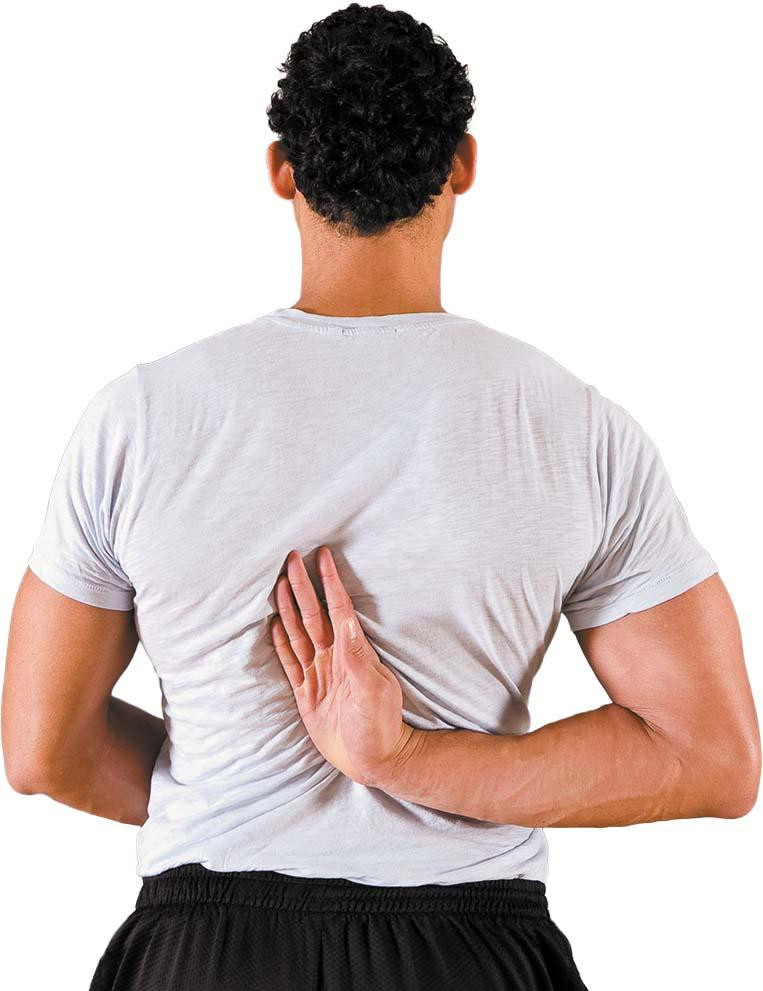
A quick shoulder workout you can do at home
Aging often leads to a loss of shoulder strength and motion, especially the ability to reach up and lift objects overhead. The best way to protect the shoulders is to stretch them daily and strengthen them every other day. Exercises can be done consecutively in a single workout or individually throughout the day. It's best to do a warm-up before engaging in any shoulder exercises. A warm-up can be as simple as marching in place for a few minutes while gently moving the arms up and down.
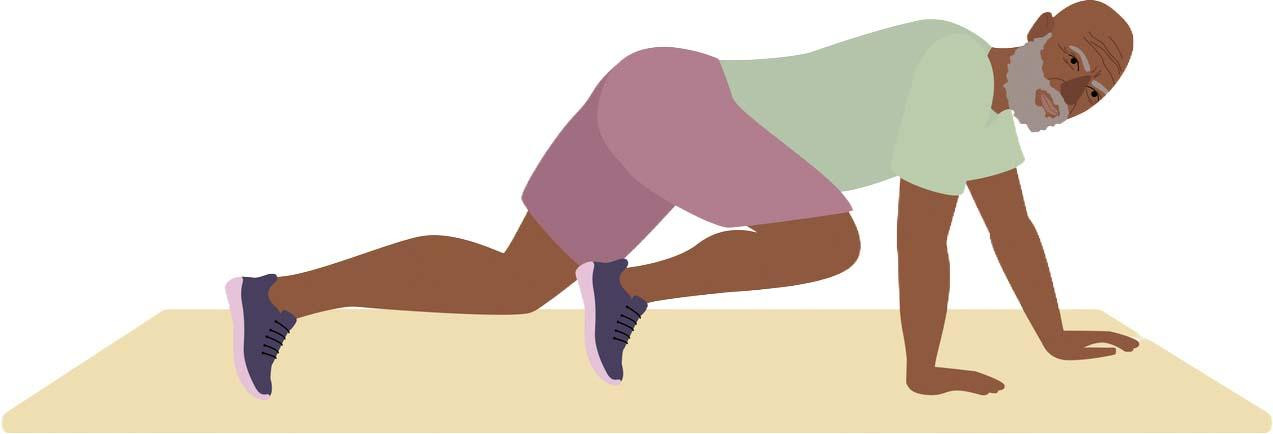
Try this: Bear crawl
The bear crawl is a body-weight exercise that consists of moving along the ground using only the hands and feet. The move is a fun way to strengthen core muscles and improve mobility, coordination, and balance.
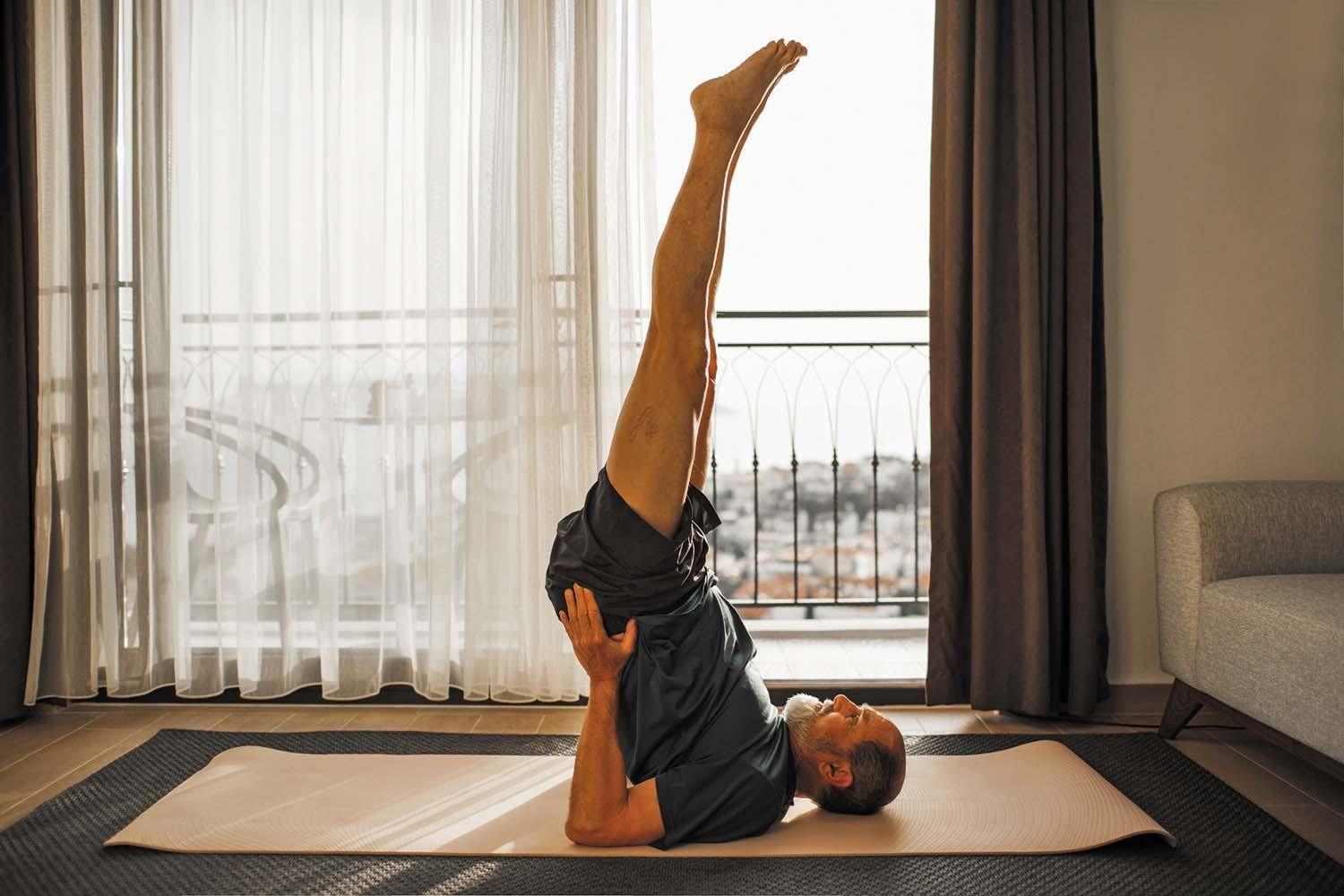
Yoga, tai chi, walking, and running may help with insomnia
Research suggests that exercise is beneficial in managing insomnia, but current guidelines don't specify which types may be most effective. A 2025 study found that yoga, tai chi, walking, and running were associated with reduced symptoms of insomnia.

What the sitting-rising test says about your health
The sitting-rising test gauges how easily people can rise to their feet from sitting on the floor, using as little support as possible. A 2025 study suggested the test may help predict someone's longevity. People who scored the lowest were nearly four times more likely to die of natural causes and six times more likely to die of cardiovascular causes than participants who scored a perfect 10 on the test. The movement requires strength, coordination, balance, and flexibility. These components of fitness tend to drop off more precipitously in women as we age.
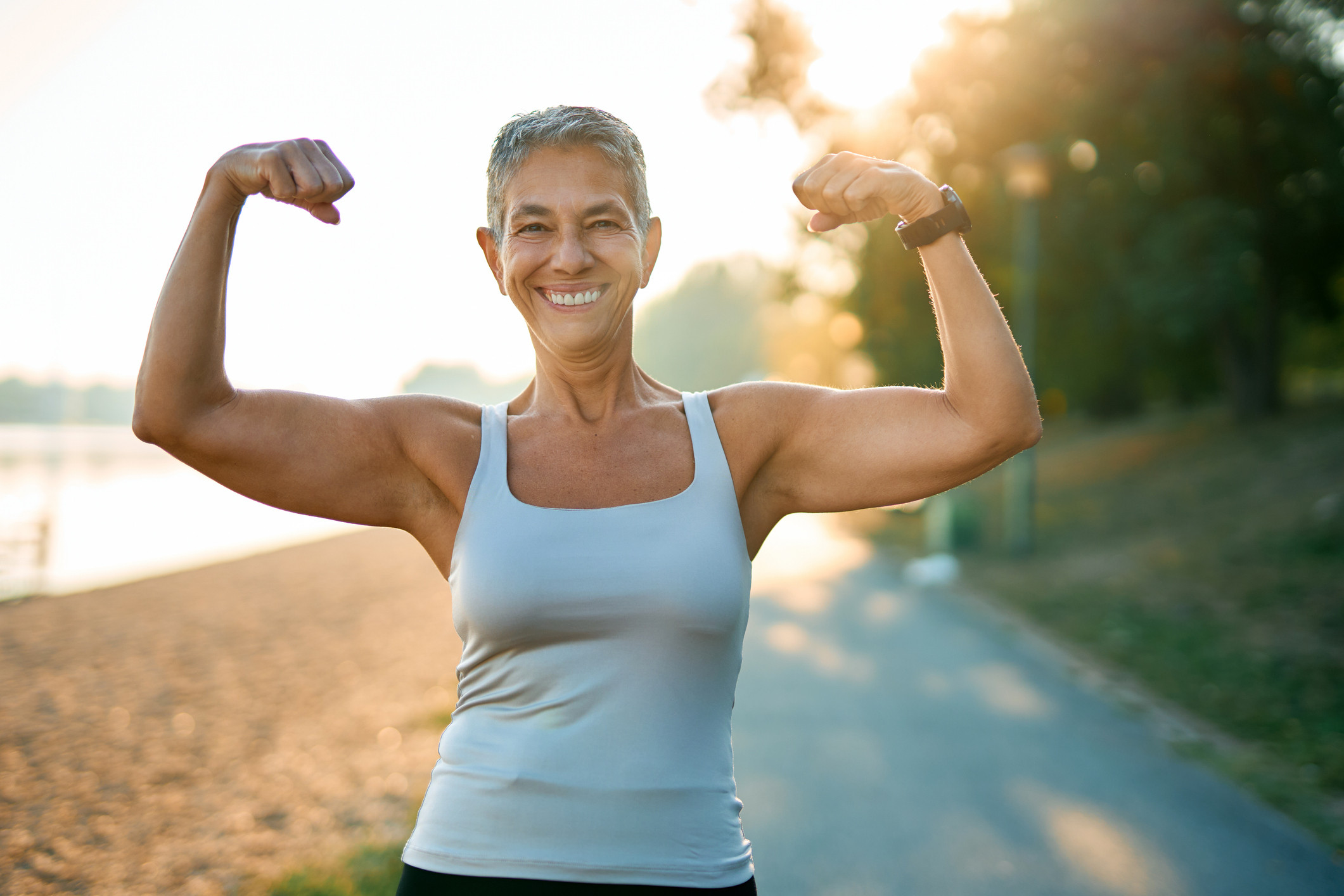
A brief fitness test may predict how long you'll live
In a 2025 study, middle-aged and older people who could do the sit-to-rise test without support were less likely to die (especially of cardiovascular disease) within the following decade. The test is a good way to assess strength, flexibility, and balance-all of which are all vital for helping people to stay active and functioning well as they grow older.
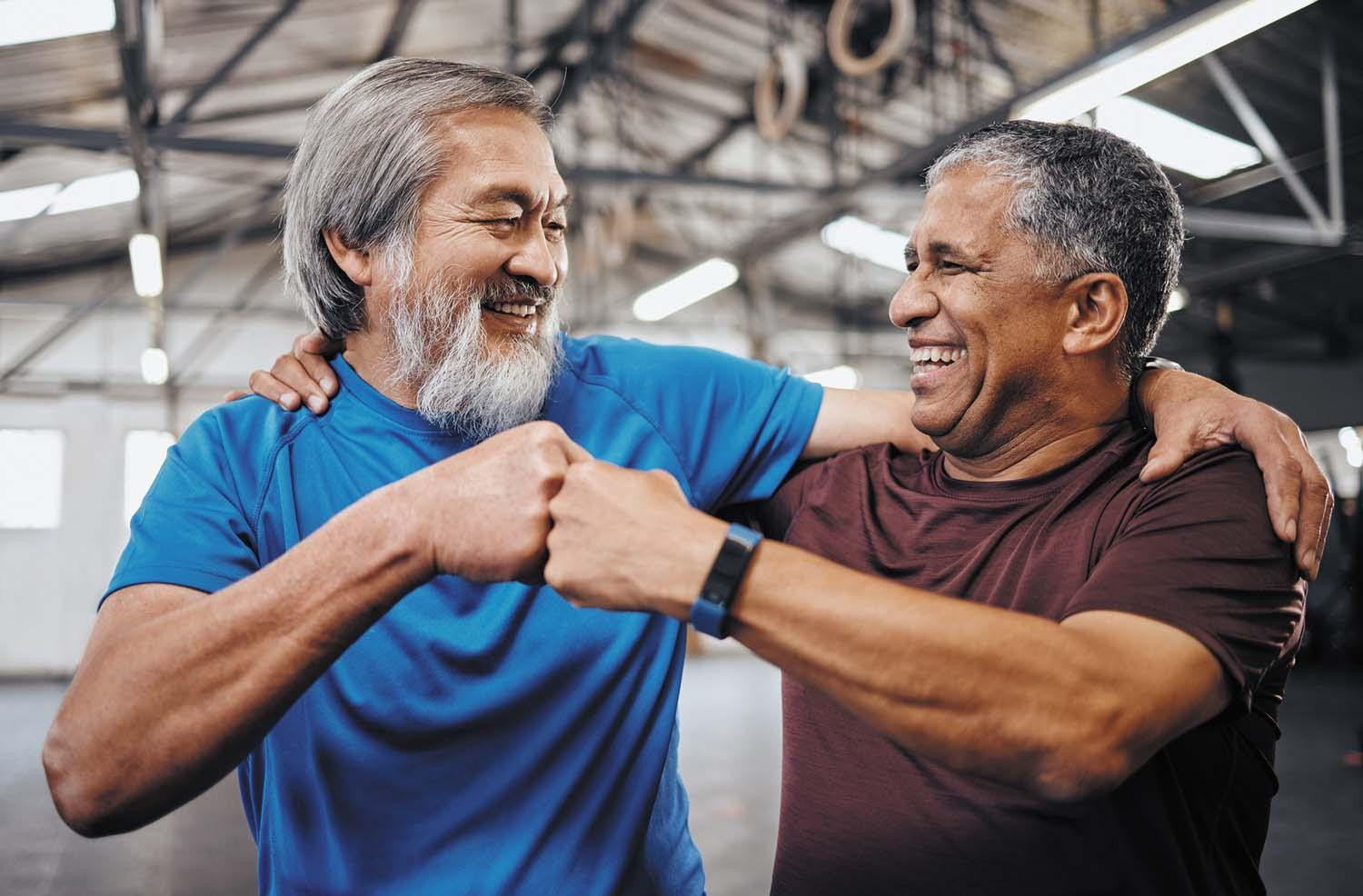
What can you do to maintain exercise motivation?
Approximately 50% of people who begin an exercise program quit within the first six months, according to some estimates. Declining motivation is usually the main reason, but there are ways that people can approach their fitness to help them stay focused and committed. These include recognizing the value of staying healthy, enlisting a workout buddy, adopting specific exercises to reach individual goals, matching workouts to their personality, and finding inspirational figures.

Timing and consistency of activity linked to better fitness
A 2025 study found that exercising earlier in the day (before 1 p.m.) offered more benefits like better lung and heart health and walking efficiency compared with exercising later in the day (after 4 p.m.).
Estrogen-only hormone therapy tied to lower dementia risk
Should you have a hysterectomy?
Stair climbing may significantly lower cardiovascular risks
Why do I sweat so much?
Walking pneumonia: The "mild" illness that can still pack a punch
Tai chi walking: What is it and does it work?
What causes knee pain: How doctors make a diagnosis
Sacroiliac joint pain: Causes, symptoms, and exercises that help
Where you carry excess weight matters in predicting heart disease risk
Study: At-home colorectal cancer screening may significantly cut colon cancer deaths
Free Healthbeat Signup
Get the latest in health news delivered to your inbox!
Sign Up
